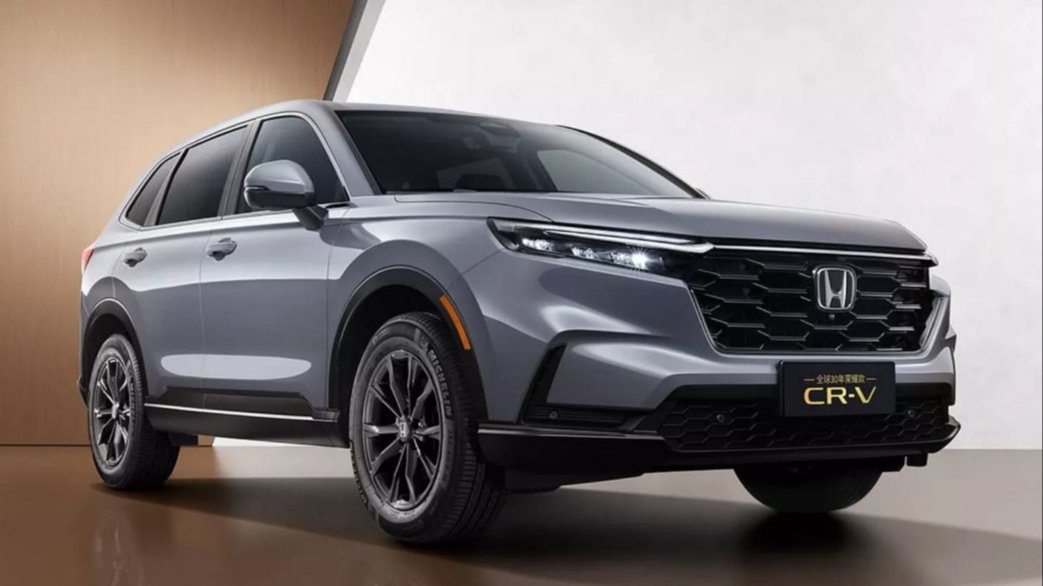
Honestly, every time I see an automaker doing "region-exclusive" models, I get both annoyed and amused.
Especially us consumers here—it always feels like we're doing multiple-choice questions, and someone else has already picked the questions. How do you put up with that?
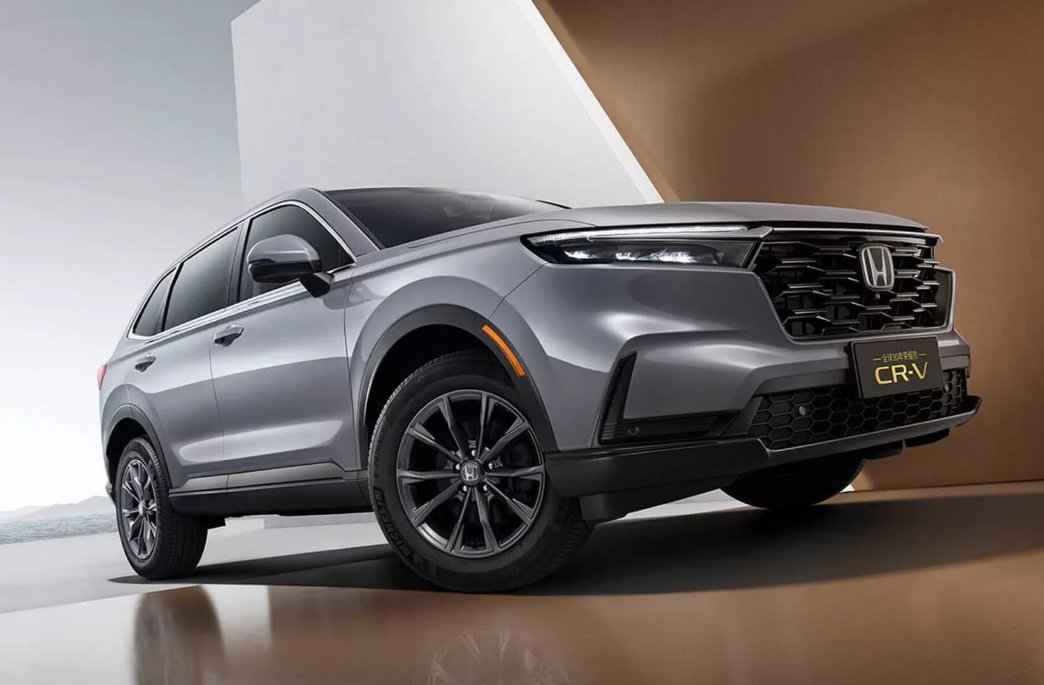
Recently, Honda has been giving me a hard time, and I don't even know what to say.
Folks back home might not know this, but the CR-V you can buy in the US seems like it's not the same thing as the one we get in China.
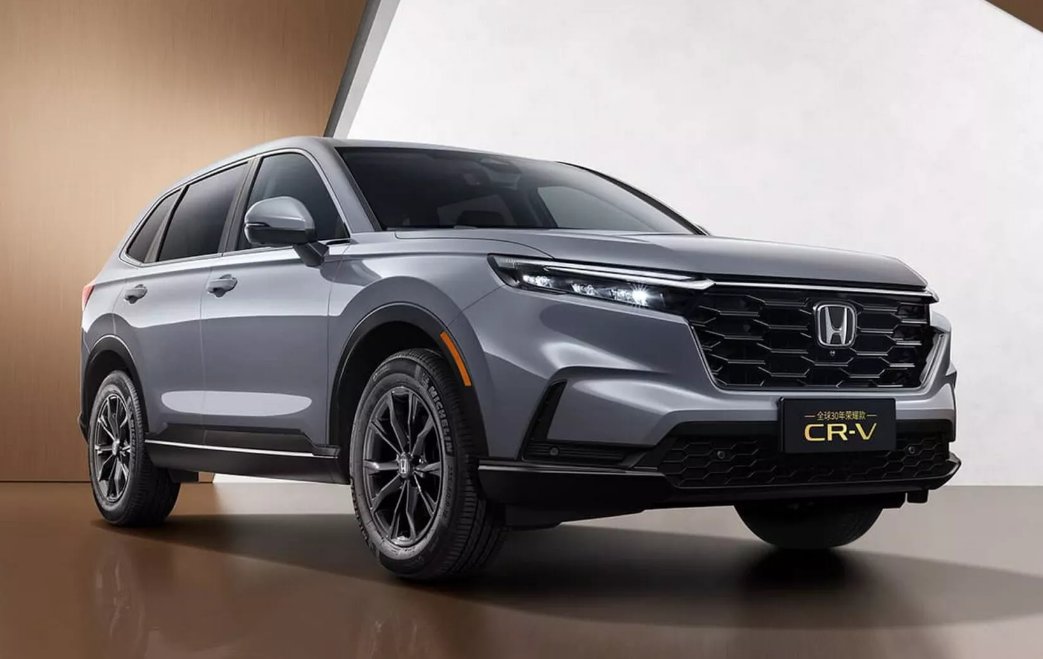
I'm not talking about the exterior or interior—the stuff you can see. I'm talking about the heart, the powertrain.
Here in the US, the CR-V hybrid sells pretty well—204 horsepower, and the official combined fuel economy is up to 40 MPG, which converts to about 5.8 liters per 100 kilometers.
In real-world driving, well, everyone knows how it goes—especially with more highway miles, the fuel economy is just about that.
As for the price, the hybrid entry-level Sport Hybrid is around $35,000.
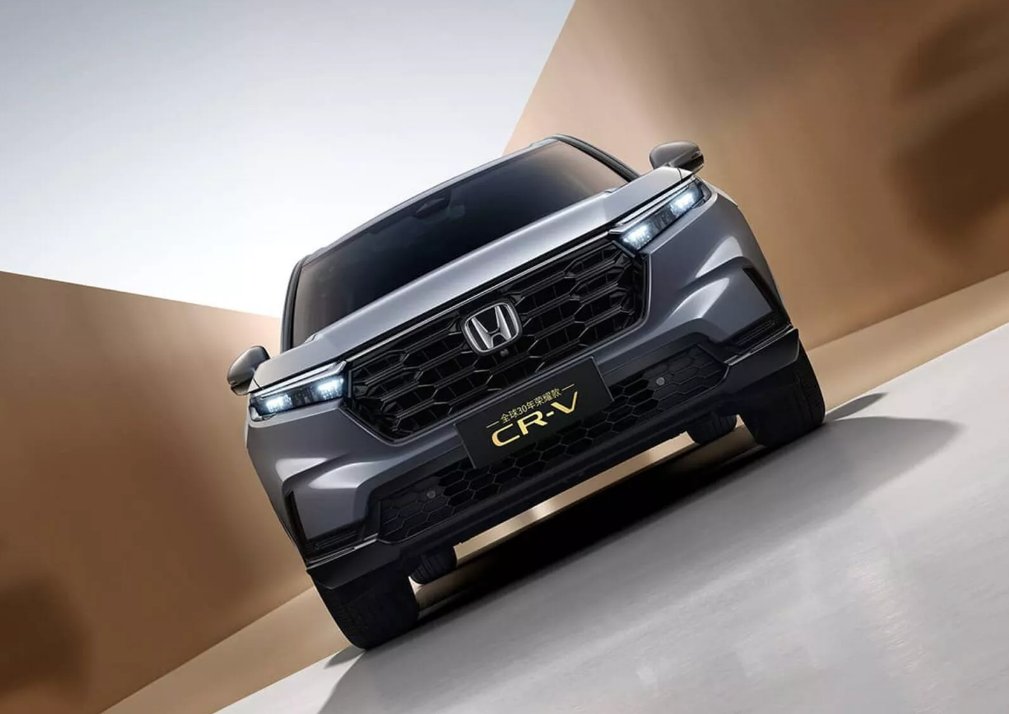
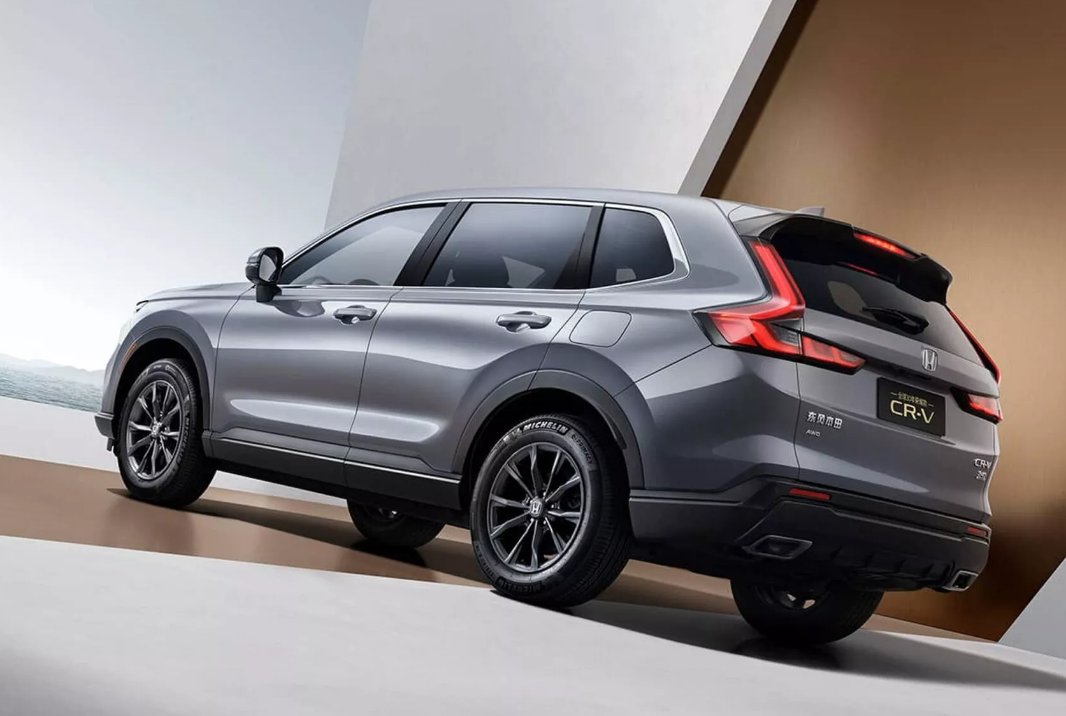
Not bad, right? But the problem is, I saw the "other family's kid"—China's CR-V e:PHEV, the plug-in hybrid version.
Now this thing is interesting.
It uses a 2.0L engine plus an electric motor combo, with a total of 181 horsepower—looks a bit lower than the US hybrid.
But here's the key point—it has a decent-sized battery that can run over 70 kilometers on pure electricity.
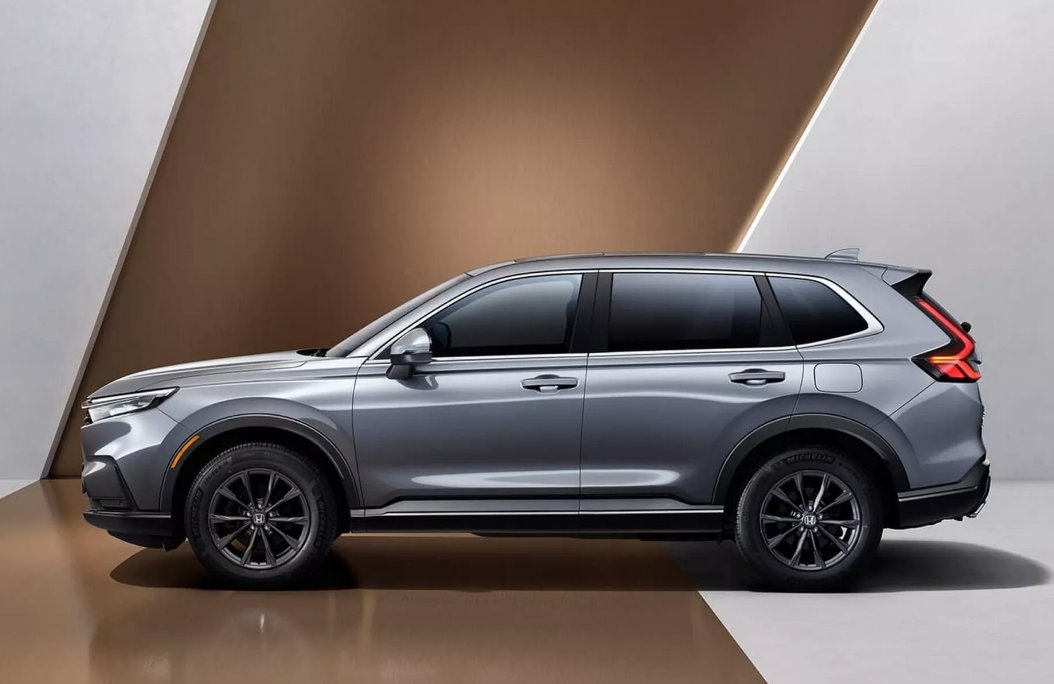
What does 70-plus kilometers of pure electric range mean?
It means if you can charge at home and your daily commute falls within that range, you can totally drive it like an EV—you might not visit a gas station even once a month.
That's way better than the hybrids we get here, which can only use electricity at startup and low speeds.
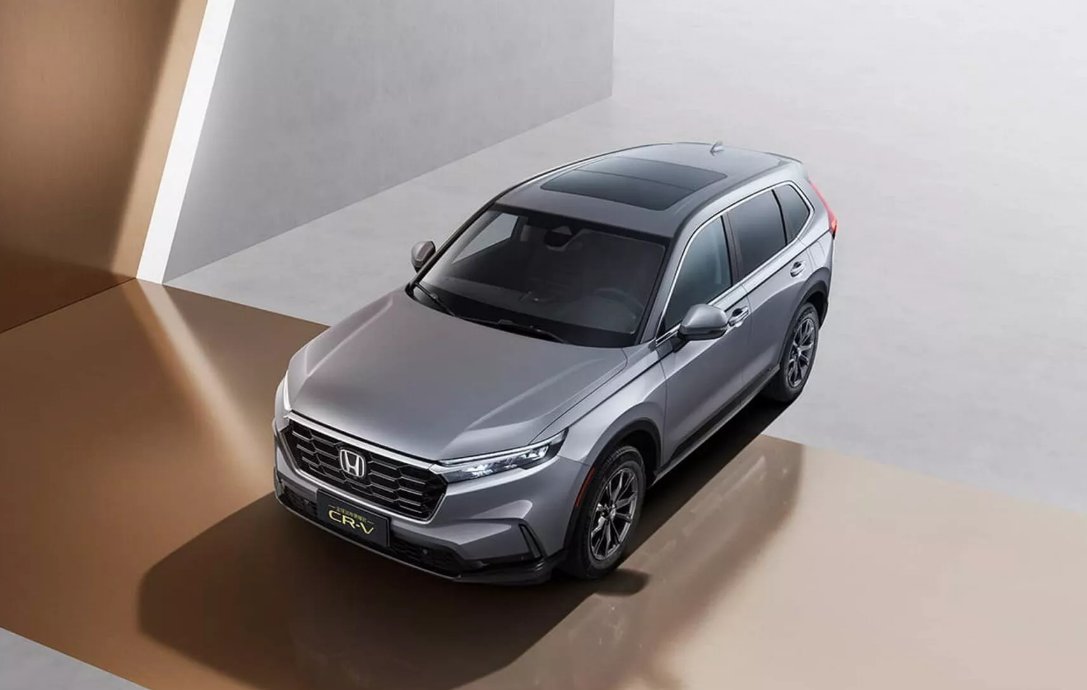
And even when the battery is depleted, it just becomes a regular gas-electric hybrid—the official fuel economy figures are shockingly low. Of course, take those with a grain of salt; real-world numbers will definitely be higher, but the foundation is there, so it won't be bad.
What's even more infuriating is the price. I looked at some Chinese sales websites, and the e:PHEV there converts to roughly just over $20,000 starting price.
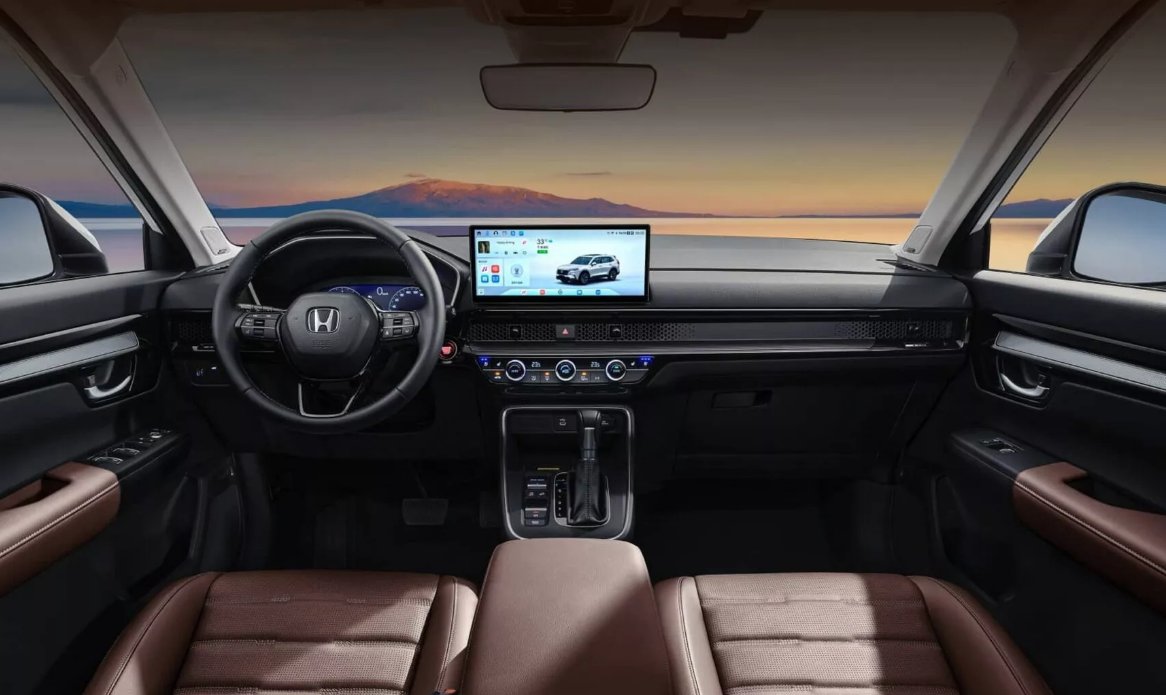
Of course, that price might not be accurate, but even if the official MSRP is higher, compared to our $30,000-plus starting price for a regular hybrid, the value proposition is just...
The equipment seems pretty good too—360-degree surround-view camera, active safety systems, all included.
I checked some foreign media reviews, and they all say the car drives comfortably and quietly, with plenty of space—all the advantages a family SUV should have, it has them.
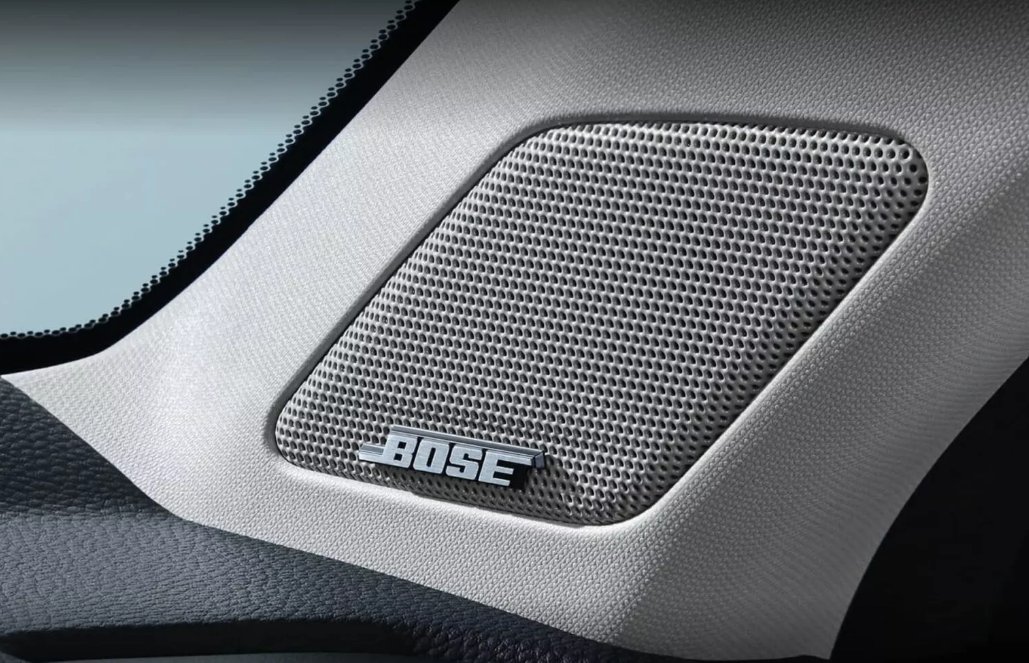
So here's the question—why isn't such a great car sold in the US?
My personal guess is, on one hand, it's a market strategy. Honda probably thinks charging infrastructure in the US isn't widespread enough yet, or consumers haven't fully embraced plug-in hybrids.
Look, the CR-V sells well enough in the US—even though it's always second to the Toyota RAV4, it still moves several hundred thousand units a year. Rock solid.
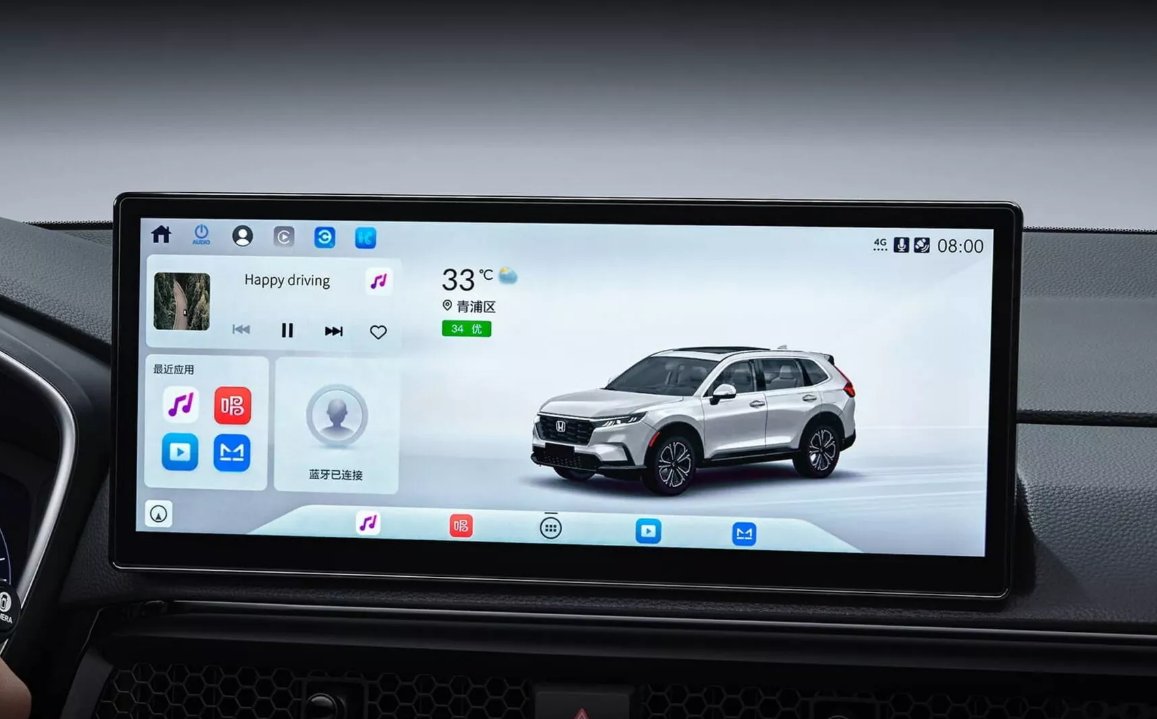
If you can make money lying down, why go through the hassle of introducing a new production line for plug-in hybrids?
On the other hand, it's probably about cost and profit margins. Adding a big battery definitely raises costs, and trying to maintain a competitive price in the US market probably means the profit margin wouldn't look so pretty.
Bottom line—we consumers just don't have a choice.
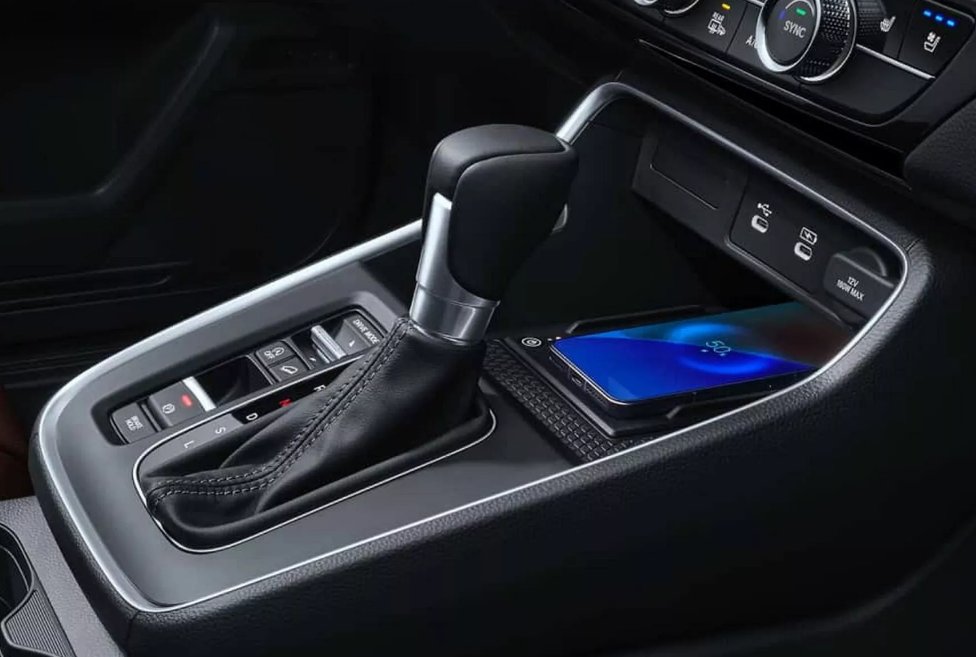
They give you a gas version, they give you a hybrid, and you can only pick between those two. That optimal solution—fuel up, plug in, electric for short trips, gas for long trips—sorry, we don't deserve to have it.
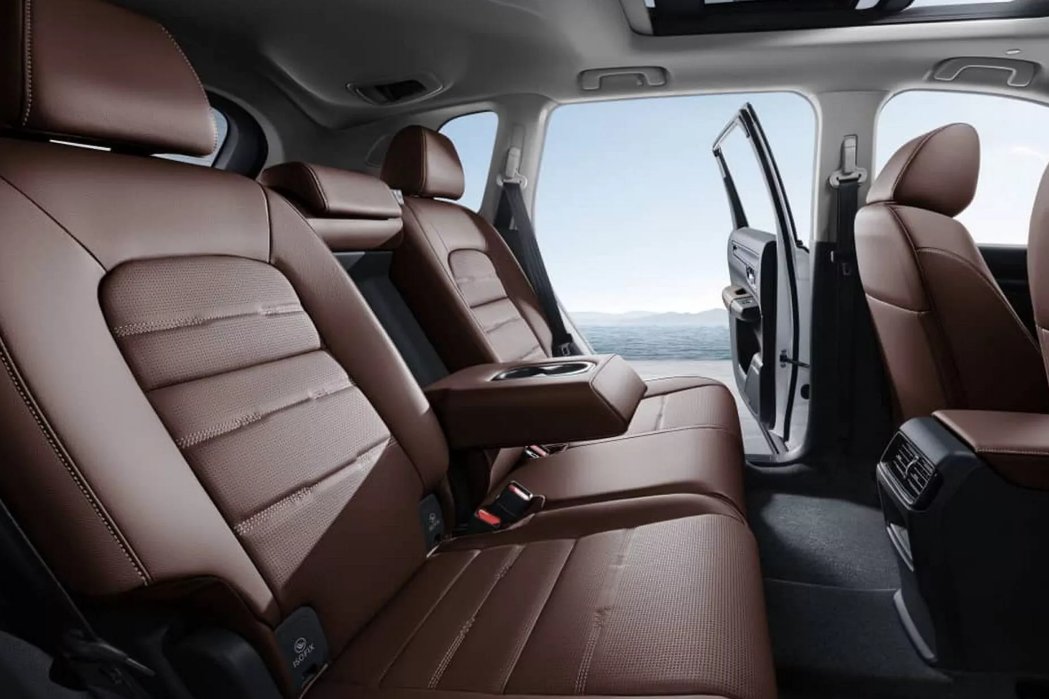
The more I think about it, the more frustrated I get. We're here haggling with salespeople for half a day over a tiny bit of fuel economy, while in another market, they just get the "I want it all" option handed to them.
What do you guys think about this? If you were buying a CR-V, would you pick the regular hybrid we get here, or would you rather have that plug-in hybrid version that can be charged?


