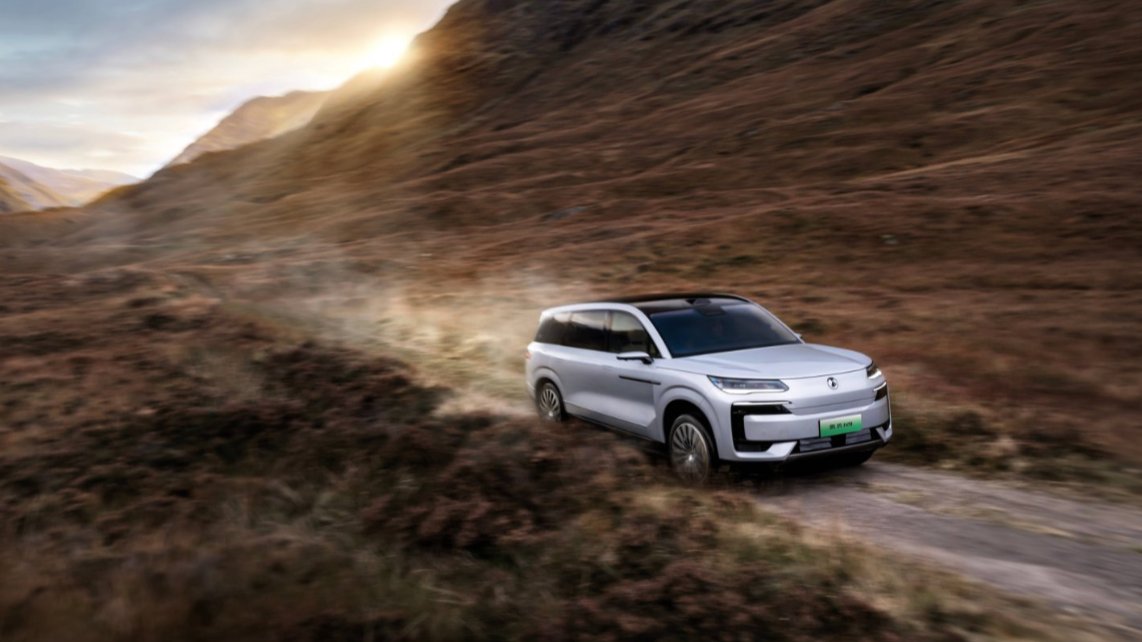
To be honest, the frequency of new car updates has been quite high recently, but when it comes to standout models, there are really only a handful. Take the Denza N9, for example—it came with built-in buzz the moment it launched. I noticed many car enthusiasts discussing its "145" code, so what exactly is that?
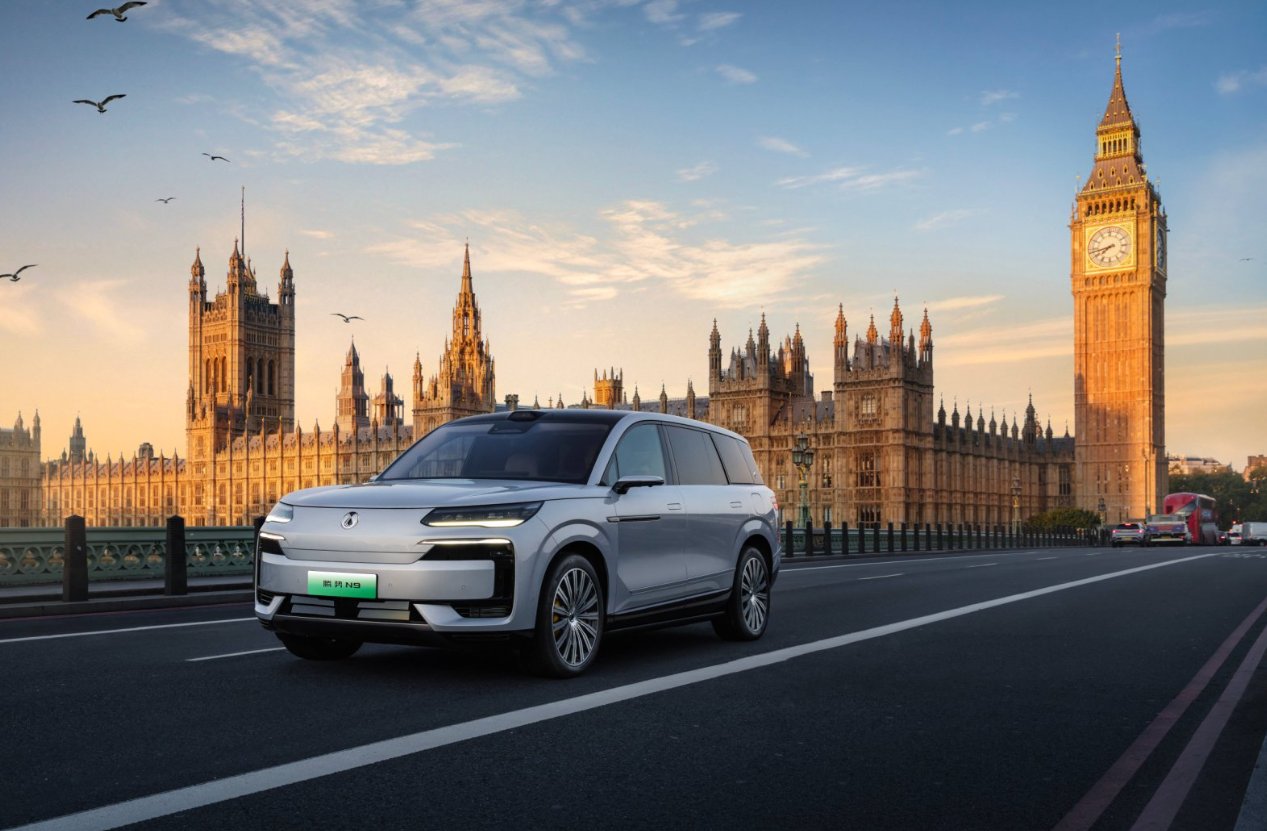
Simply put, "1" refers to the Denza N9 itself, a flagship-level SUV, "4" means it can easily handle four major scenarios!
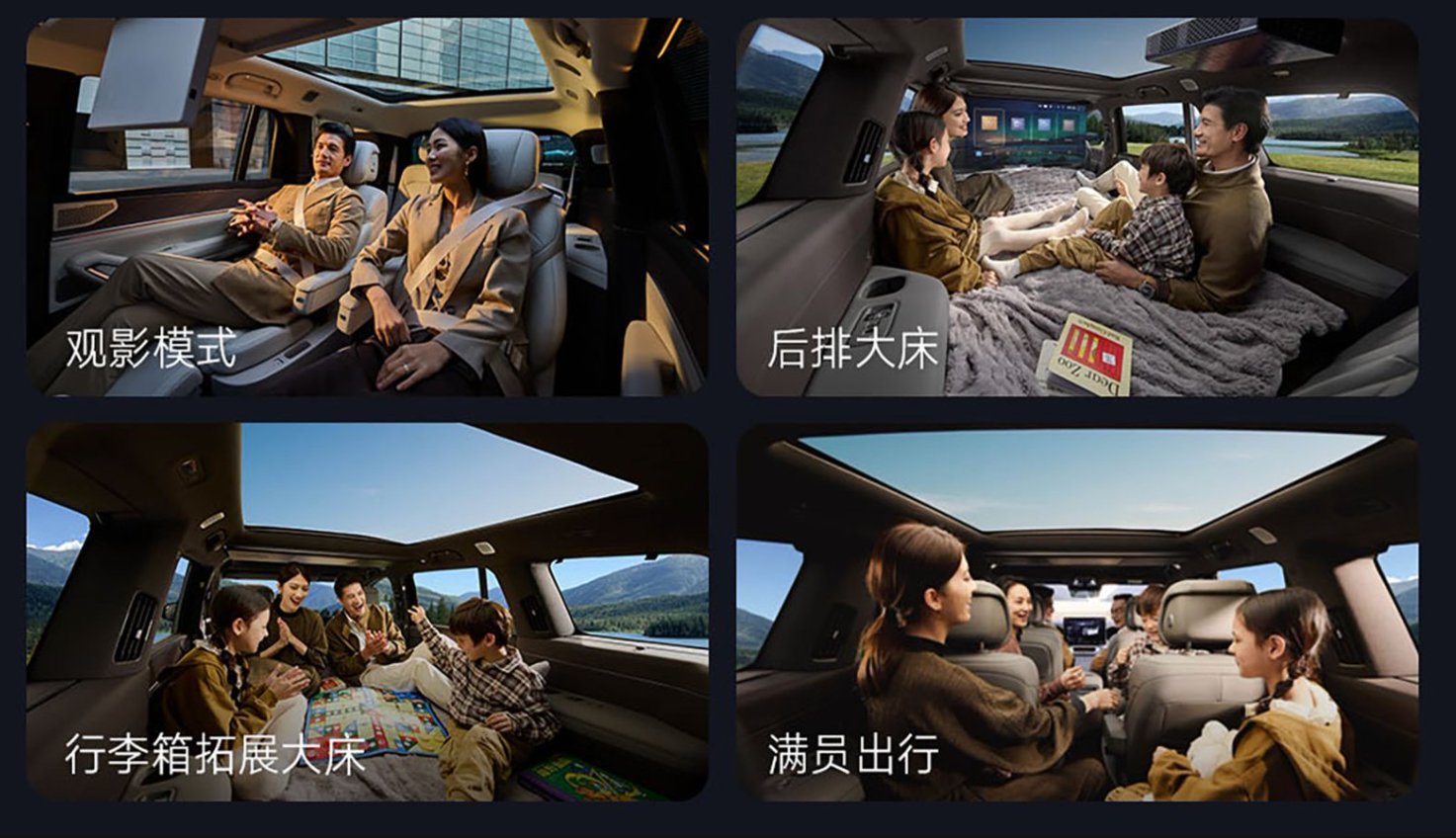
Whether it's daily city commuting, occasional camping trips to the wilderness, family outings with the young and old, or business occasions that require some presence, it can hold its own. As for "5," it means it excels in five areas: luxury, spaciousness, intelligence, handling, and safety.
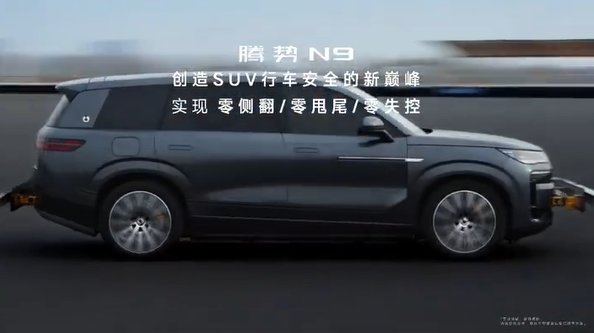
But just saying all this might not feel concrete enough. What truly stunned me—and even the entire industry—about the Denza N9 this time was its performance in safety tests, especially the so-called "death curve" fishhook test.
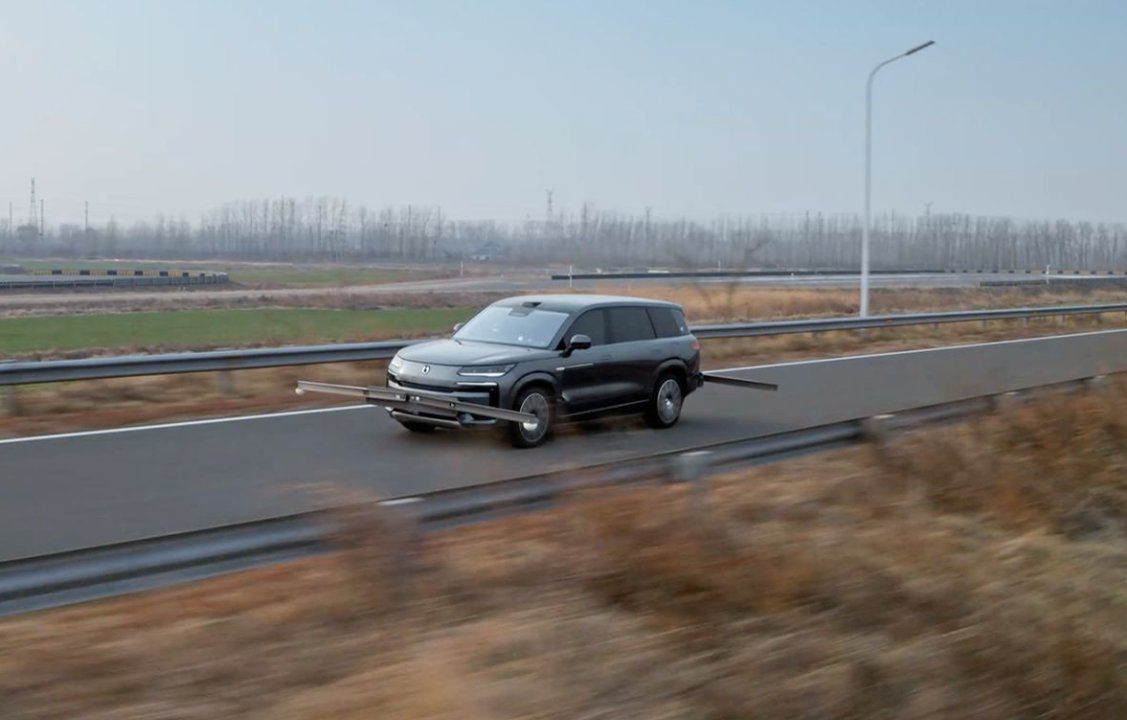
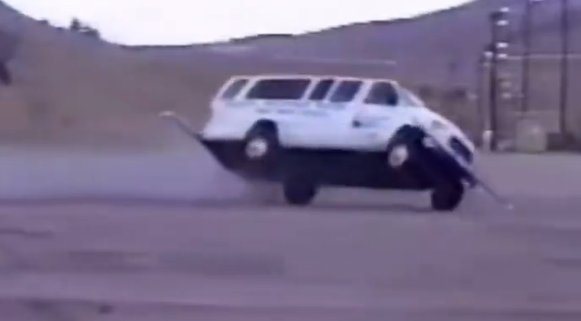
This thing is far more brutal than the moose test we commonly hear about, okay? It specifically simulates sudden sharp turns at high speed to avoid obstacles, posing an enormous challenge to a vehicle's rollover resistance.
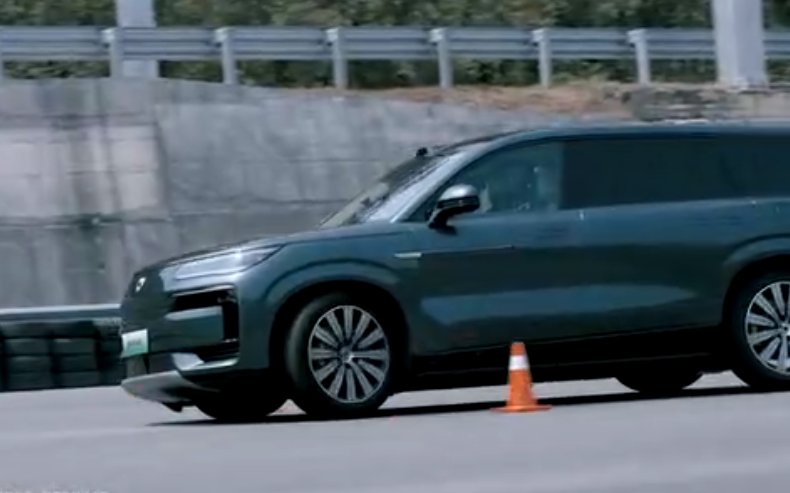
Do you know how terrifying this fishhook test is? It's said that in the U.S. NHTSA certification, once the speed reaches 80 km/h, the vast majority of cars will flip. Previously, the Porsche Cayenne held the throne among production SUVs for a full five years with a result of 82.4 km/h.
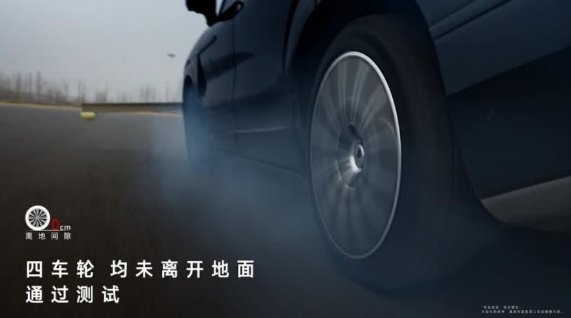
Then came the Denza N9, armed with BYD's black technology called "e-Three," which directly pushed that record to 160 km/h! That's double the industry's highest standard!
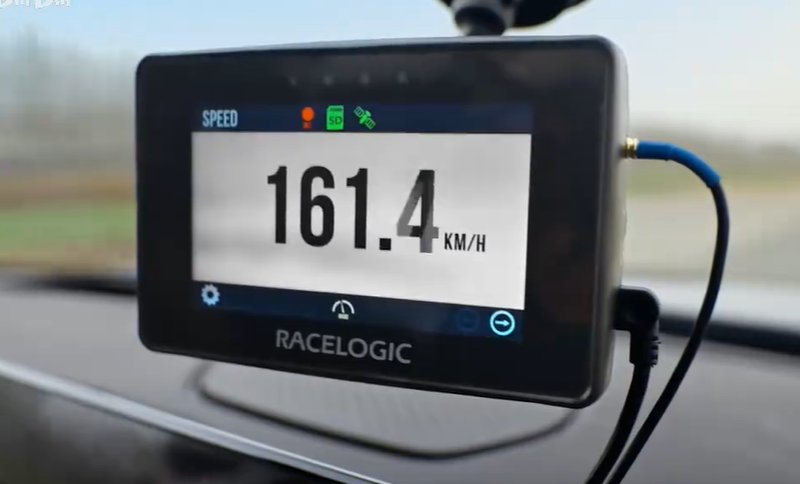
Reportedly, during the test, the body was as stable as if glued to the ground—the tires were nearly smoking from friction, yet the posture remained rock solid. This truly reshaped our understanding of the safety limits of large SUVs.
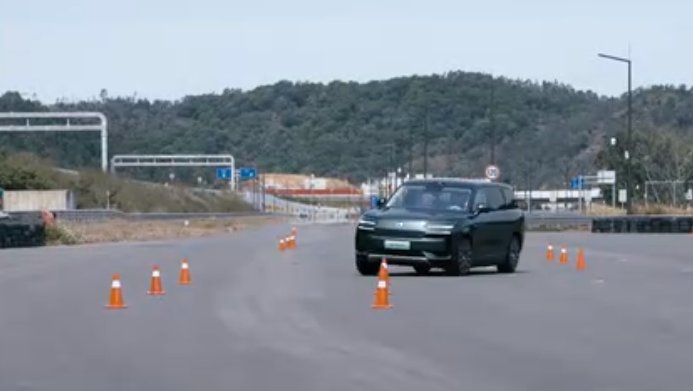
Beyond the fishhook test, the Denza N9 is no slouch in other safety assessments either. Its moose test result is 85.73 km/h, which is a globally leading level among SUVs.
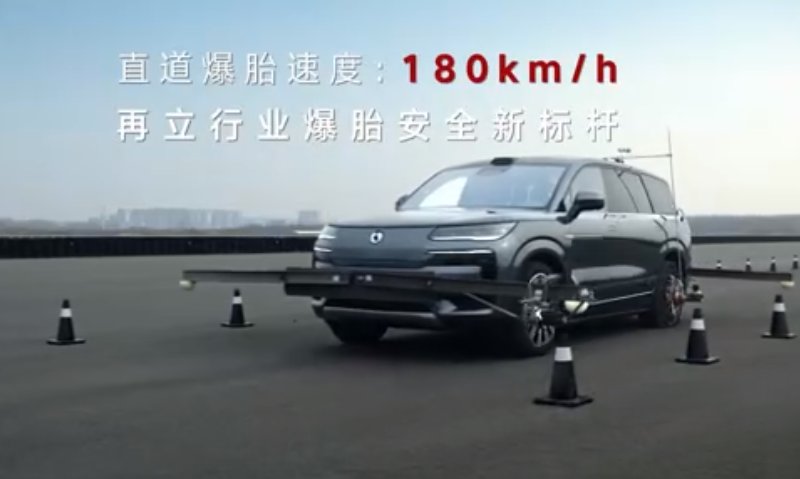
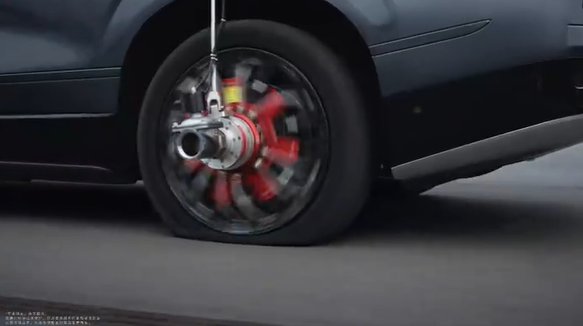
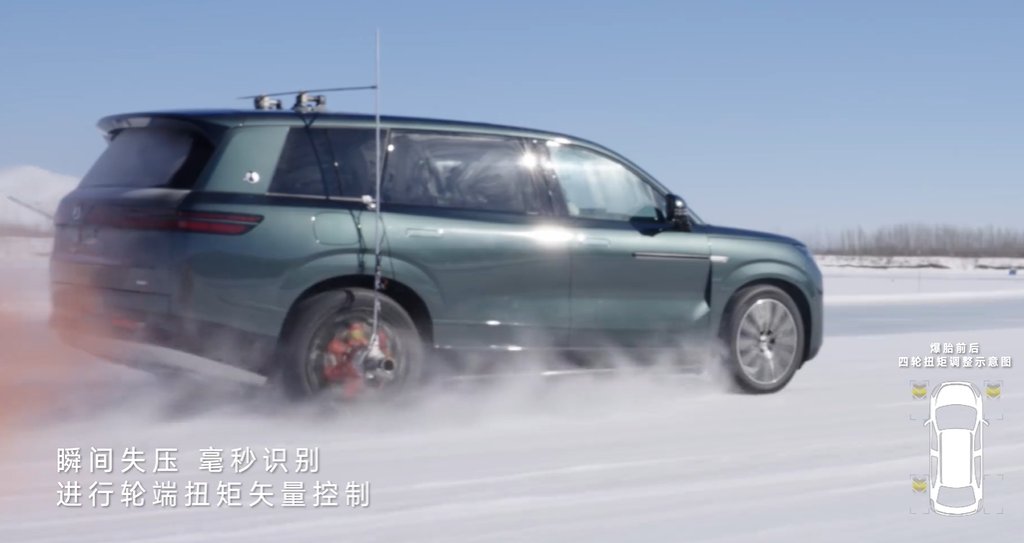
There's also the even more thrilling high-speed tire blowout test. You can imagine how dangerous a sudden tire blowout at highway speeds would be, right? The Denza N9, on a straight road at 180 km/h with a blown tire, still maintained stability—a global first in the automotive industry.
On the more challenging curve—a large bend with a 500-meter radius—at 144 km/h with a tire blowout, it still navigated the curve steadily. That's also an industry first.
Even on slippery ice and snow surfaces, with a tire blowout at 77 km/h, it handled it with composure. Behind all this, the "e-Three" technology absolutely played a major role.
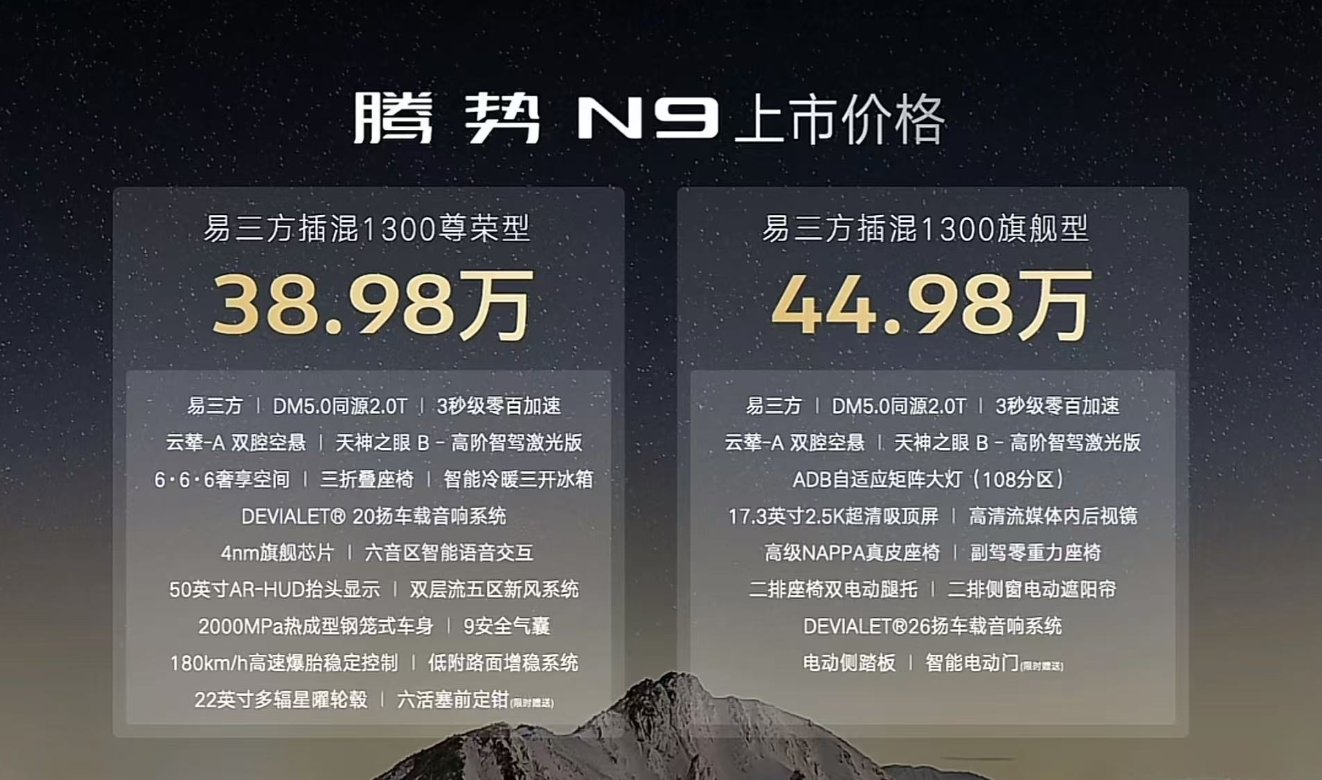
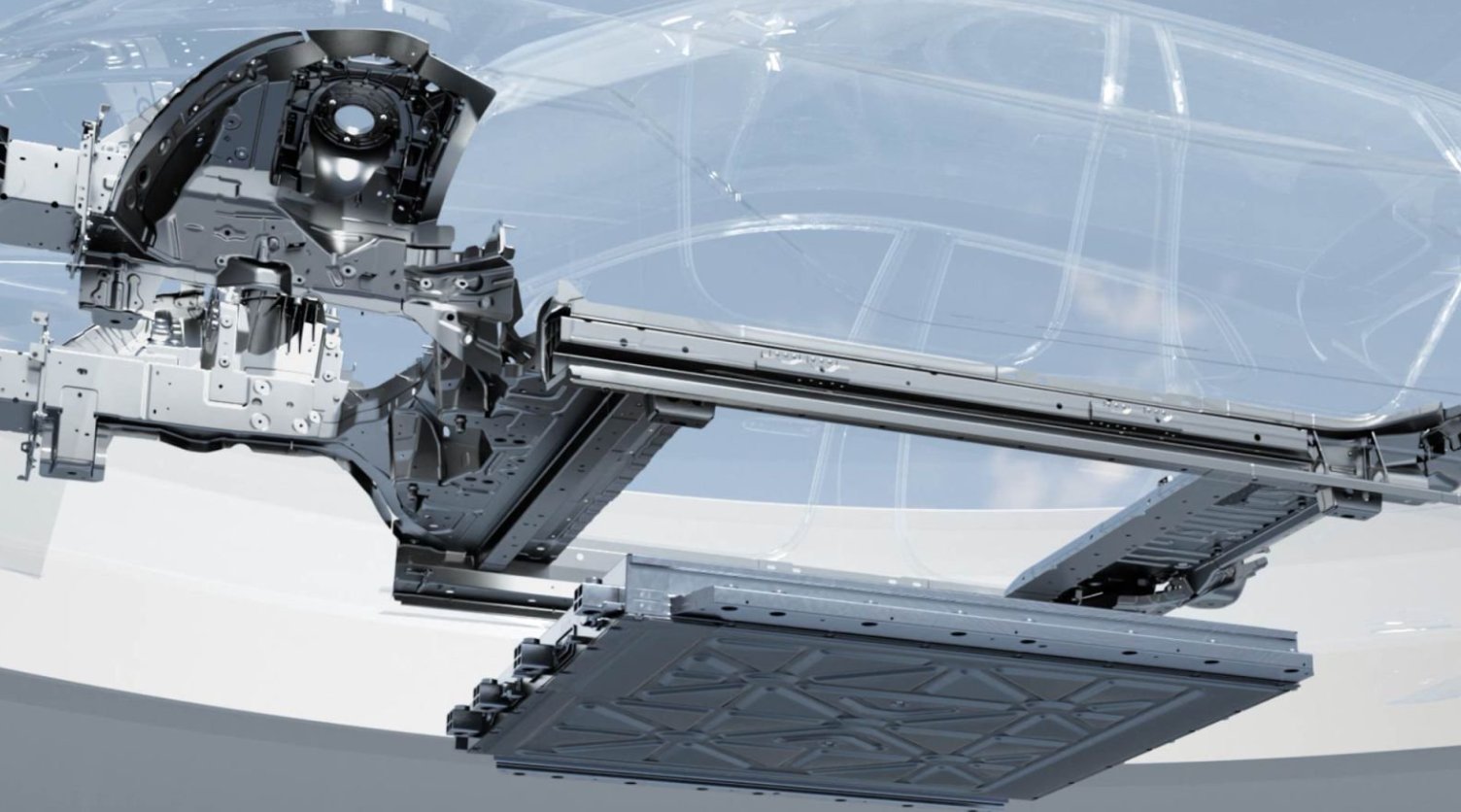
Of course, safety is the foundation, but other aspects have to keep up too. As the world's first flagship SUV equipped with "e-Three" technology, the Denza N9 uses a 2.0T super hybrid system for power, and the spec sheet also includes the YunNian-A dual-chamber air suspension and the God's Eye B intelligent driving assistance system. These are all genuinely quality features, and the official word is that the entry trim is already high-spec.
In terms of pricing, the official guide price ranges from 389,800 to 449,800 yuan. Considering its size, configuration, and especially that god-like safety performance and "e-Three" technology—
I think the Denza N9 is genuinely trying to redefine the value benchmark in the large flagship SUV market this time. You could say it's ushering in a new era of tech-luxury SUVs.
It's not just about impressive specs on paper—it puts safety squarely on the table in a tangible way. For those who prioritize safety for the whole family on the road, its appeal is quite significant.


