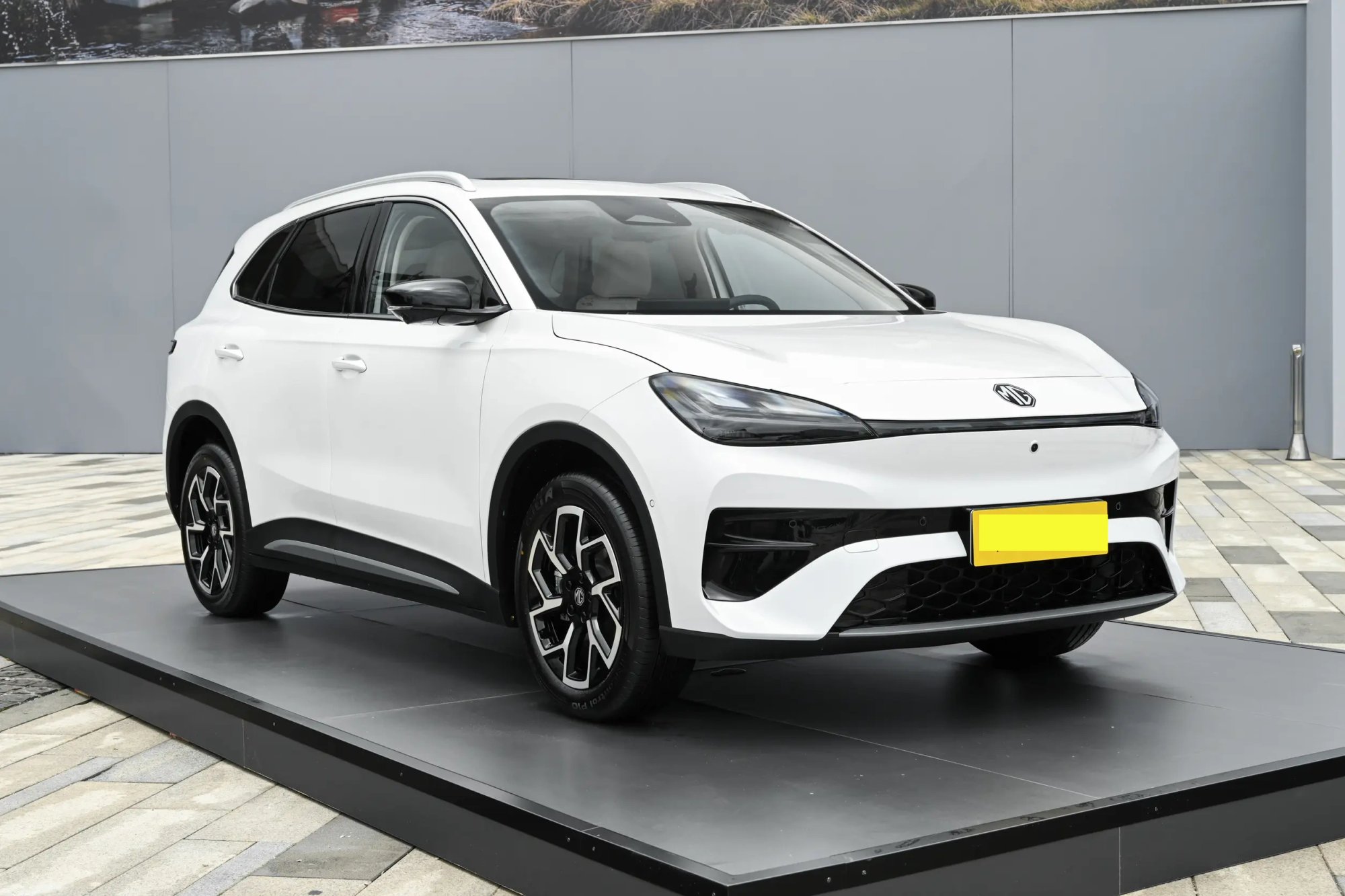
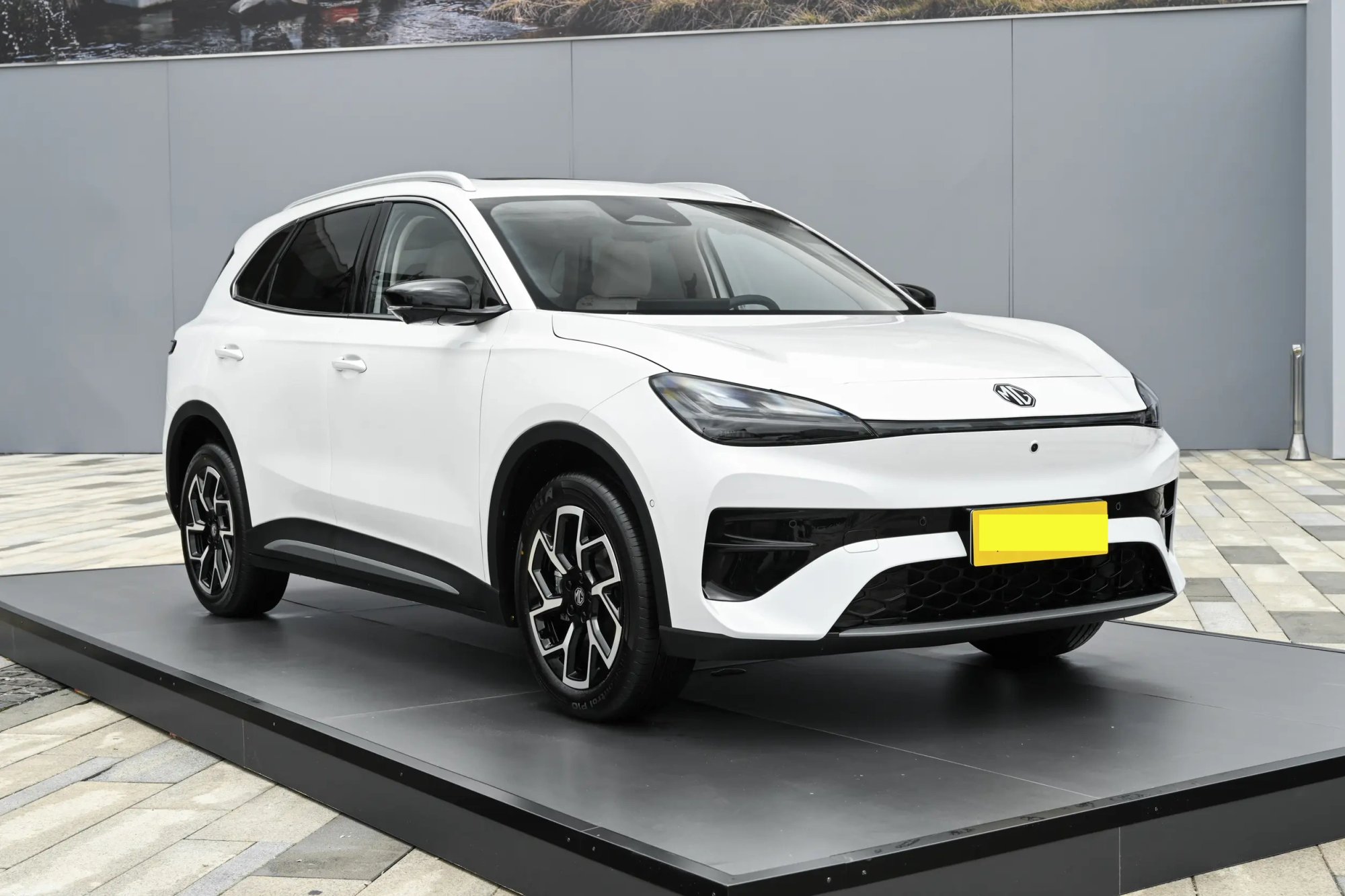
The 2026 SAIC MG 4X is positioned as a compact all-electric SUV, with four models launched, officially guided prices of 99,800–116,800 yuan, and limited-time discounted prices in some regions of 92,800–109,800 yuan. The new car offers two CLTC all-electric range tiers, 510 km and 610 km, with the 510 km version using a semi-solid-state battery and the 610 km version using a lithium iron phosphate battery. For consumers with a budget of around 100,000 yuan who commute daily and occasionally take long trips, should they prioritize battery technology or longer range?
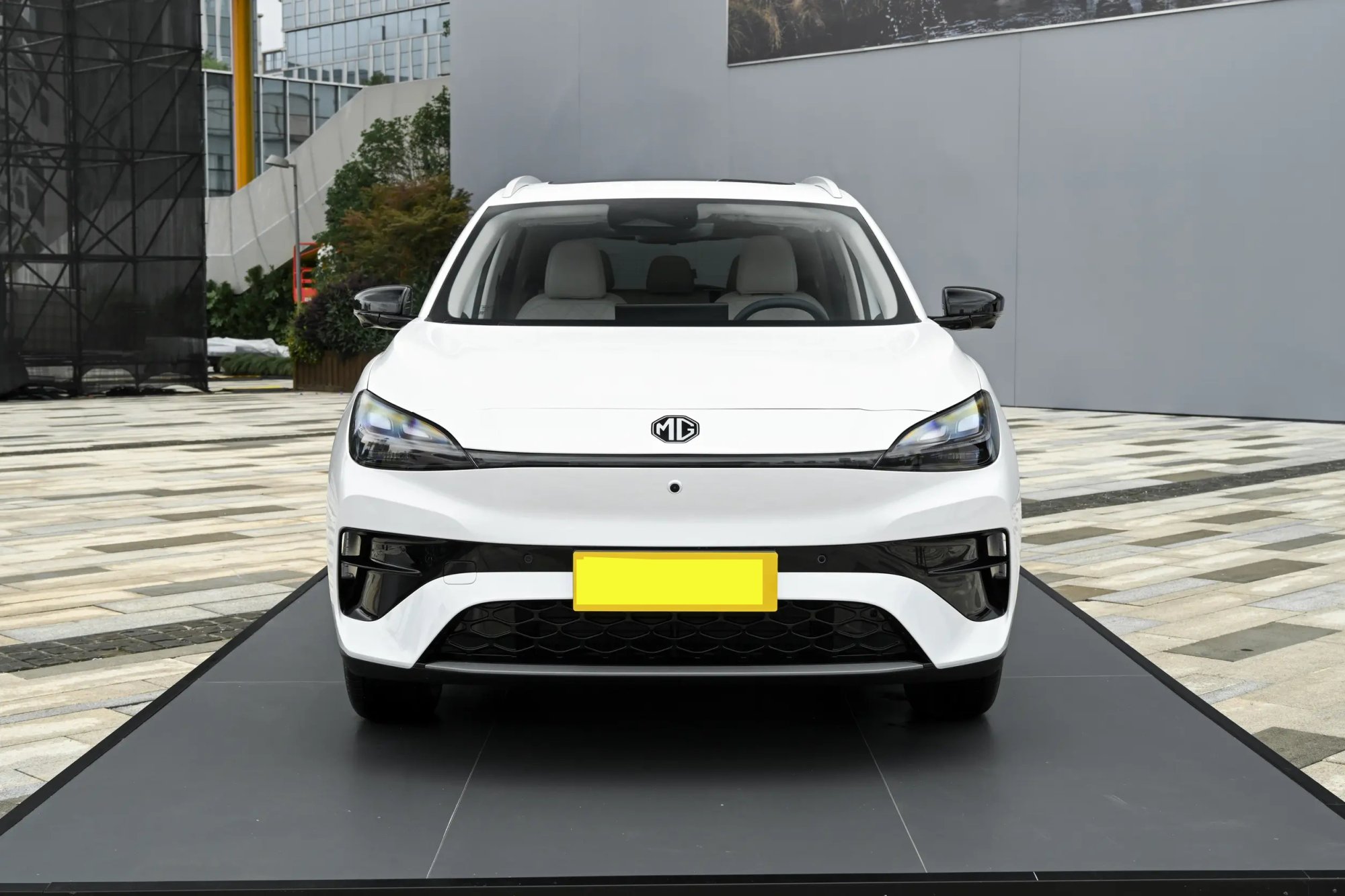
The MG 4X continues the MG4 family design language, with a closed front face, horizontal LED daytime running lights spanning both sides, and an illuminated MG brand logo placed in the center. High and low beams are located in separate lamp units on both sides, the front bumper adds black wind-blade-style aerodynamic structures, and air intake openings are set below. Reinforcement lines on both sides of the hood extend toward the front of the car, creating a fairly distinctive sporty look.
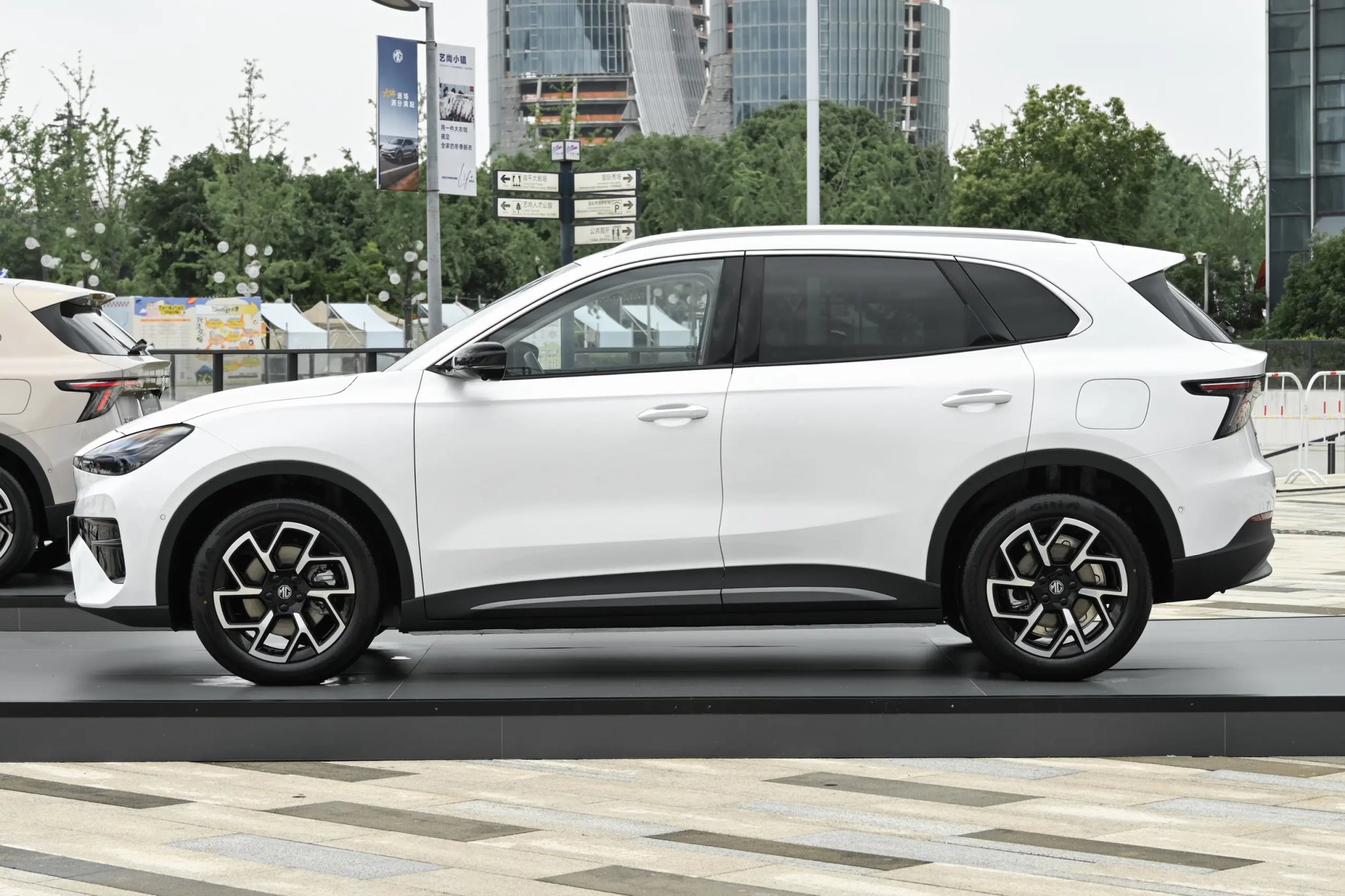
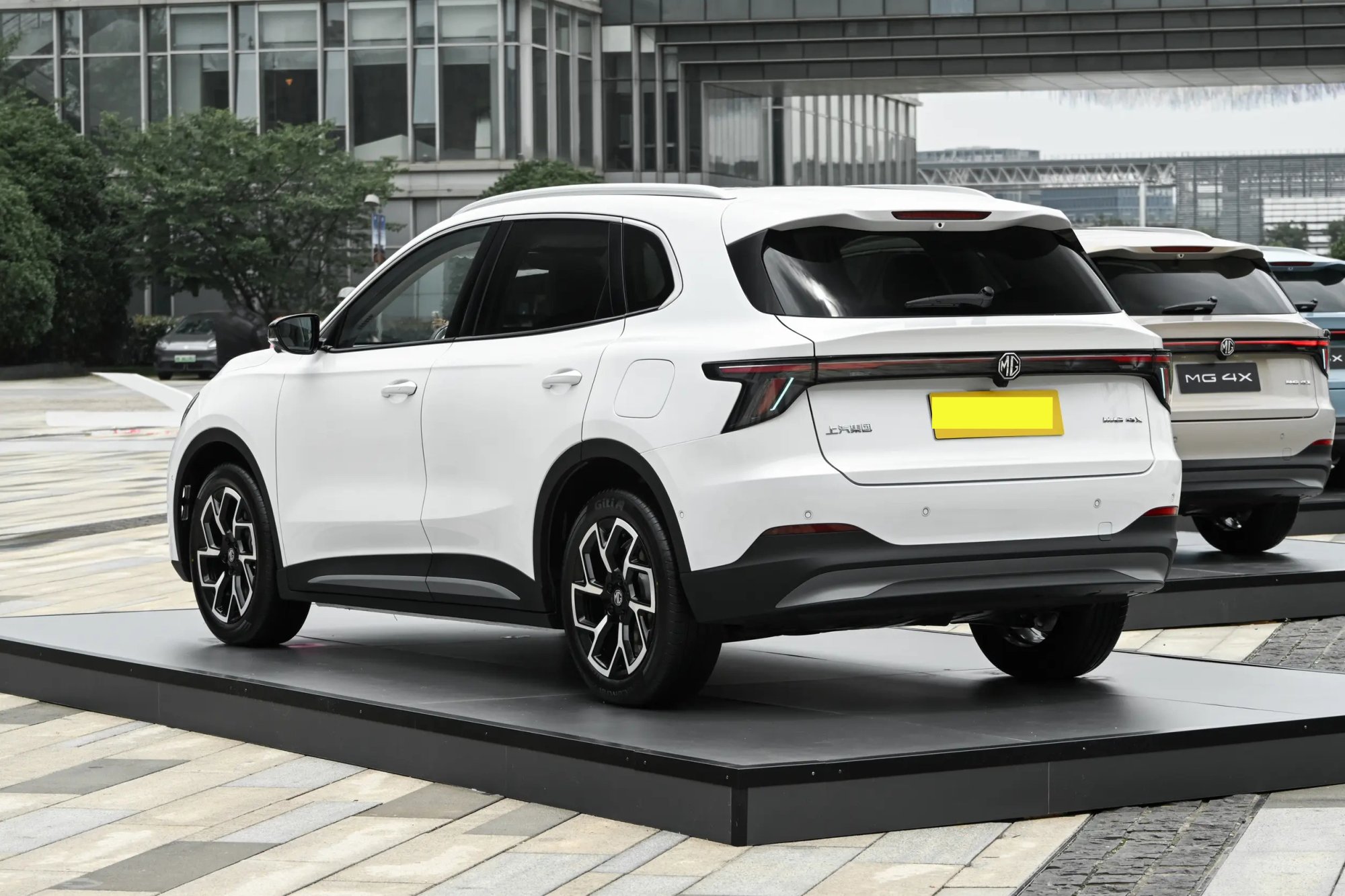
The side profile adopts a flat roof contour, with the waistline extending from the front fender rearward, complemented by black wheel arches and lower door trim. The body dimensions are 4500/1849/1621 mm in length, width, and height, with the Smart Enjoy version increasing to 1627 mm in height due to roof rails, while the wheelbase is uniformly 2735 mm. All four models are equipped with 18-inch wheels, with front and rear tire specifications of 215/55 R18, and the rear features a full-width LED light assembly and a roof spoiler.
The interior adopts a horizontal center console layout, paired with a two-spoke multifunction steering wheel and an electronic column shifter. In front of the driver is a 10.25-inch LCD instrument cluster, while the center is equipped with a 15.6-inch 2.5K touchscreen using the Qualcomm Snapdragon 8155P cockpit chip. Functions such as navigation, multimedia, and vehicle settings are operated through the central screen, and the front center tunnel retains cup holders, an armrest box, and a phone storage area.
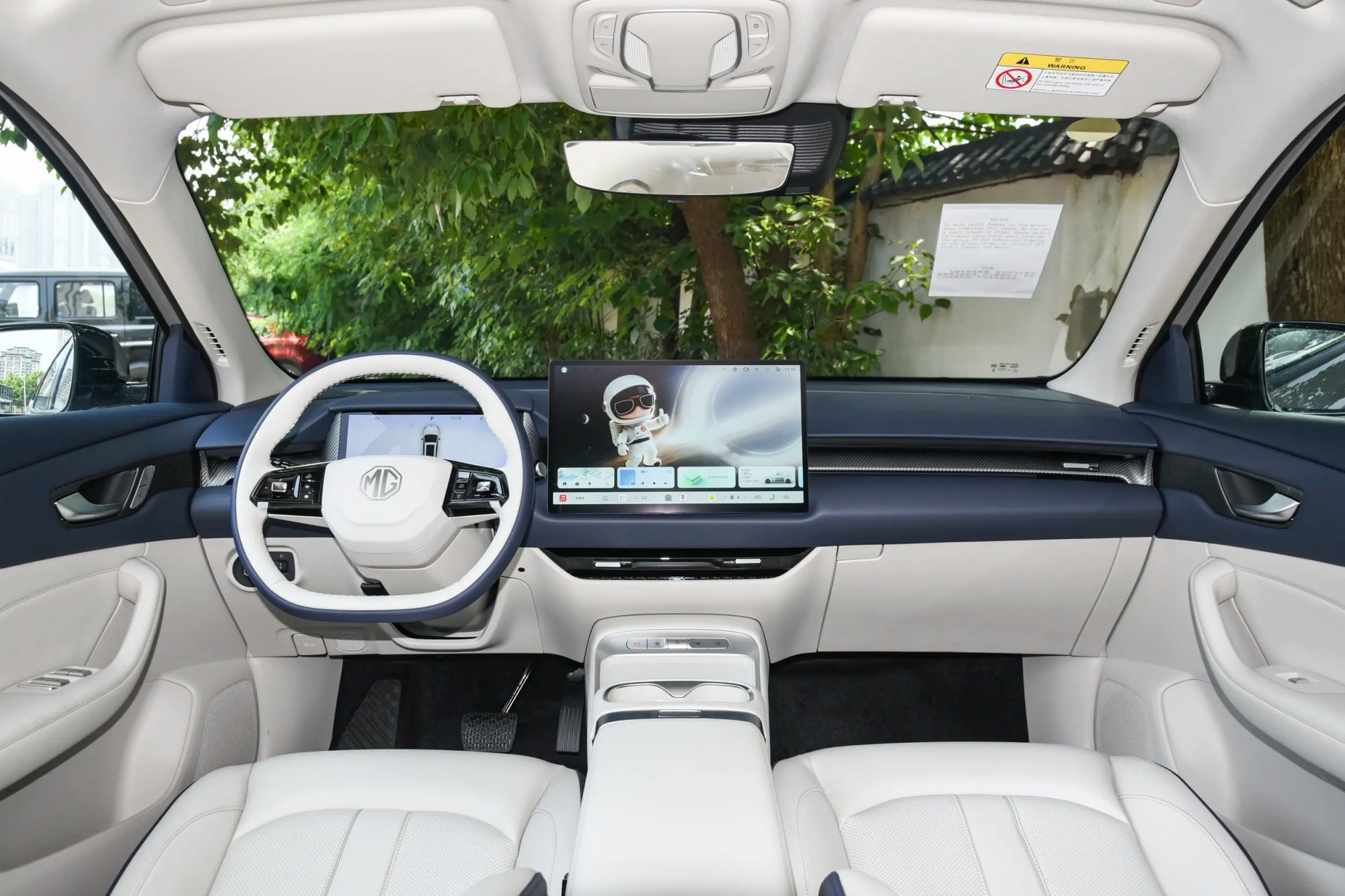
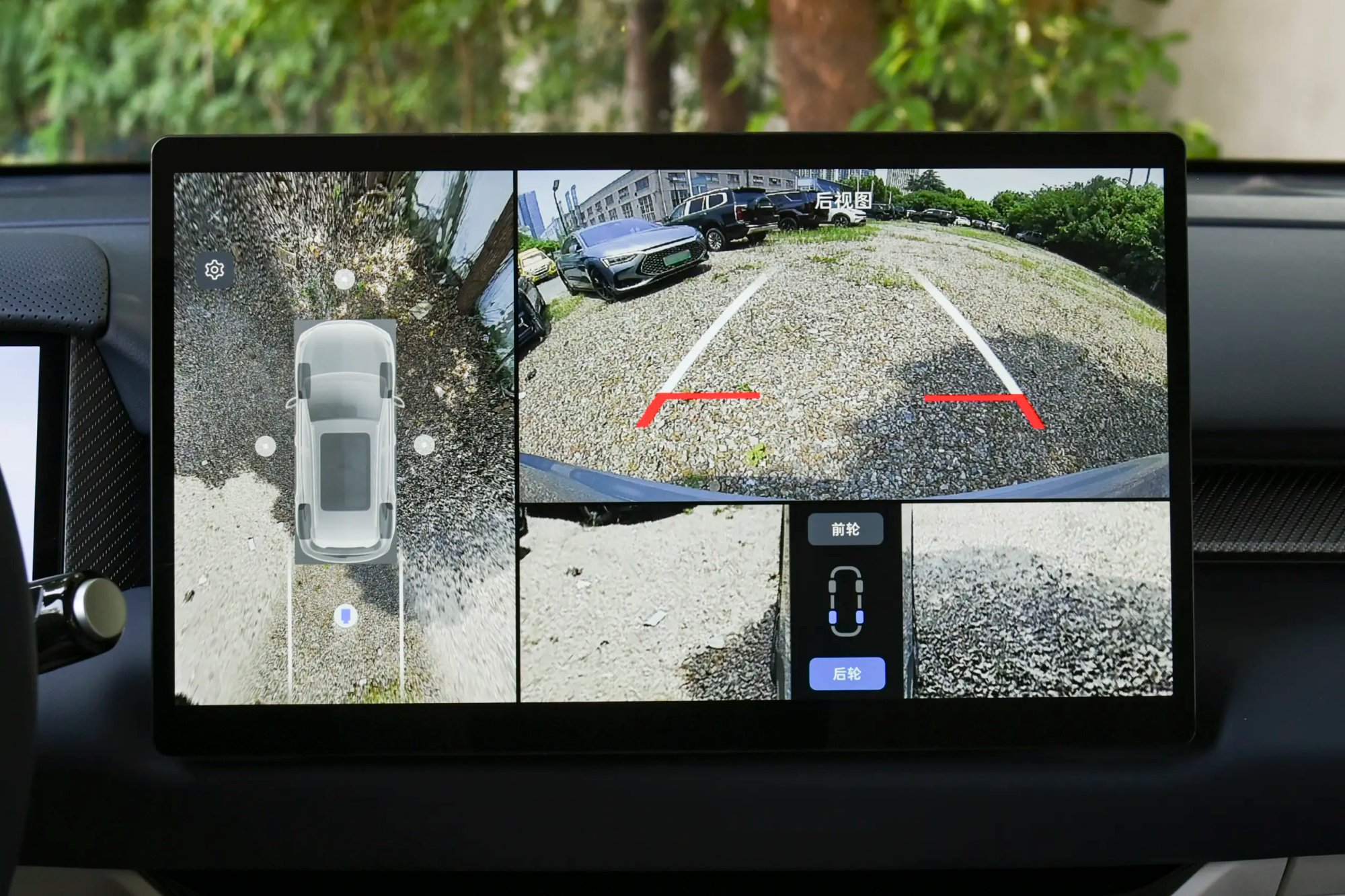
The infotainment system supports voice control, OTA upgrades, and is compatible with wireless CarPlay, Huawei HiCar, and Carlink phone connectivity. The entire lineup is equipped with 8-speaker audio. In terms of driver assistance, the Freedom version uses the Horizon Journey J3 chip and offers functions such as adaptive cruise control; the Smart Enjoy version upgrades to the Journey J6E chip and supports highway navigation assist, intelligent parking, and more active safety functions, making it suitable for consumers who frequently use highways.
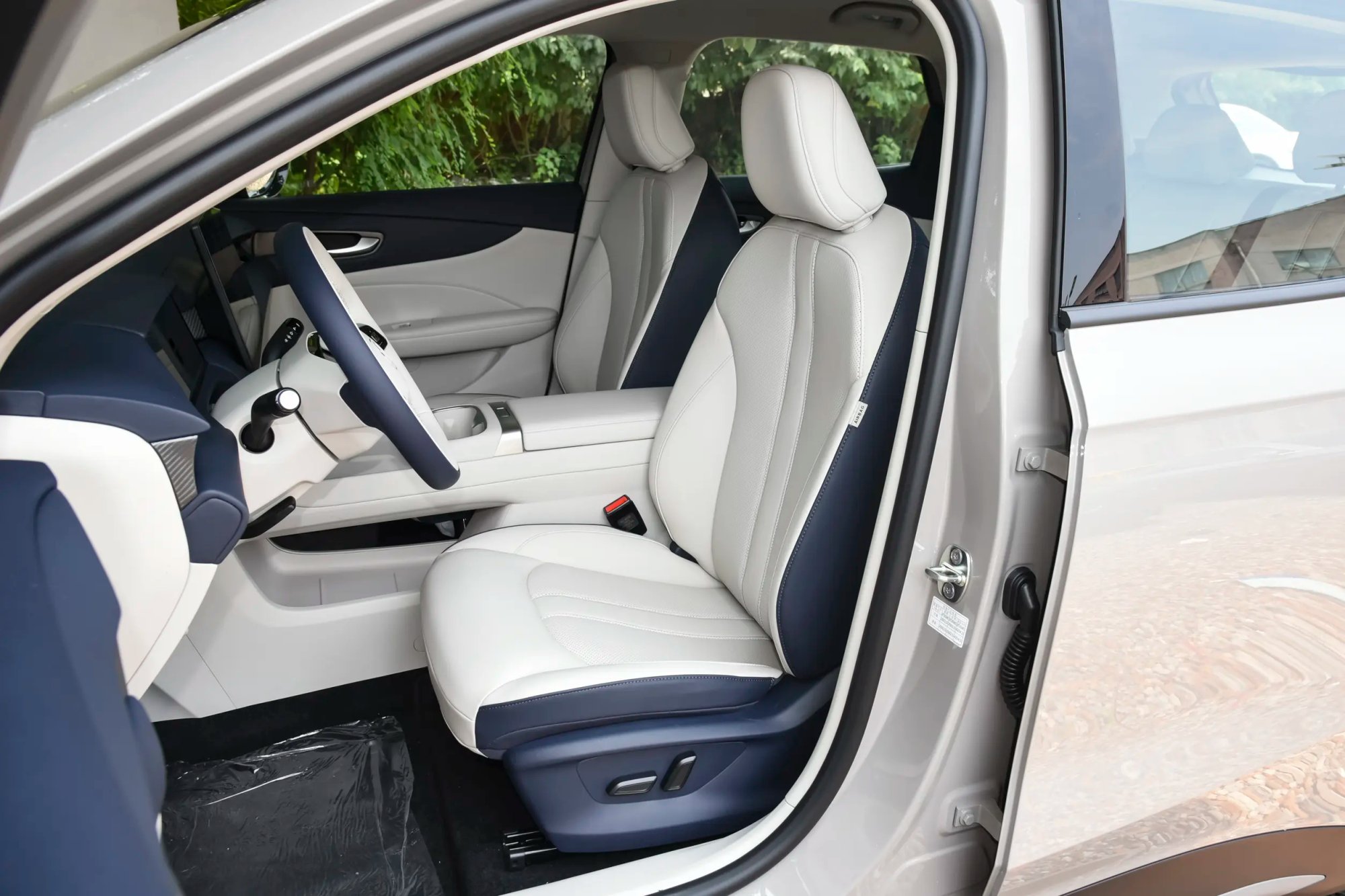
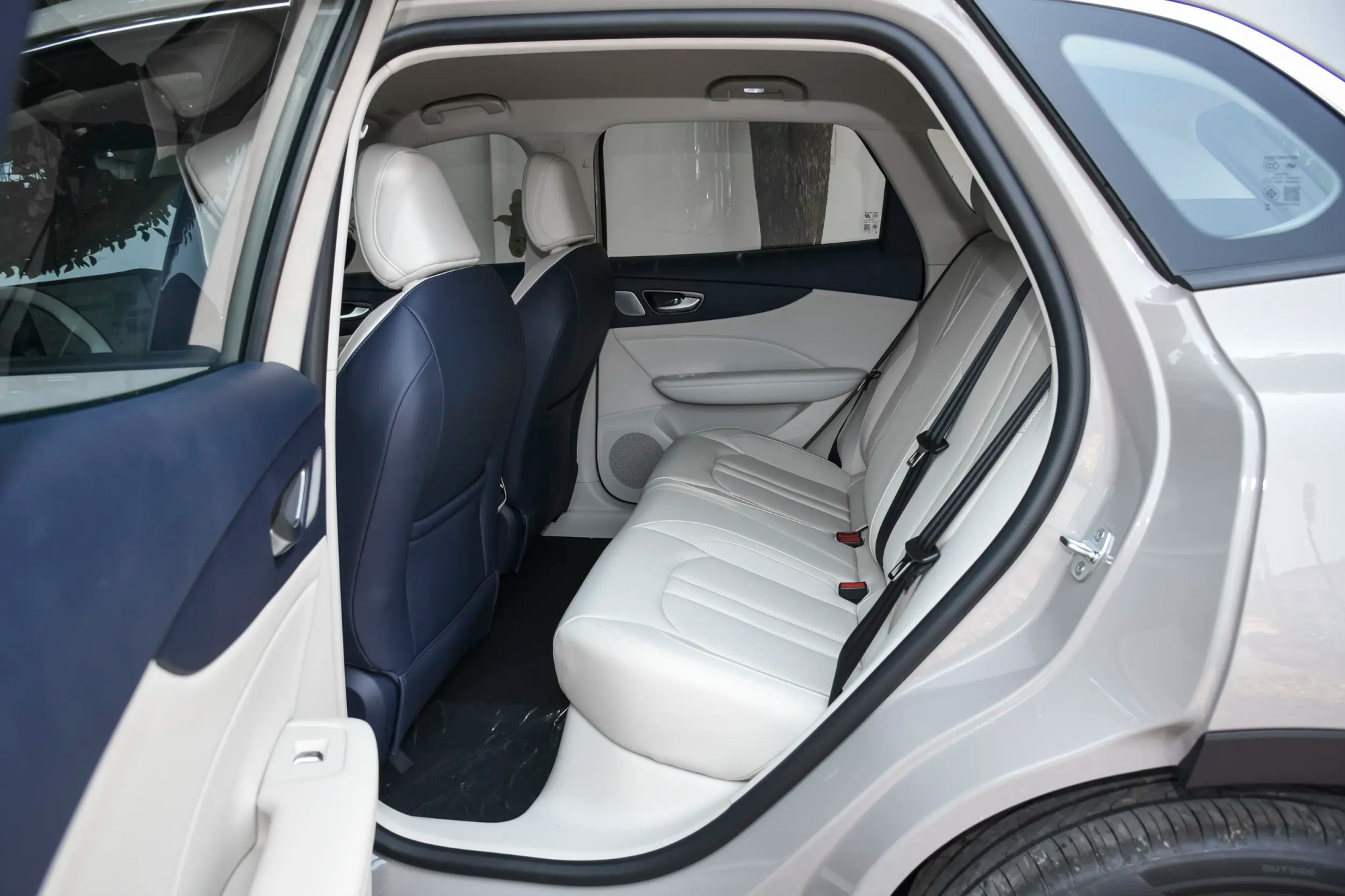
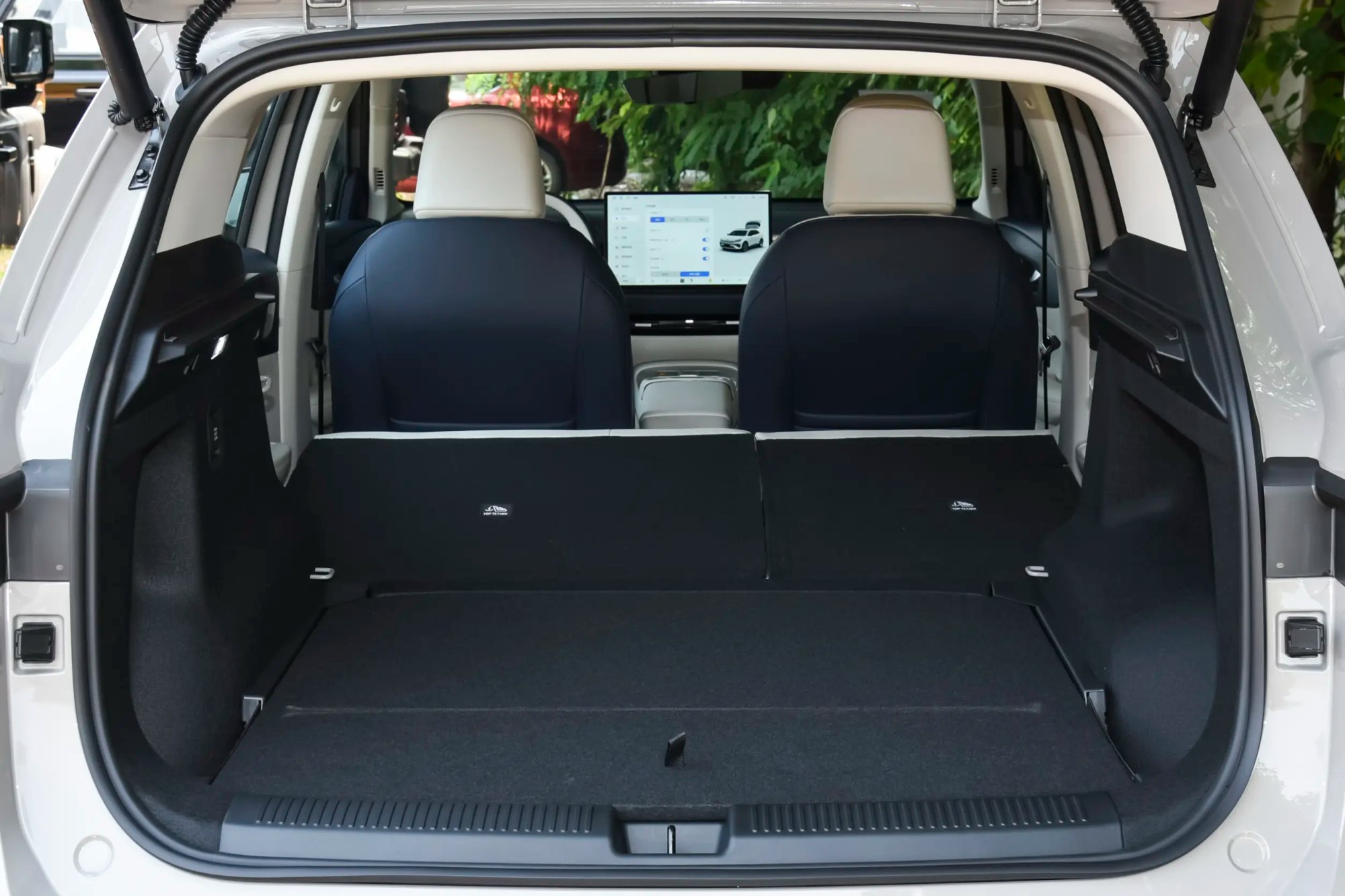
The seats use a 2+3 five-seat layout, with power adjustment and heating functions for the front row. The Smart Enjoy version adds a power leg rest for the front passenger, front seat massage, steering wheel heating, and other comfort features, and is also equipped with an openable panoramic sunroof. The rear seats support 40:60 split folding, and the trunk has a standard capacity of 463 L, expanding to a maximum of 1423 L when folded, suitable for carrying folding strollers, camping gear, and daily luggage.
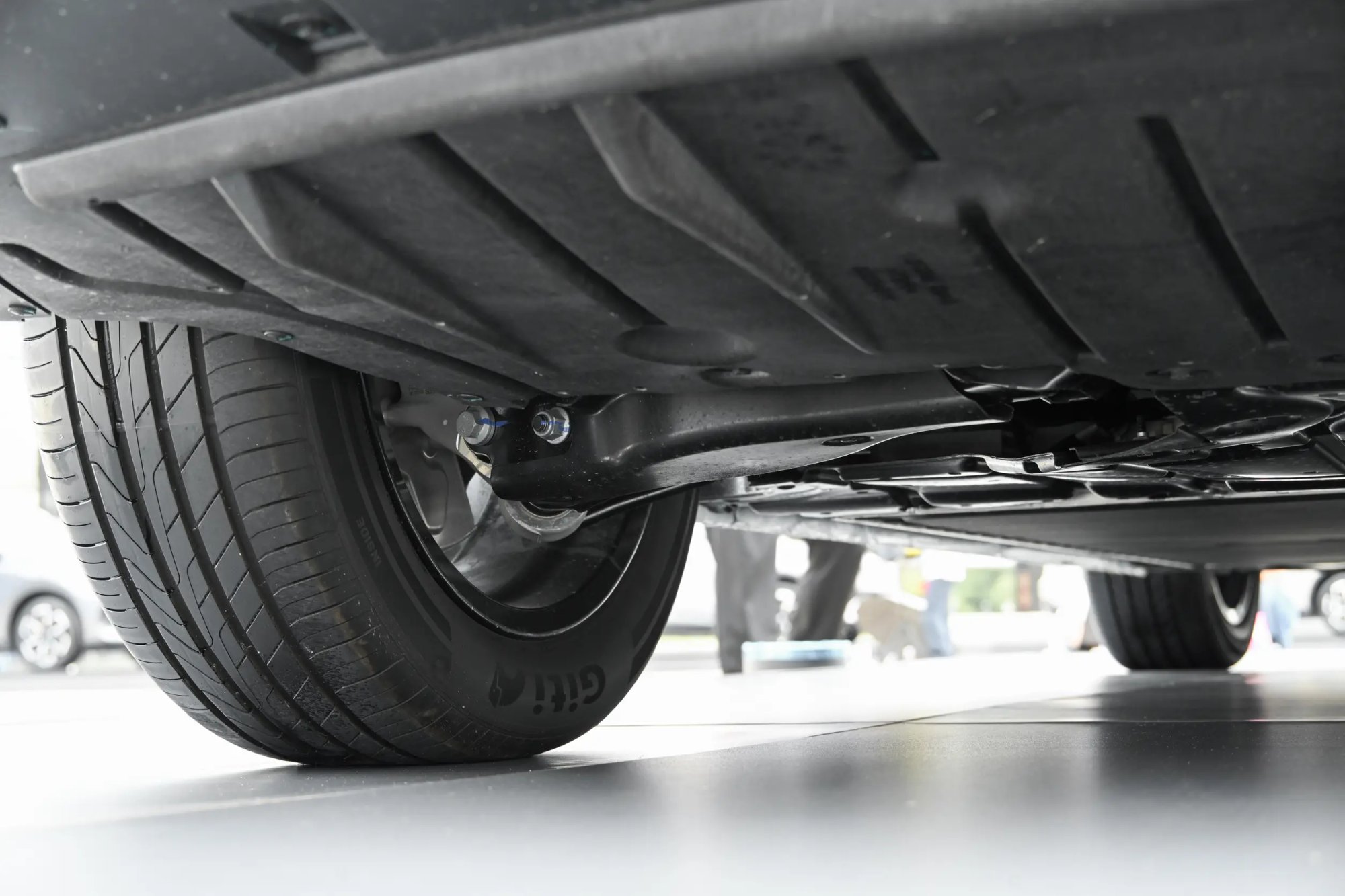
The chassis adopts MacPherson independent front suspension and five-link independent rear suspension, with all models using a rear-mounted single-motor rear-wheel-drive layout. The front MacPherson suspension uses shock absorber struts and lower control arms to constrain wheel movement, while the rear five-link setup controls the longitudinal and lateral movement of the wheels through different links. The rear-drive layout leaves the front wheels mainly responsible for steering while the rear wheels handle drive output, forming the mechanical foundation of the MG 4X together with the front and rear independent suspension.
In terms of power, the 510 semi-solid-state version is equipped with a rear-mounted permanent magnet synchronous motor, with a maximum power of 125 kW, maximum horsepower of 170 Ps, and maximum torque of 250 N·m. The official 0–50 km/h acceleration time is 3.7 seconds, and the top speed is 170 km/h. The 610 version upgrades to a 150 kW, 204 Ps motor, with maximum torque of 350 N·m, a 0–50 km/h acceleration time of 2.7 seconds, and a top speed of 190 km/h. Both powertrains are matched with a fixed-ratio single-speed gearbox.
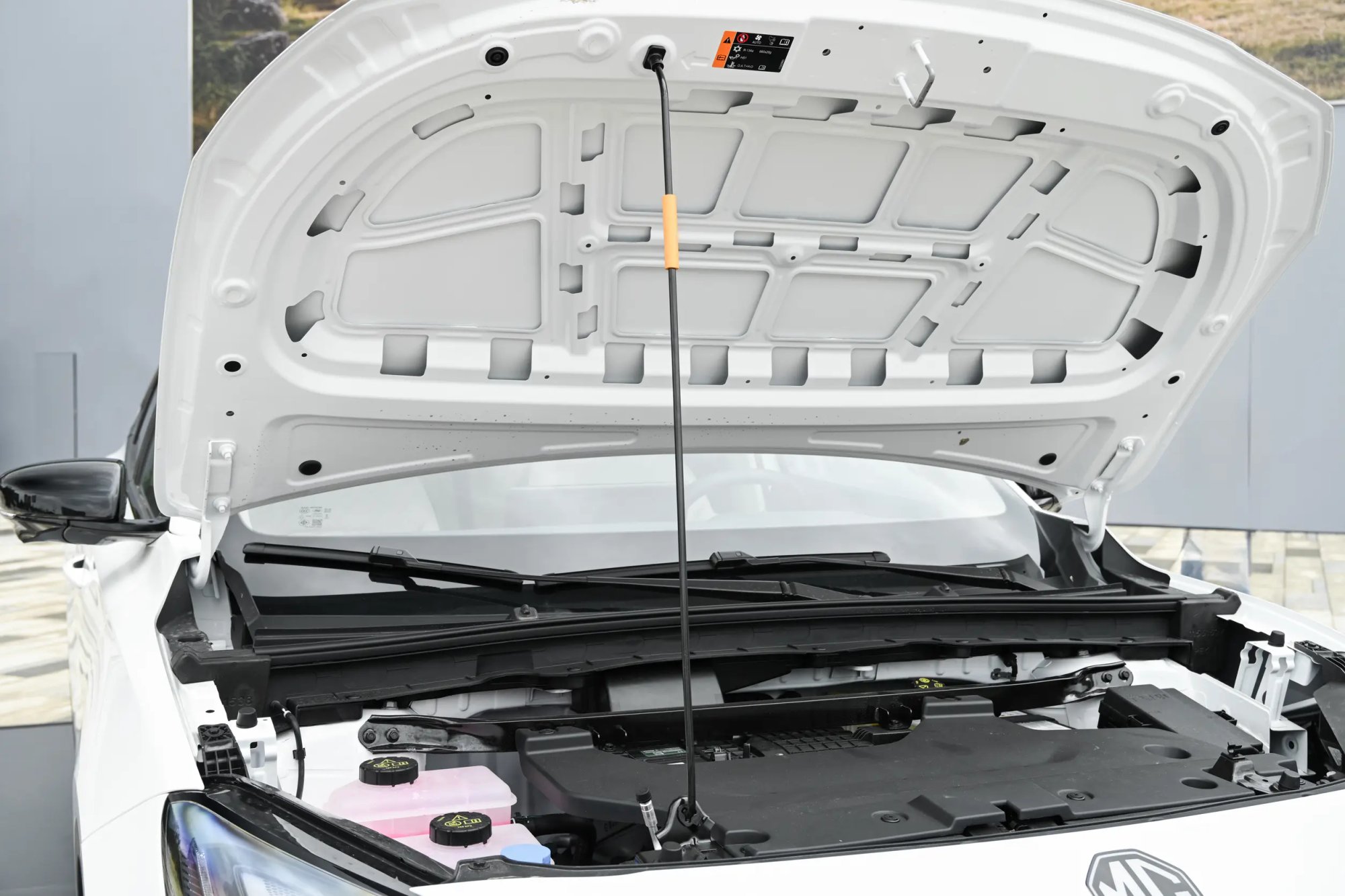
Battery technology is the main difference between the two range versions. The 510 semi-solid-state Freedom and Smart Enjoy versions use a 53.9 kWh manganese-based lithium-ion semi-solid-state battery supplied by SAIC Qingtao, with a CLTC all-electric range of 510 km. The semi-solid-state battery belongs to the solid-liquid hybrid electrolyte technology route and is different from all-solid-state batteries that use entirely solid electrolytes. This version has a CLTC electricity consumption of 12.5 kWh per 100 km.
The 610 Freedom and Smart Enjoy versions are equipped with a CATL 64.2 kWh lithium iron phosphate battery, with a CLTC all-electric range of 610 km, an increase of 100 km over the 510 version, and 10.3 kWh more battery capacity, with CLTC electricity consumption of 12.4 kWh per 100 km. The two 610 versions use the same battery capacity, motor power, and rear-drive structure, with the main differences reflected in cabin comfort and driver assistance configurations.
There are also differences in charging efficiency. The 510 semi-solid-state version has a claimed DC fast-charging time of 25 minutes from 30% to 80%; the 610 version uses a 3C fast-charging battery and takes about 16 minutes for the same range. All four models also support external discharge of up to 6.6 kW, which can supply power to camping lights, projectors, and other outdoor appliances through compatible equipment. Users who frequently travel between cities can include fast-charging time and range together in their car-buying considerations.
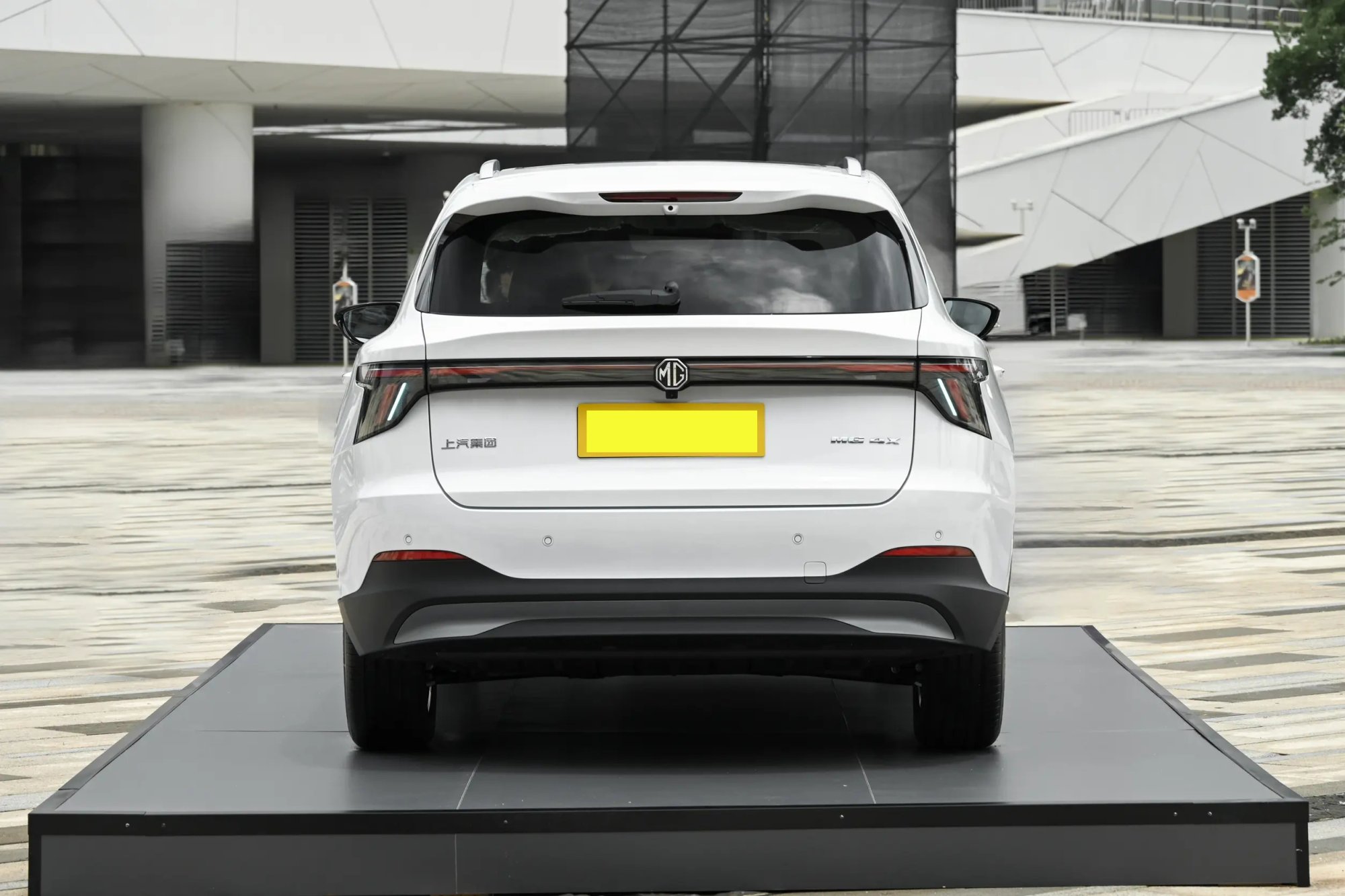
The two battery solutions of the MG 4X correspond to different needs: the 510 semi-solid-state version offers new battery technology and a lower purchase threshold, while the 610 version expands travel range with a 64.2 kWh battery, a 204 Ps motor, and 16-minute fast charging. For consumers who mainly commute in urban areas every week and occasionally take a long trip once a month, would you prefer the 510 km semi-solid-state battery or the 610 km lithium iron phosphate long-range version?


