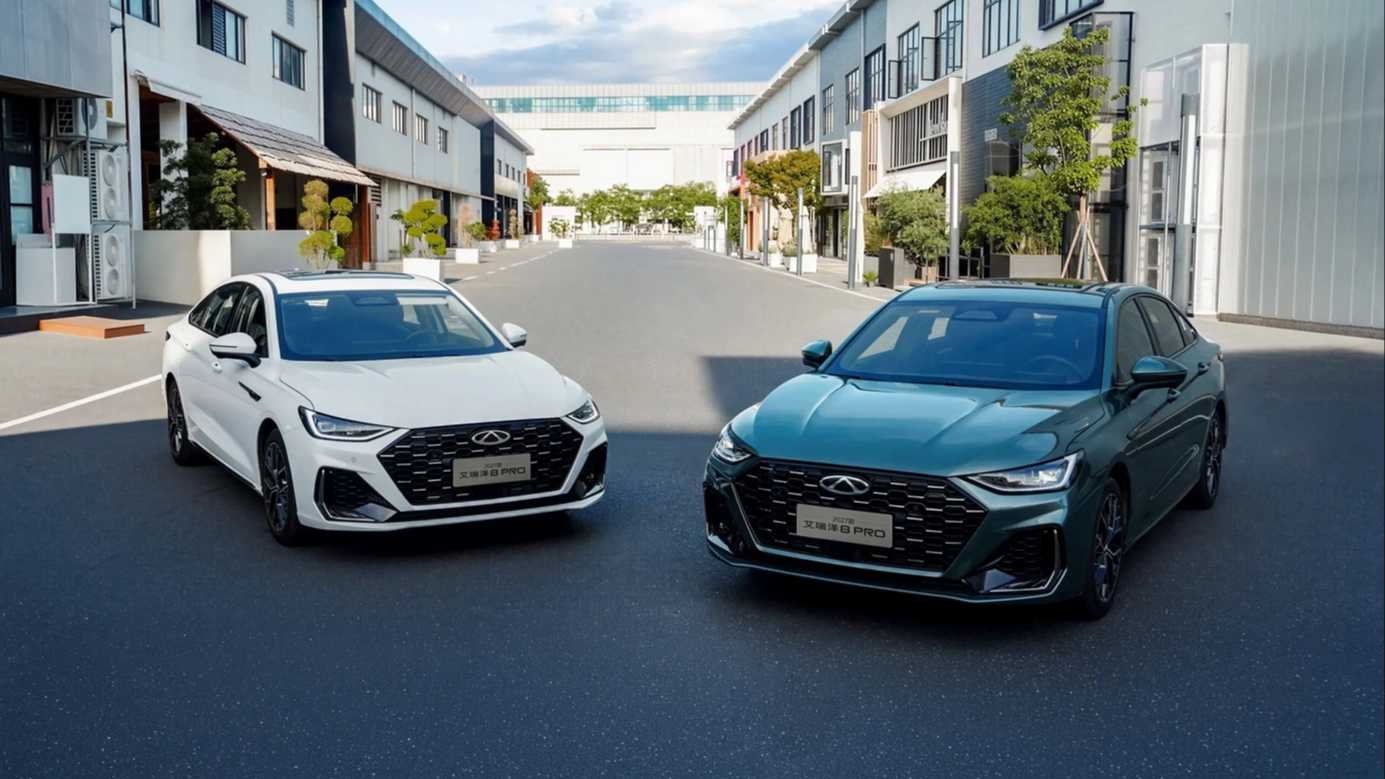
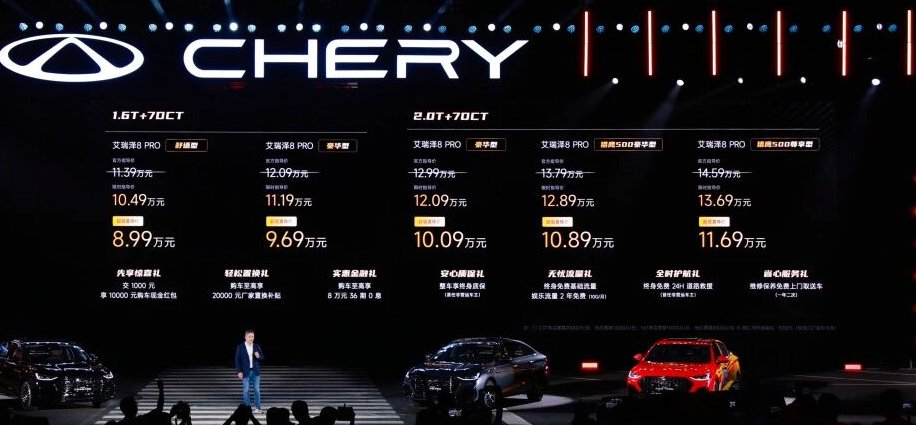
On August 10, the 2027 Arrizo 8 PRO was officially launched, with 5 models: 1.6T Comfort, 1.6T Luxury, 2.0T Luxury, 2.0T Falcon 500 Luxury, and 2.0T Falcon 500 Premium.
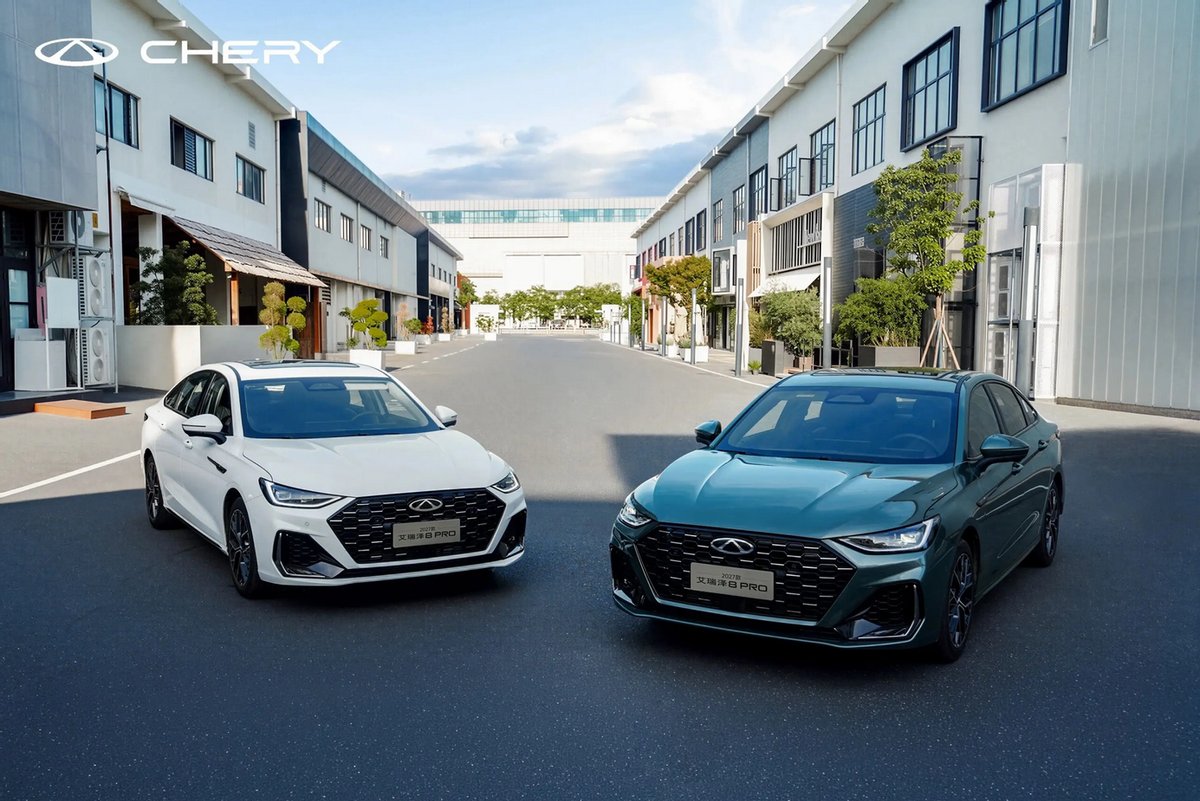
The exterior changes are mainly concentrated in the front fascia, where the hexagonal grille has increased in size and features dot-matrix chrome decoration inside. The side profile and rear of the body have not changed much, and the body dimensions remain 4780/1843/1469mm with a wheelbase of 2790mm.



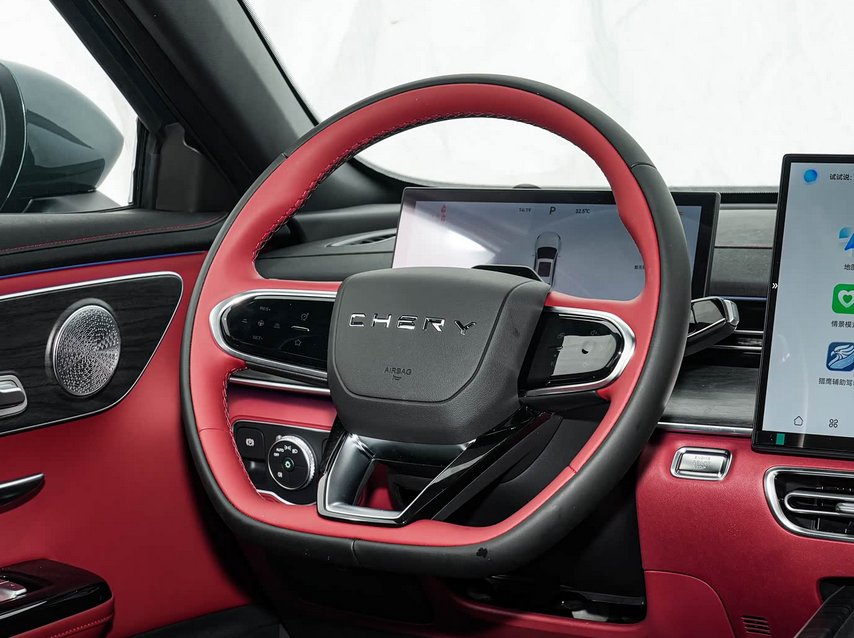
In the interior, the new car adopts an electronic column shifter design and is equipped with a 10.25-inch LCD instrument cluster and a 15.6-inch central control screen. The 2.0T Falcon 500 Luxury and 2.0T Falcon 500 Premium are equipped with the Qualcomm Snapdragon 8255 chip, while the other models are equipped with the Qualcomm Snapdragon 8155 chip.
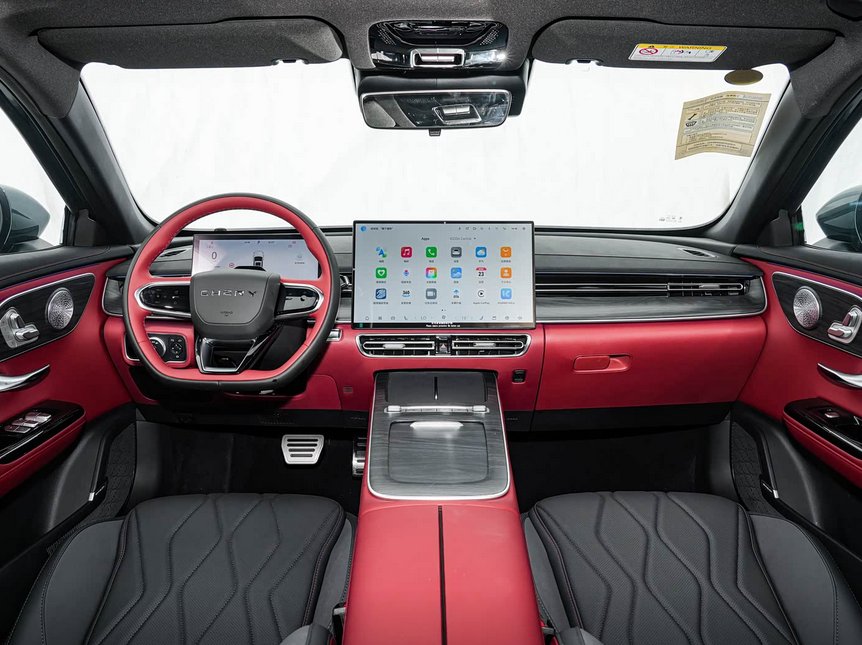
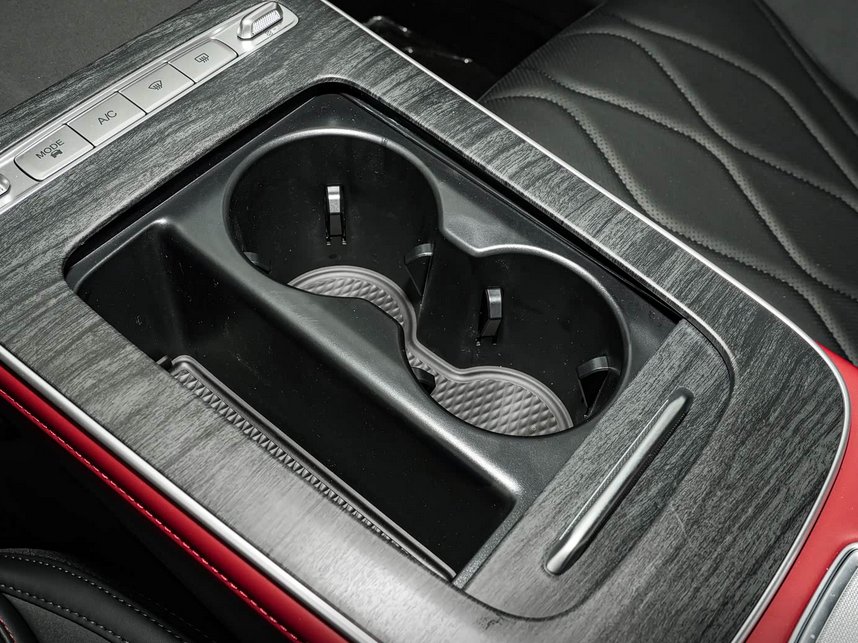
The cabin adopts a five-seat layout, with front seats featuring ventilation and heating functions. The 1.6T Luxury and 2.0T Falcon 500 Premium also provide massage and driver's seat headrest speakers.
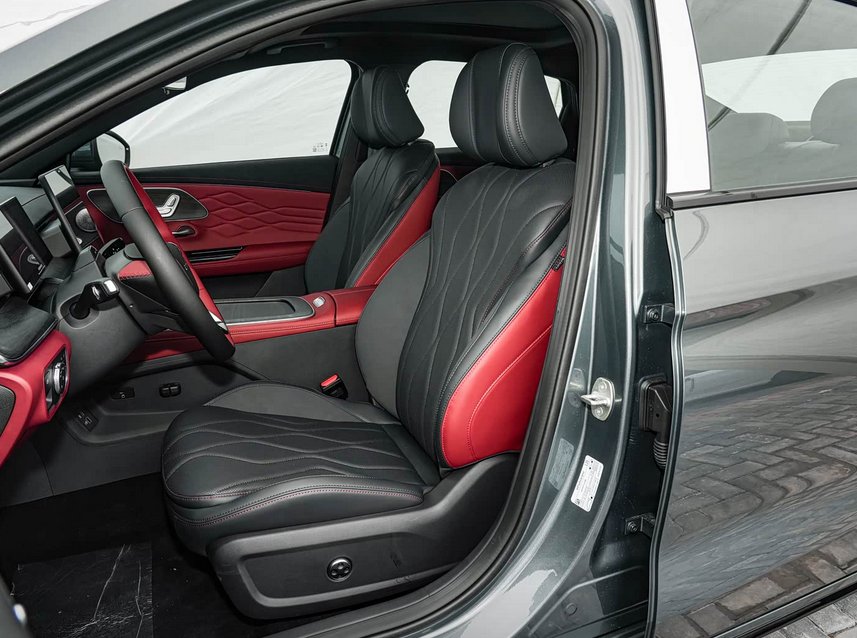
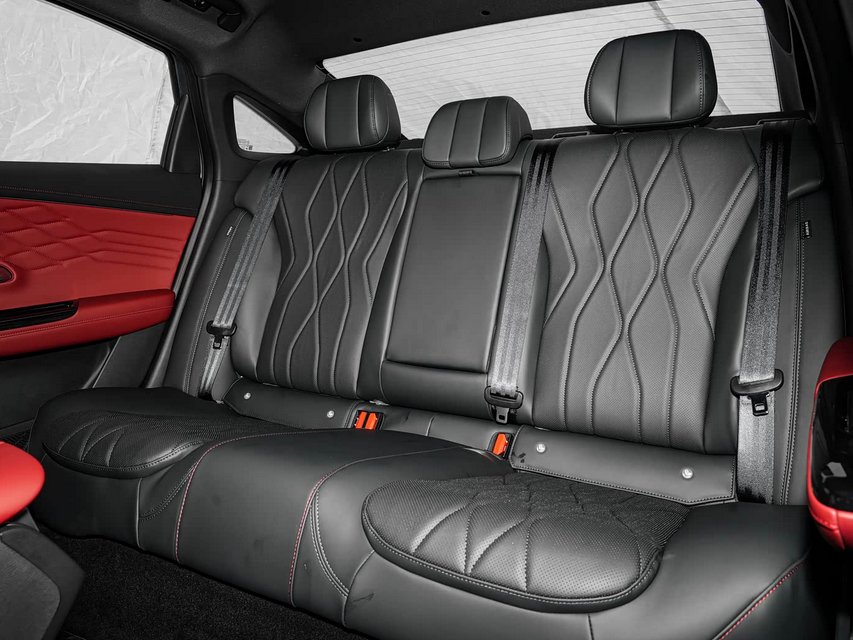
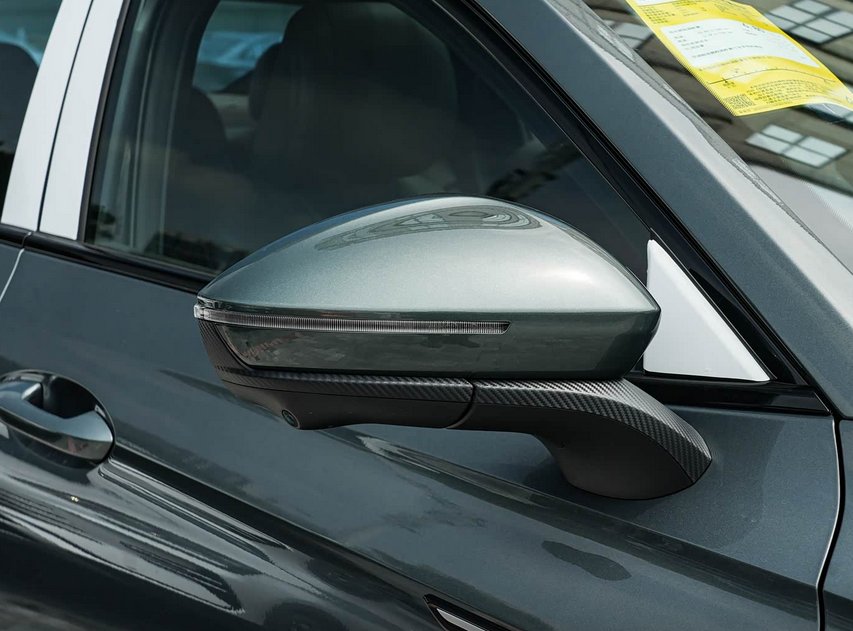
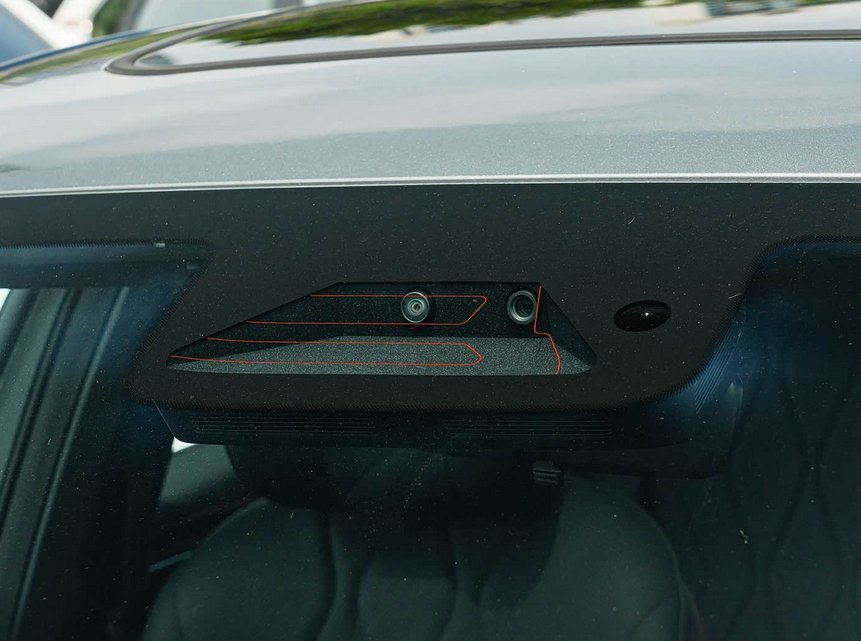
The 2.0T Falcon 500 Luxury and 2.0T Falcon 500 Premium are equipped with the Falcon 500 advanced driver assistance system, adopting a one-stage end-to-end large model and supporting highway NOA and APA intelligent parking assistance. The entire lineup comes standard with a 540° panoramic camera system.
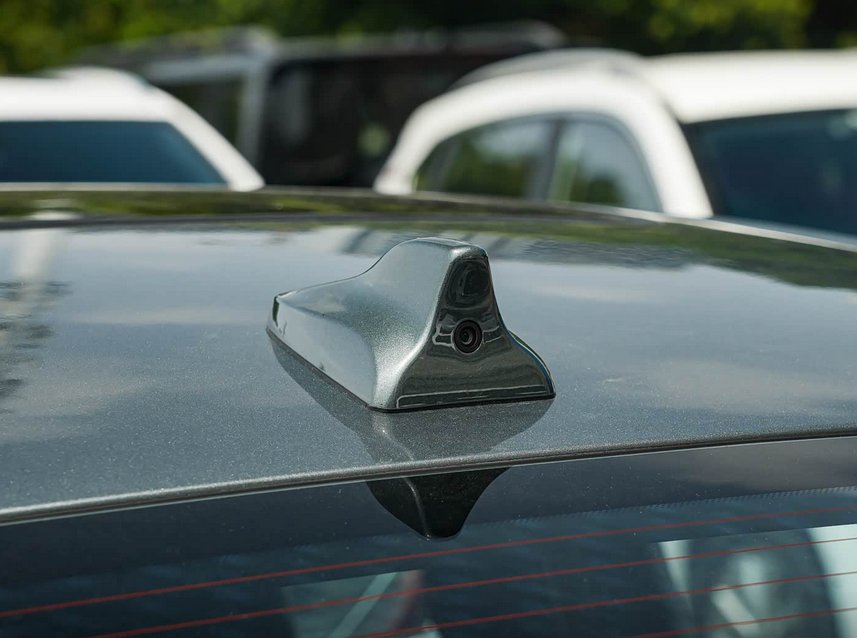
In terms of power, the new car offers 1.6T and 2.0T engines, both matched with a 7-speed wet dual-clutch transmission, with a fuel tank capacity of 55 L. The 1.6T engine has a maximum power of 147kW and a peak torque of 310N·m, with a WLTC combined fuel consumption of 6.5L/100km; the 2.0T version has a maximum power of 187kW and a peak torque of 390N·m, with a WLTC combined fuel consumption of 6.8L/100km.
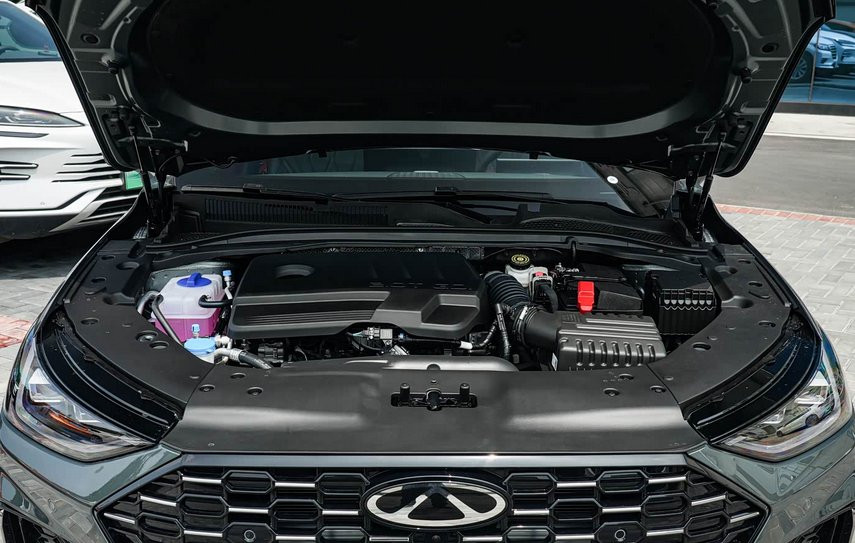
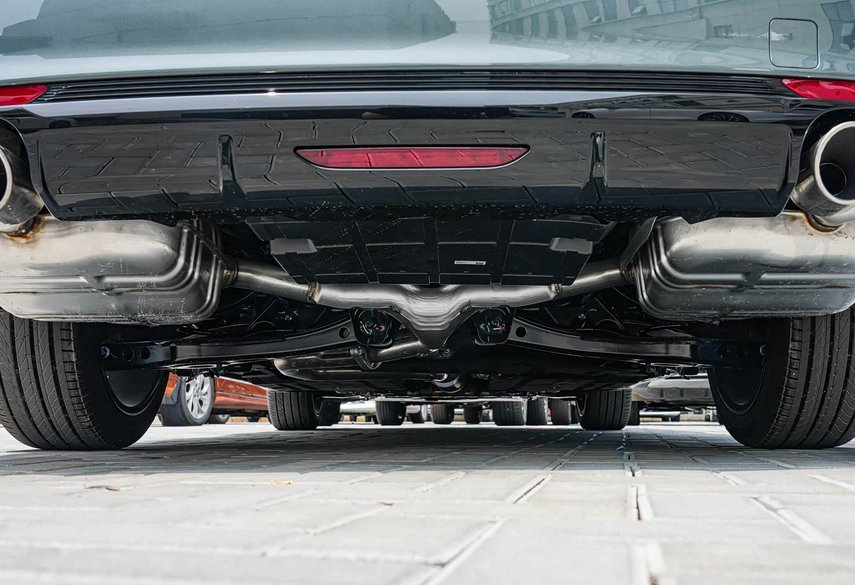
Xiao Tang's view: The 2027 Arrizo 8 PRO keeps core mechanical structures such as the powertrain and chassis unchanged, focusing upgrades on the intelligent cockpit and driver assistance. The "equal intelligence for gasoline and electric" strategy takes into account both the driving habits of existing fuel vehicle users and their demand for intelligent functions.