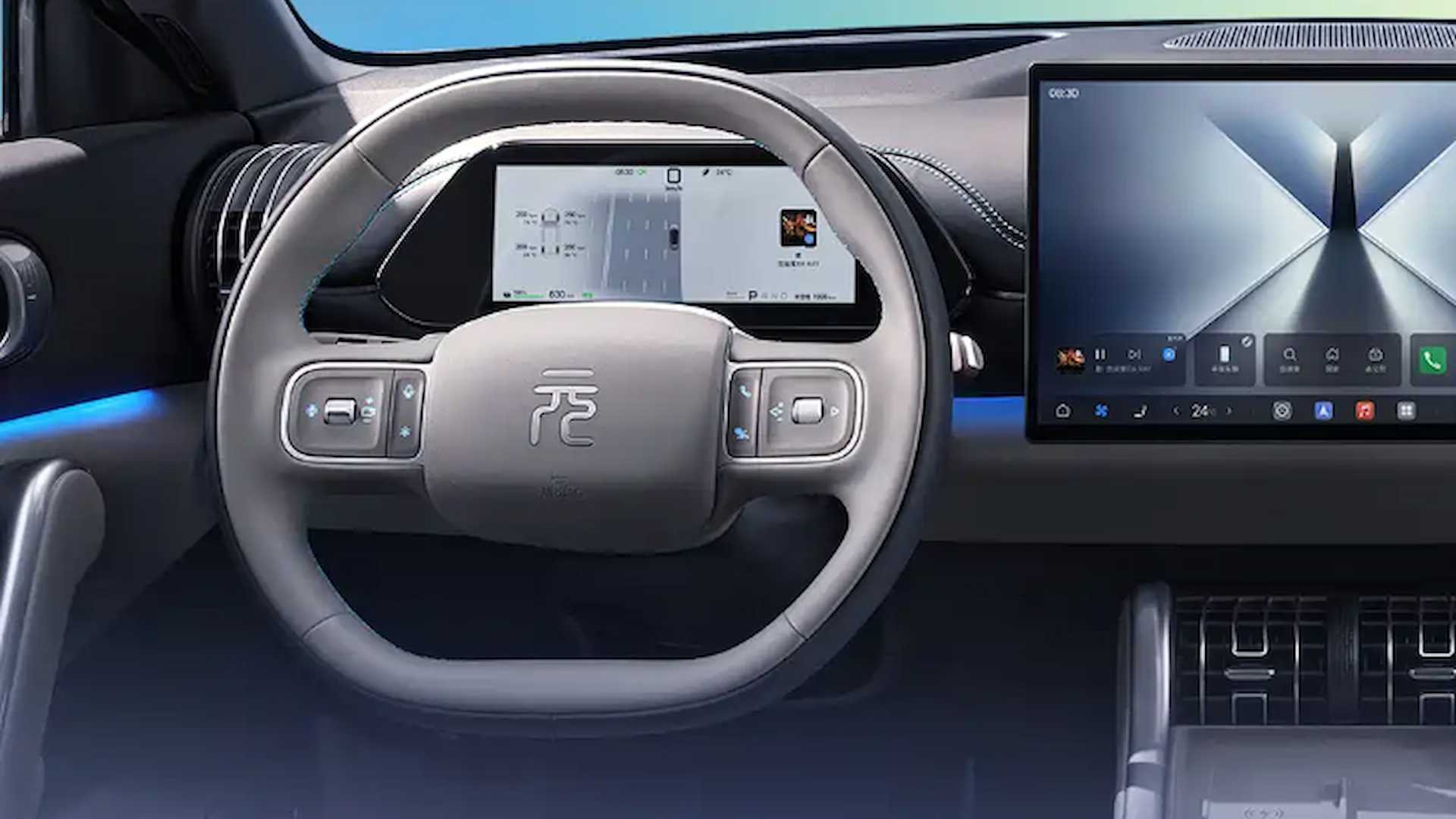
Recently, BYD officially released interior official images of the all-new Yuan PLUS, and there are quite a few highlights worth discussing properly.
Actually, this is a facelift model, a rear-wheel-drive pure electric platform, with the interior returning to rationality, plus flash charging technology.
And with these keywords laid out, you can probably guess the direction—this car is no longer obsessing over flashy gimmicks, but heading down a more mature and more practical path.
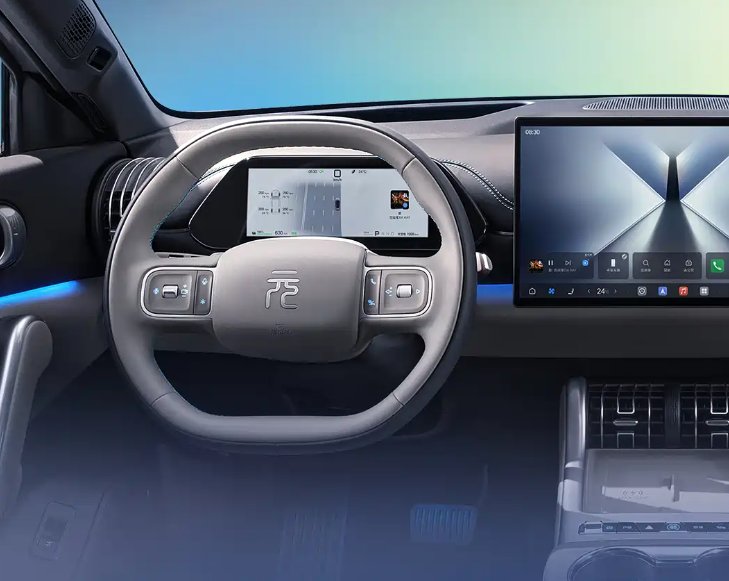
To be honest, BYD made a pretty bold cut this time, practically uprooting that controversial interior from back then, and what's gained is a set of daily-use tool attributes that are easier to get used to and less picky about people.
The old Yuan PLUS design—saying it wasn't fresh would definitely be a lie. But that's also where the problem lies: after the novelty wore off, many details started to become annoying.
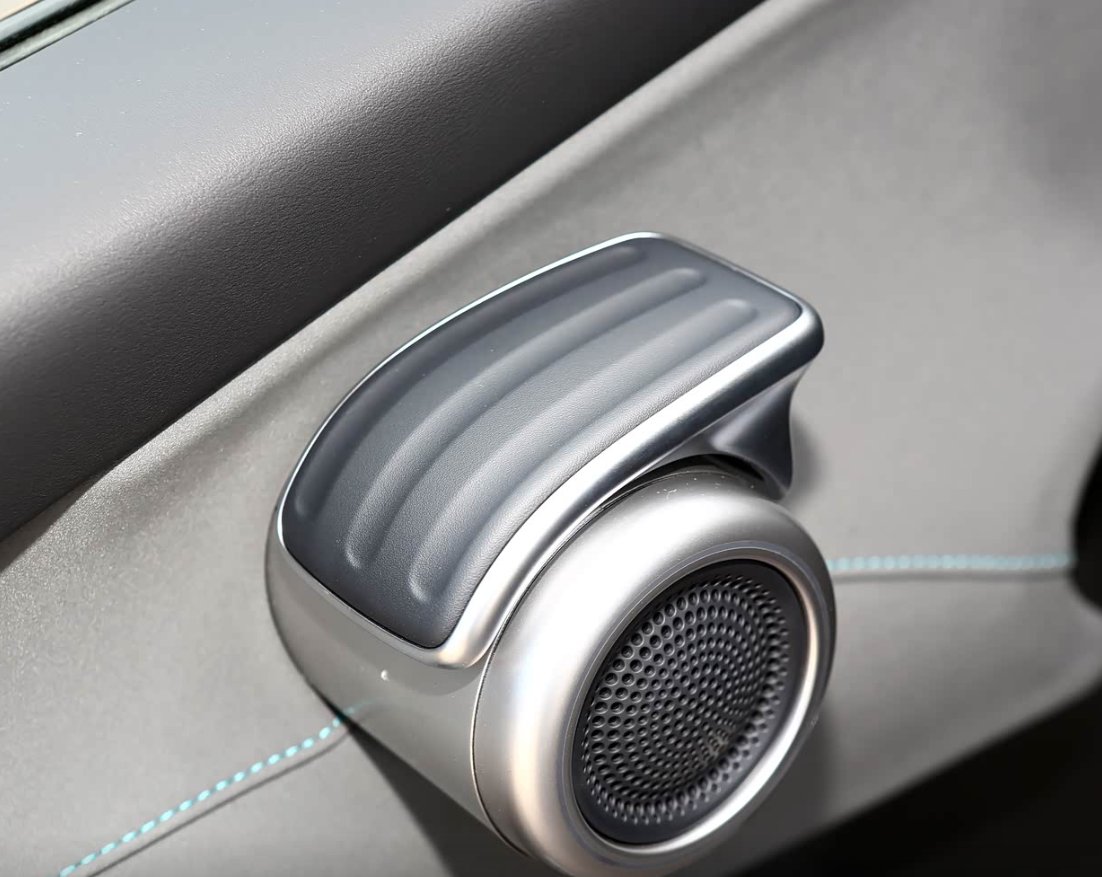
The door handle position is not intuitive, and friends getting in for the first time will most likely fumble around for quite a while. Think about it—for daily picking up and dropping off family members, isn't this design a bit unnecessary?
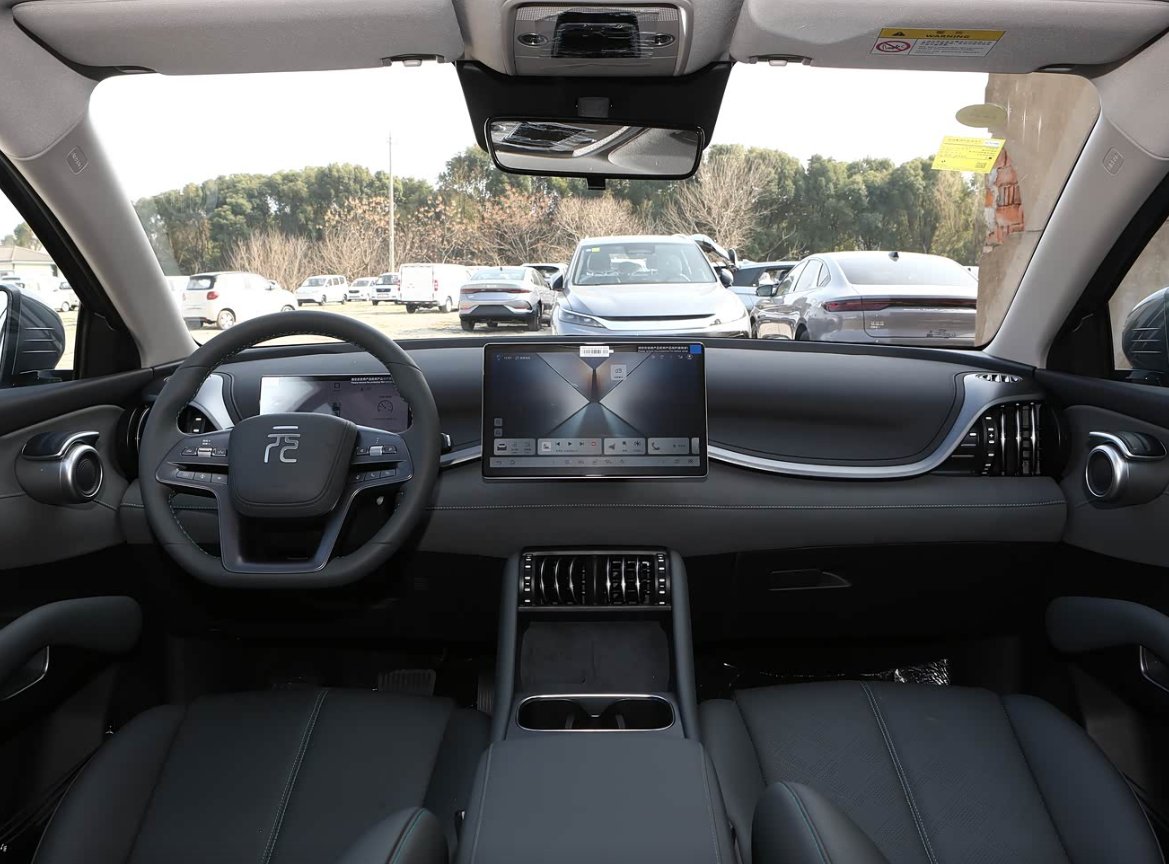
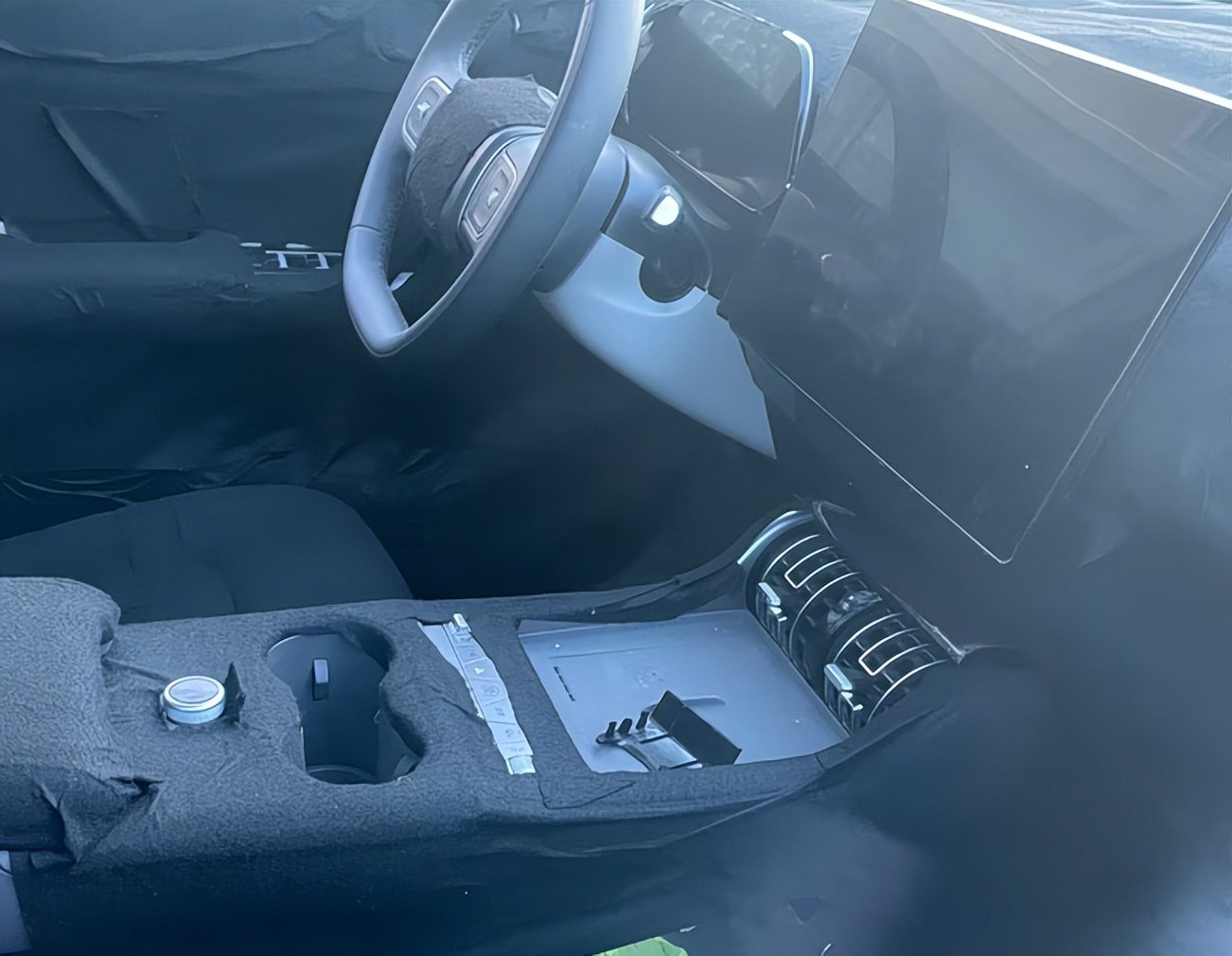
The new model directly returns to a mechanical structure—simple and rough but very effective. The center console no longer uses complicated curves either; it's all horizontal and vertical lines, with functions reorganized in order.
The ambient lighting is still there, but it doesn't steal the show—it's more about setting a mood when driving at night. Not bad.
Looking at the interaction side, the instrument screen getting bigger is actually not just about appearances. When weaving through the city, surrounding traffic information is synced directly on the screen—this enhanced perception is especially friendly to new drivers.
Plus the head-up display means your eyes don't need to look down frequently, which on highways or expressways means one less distraction equals one less risk.
The steering wheel has been changed to a two-spoke style—grip feel still needs to be tested in person, but simplifying the buttons is a good thing, making blind operation smoother.
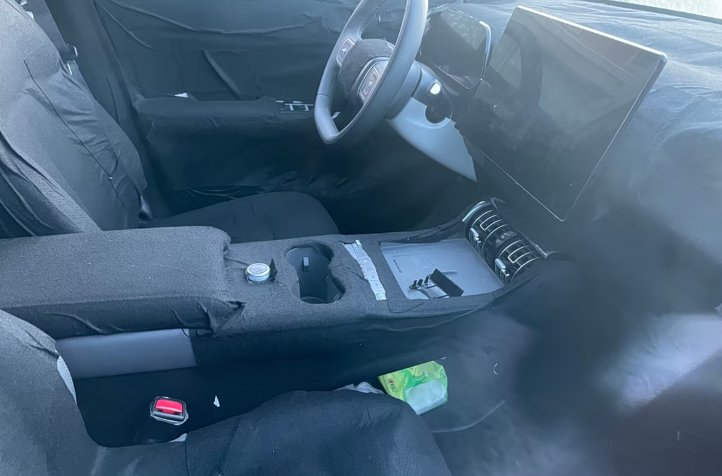
The addition of a column shifter is quite interesting. If you're used to a traditional gear lever, it might feel awkward at first, but after a few days you'll find that the freed-up space under the center console is truly great.
Wireless charging is placed right there—just set your phone down and you're good.
Physical buttons haven't been completely axed—I have to give credit where it's due. Many cars nowadays stuff everything into the screen, which looks high-tech but isn't necessarily comfortable to use. The Yuan PLUS has shown some restraint here.
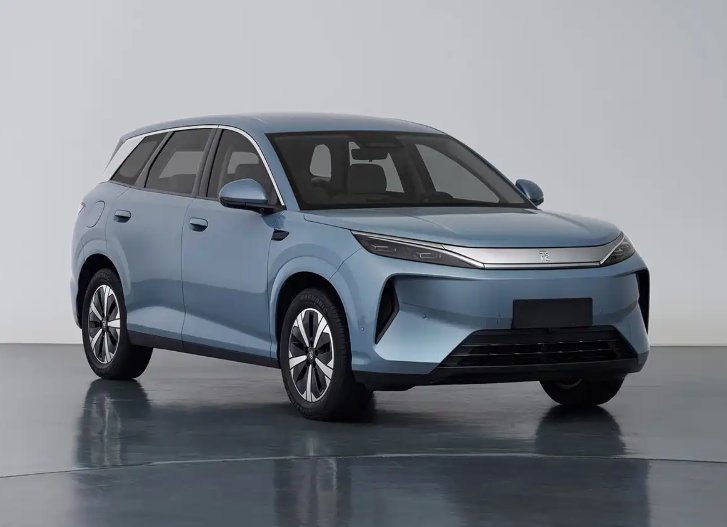
The exterior this time is a grow-on-you type of adjustment. The headlights are slimmer and longer, and the black background design gives the front face more spirit without being overly aggressive.
The front bumper opening has more layering, and the visual center of gravity is lowered a bit, so it doesn't look floaty on the road.
The side profile has been lengthened to 4665mm, with a wheelbase of 2770mm. That extra length, in real-world scenarios, translates to more comfortable rear knee room.
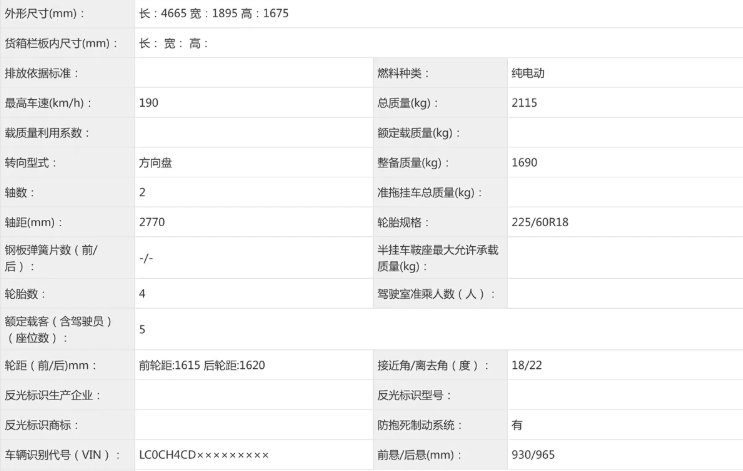
For a family of three going out, rear passengers won't have their legs pressed against the seats, and long trips won't be as tiring.
The D-pillar can be optioned in different colors—this kind of small personality touch is just right, unlike before when it was instantly memorable but also easily tiresome.
Through-type taillights are common now, but the flowing light source illumination effect has decent nighttime recognition—at least it won't easily get lost in traffic.
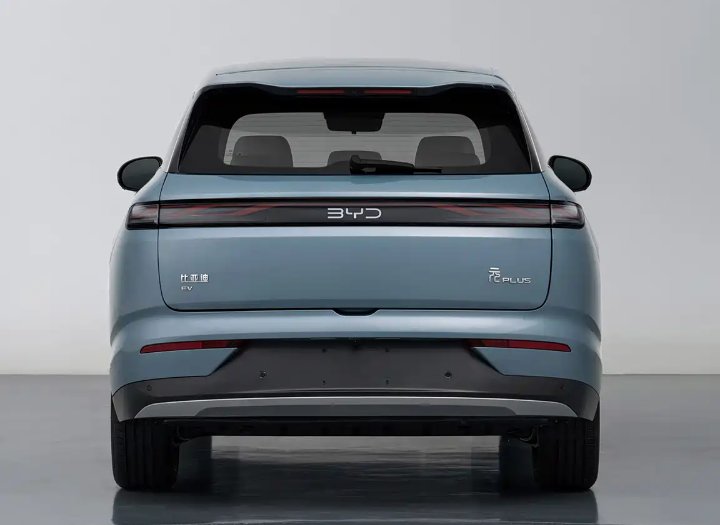
The key point is still this rear-wheel-drive platform. Don't underestimate the change from front-wheel drive to rear-wheel drive. For daily city starts, rear-wheel power delivery is more direct, the steering wheel is lighter, and you don't have to fight torque steer while accelerating.
Especially in rain or on underground garage slopes, front-wheel drive sometimes slips, while rear-wheel drive is actually more stable.

Two versions of 200 kW and 240 kW—the on-paper numbers don't look exaggerated. Imagine a scenario: at 100 km/h on the highway, pressing further for an overtake—is it crisp? That's the difference.

The Blade Battery continues to be used, and it's a new-generation version—safety is an old topic, so I won't elaborate.
More importantly, flash charging—if you frequently drive long distances, this thing is a lifesaver.
Previously you'd have to plan charging for ages; now with improved replenishment efficiency, the travel rhythm will be much more relaxed.
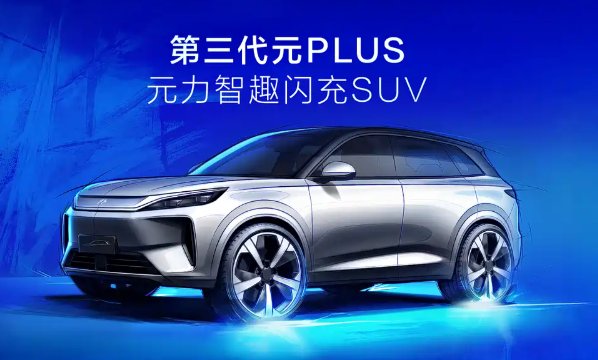
Of course, actual speed still depends on charging station conditions—don't set expectations too high on this point, as environments differ considerably at home and abroad.
The market position is actually changing too. Previously the Yuan PLUS was more like a young person's first EV; now with these adjustments, it leans more toward being the main family commuter.
It no longer tries to please everyone with design, but instead solidifies usability, space, and driving quality.

If you must ask whether it's worth it, it depends on what you care about more.
If you like cars that are stunning at first glance with design touches everywhere, this generation might feel like it's lost some flavor.
Conversely, if you value ease of driving every day and comfort for family passengers, then this shift is actually quite sincere.


