Starting in 2014, the state exempted new energy vehicles from purchase tax entirely to promote them. This policy lasted all the way to December 31, 2025—a full 11 years.
In two months, starting January 1, 2026, the purchase tax on new energy vehicles will change. From the current full exemption, it will become a halved levy, with a cap: a maximum reduction of 15,000 yuan per vehicle, and anything beyond that must be paid out of pocket.
In addition, plug-in hybrids must have a pure electric range of at least 100 kilometers to qualify for the reduction; previously it was only 43 kilometers. With this cut, a large number of cars currently on sale will directly fail to enter the reduction catalog next year.
In 2026, new energy vehicle subsidies will be halved and the threshold raised. This round of subsidy policy pullback is because the current new energy vehicle industry has already reached scale, and both technology and market are becoming mature. Policy no longer "spoon-feeds" the industry, but guides it toward higher quality and greater competitiveness.
Let's look at how several representative automakers are responding.
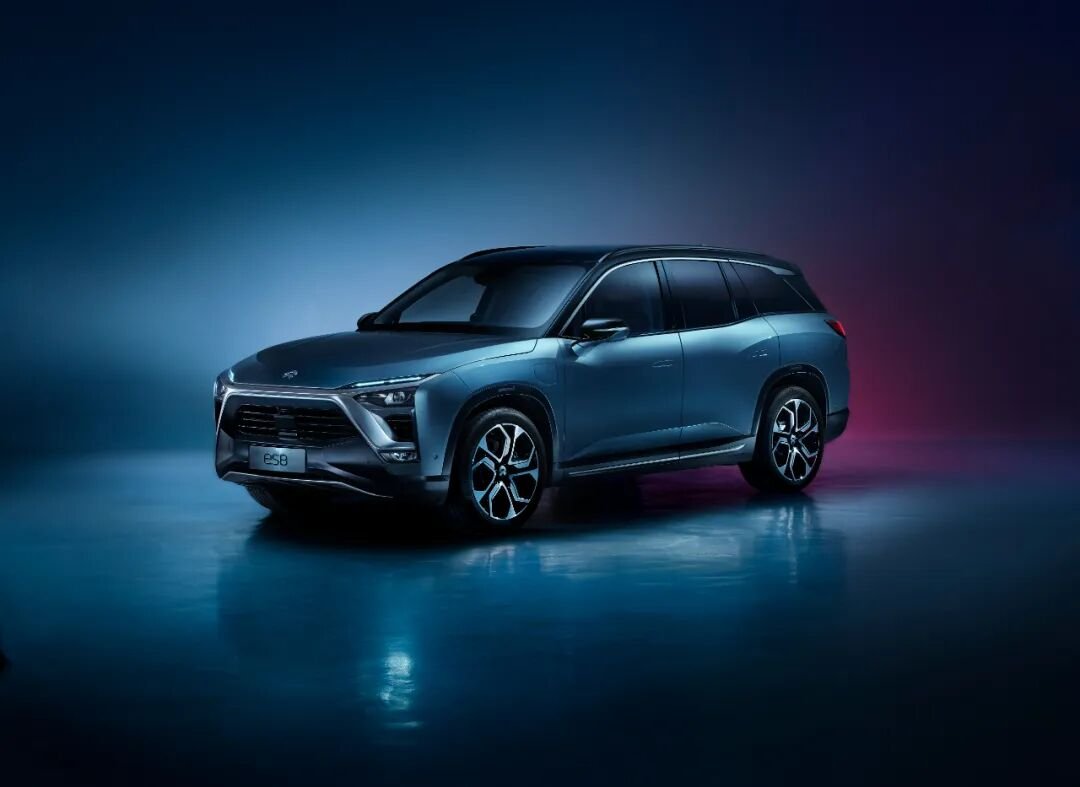
1. NIO: It launched a "purchase tax fallback subsidy," with the all-new ES8 promising a maximum subsidy of 15,000 yuan, thereby dispelling consumers' cost concerns and accelerating order lock-in by year-end.
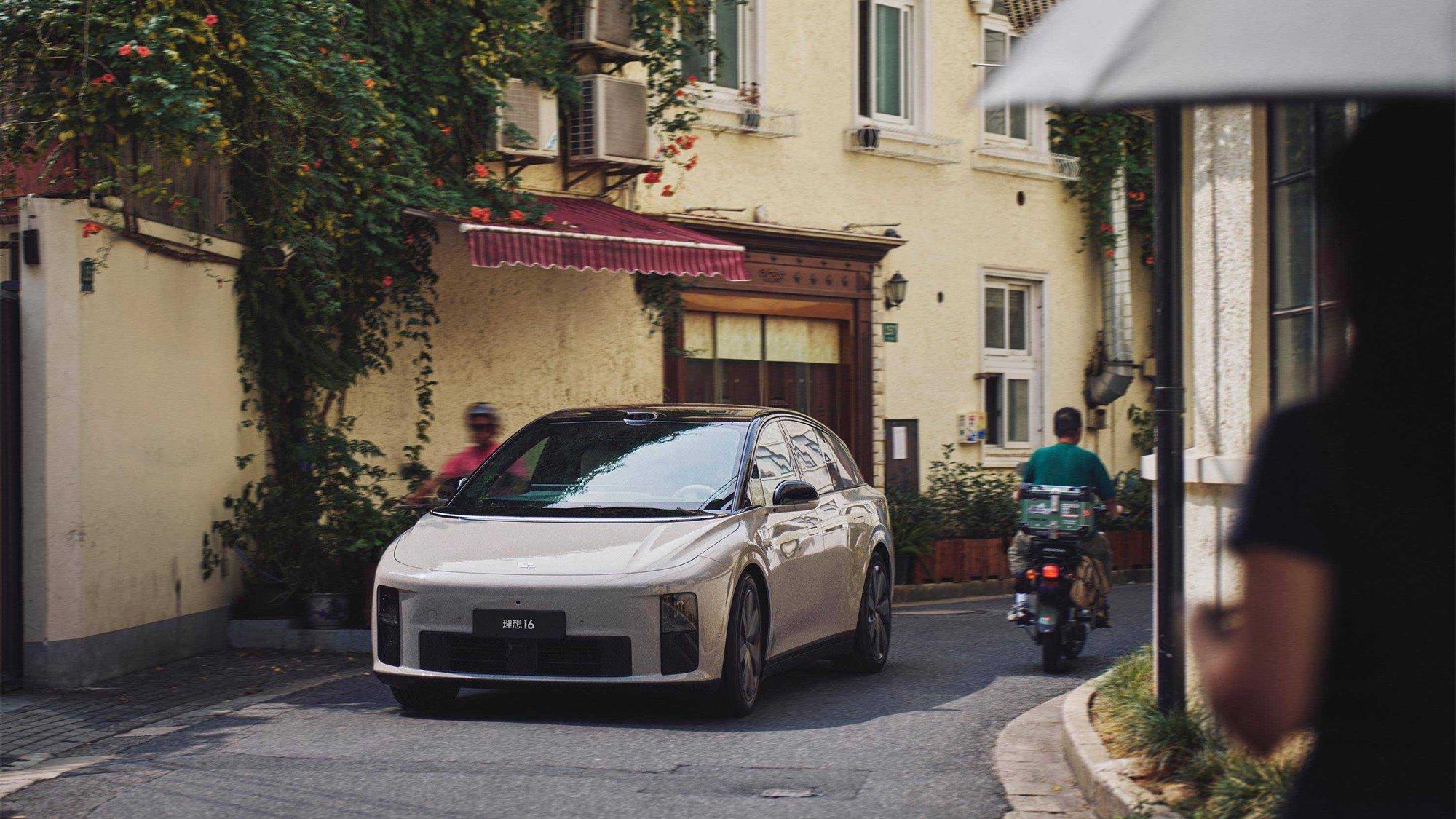
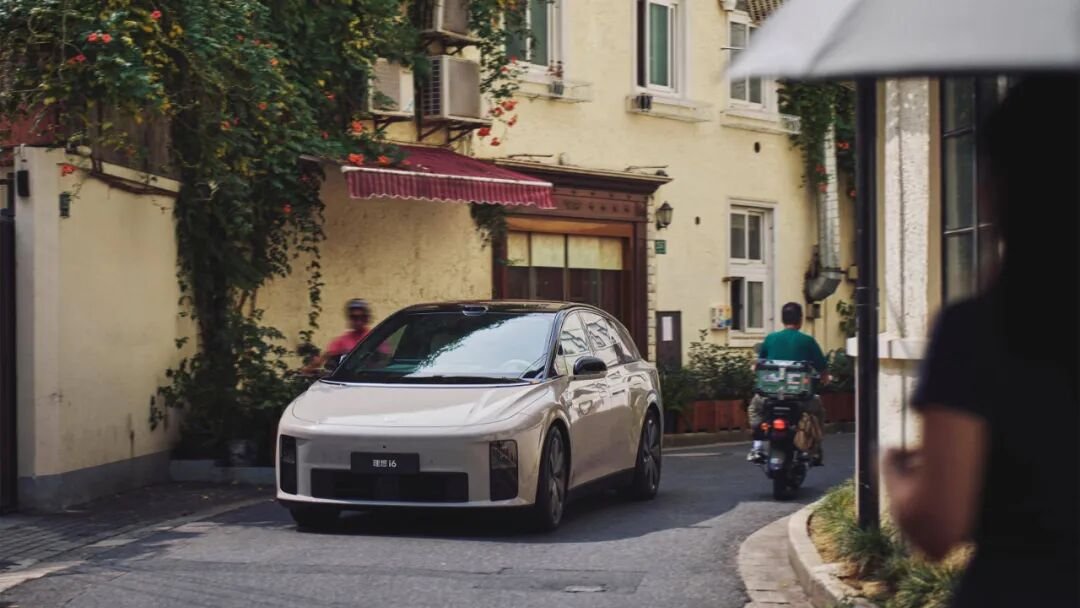
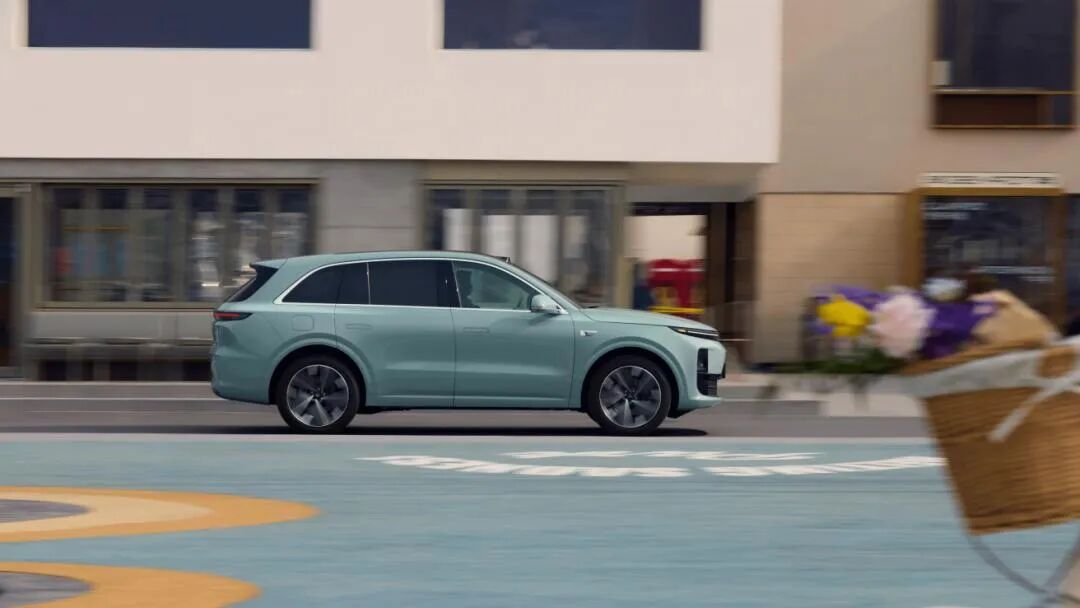
2. Li Auto: For users taking delivery across the new year, the Li i6 bears the full difference, ensuring that users taking delivery in 2026 can still enjoy a purchase tax benefit equivalent to that of 2025.
3. Zeekr: At the launch of the Zeekr 9X, Zeekr introduced a "dual guarantee." Users who lock in orders before October 31, 2025 can enjoy a purchase tax difference subsidy, effectively boosting sales of the model.
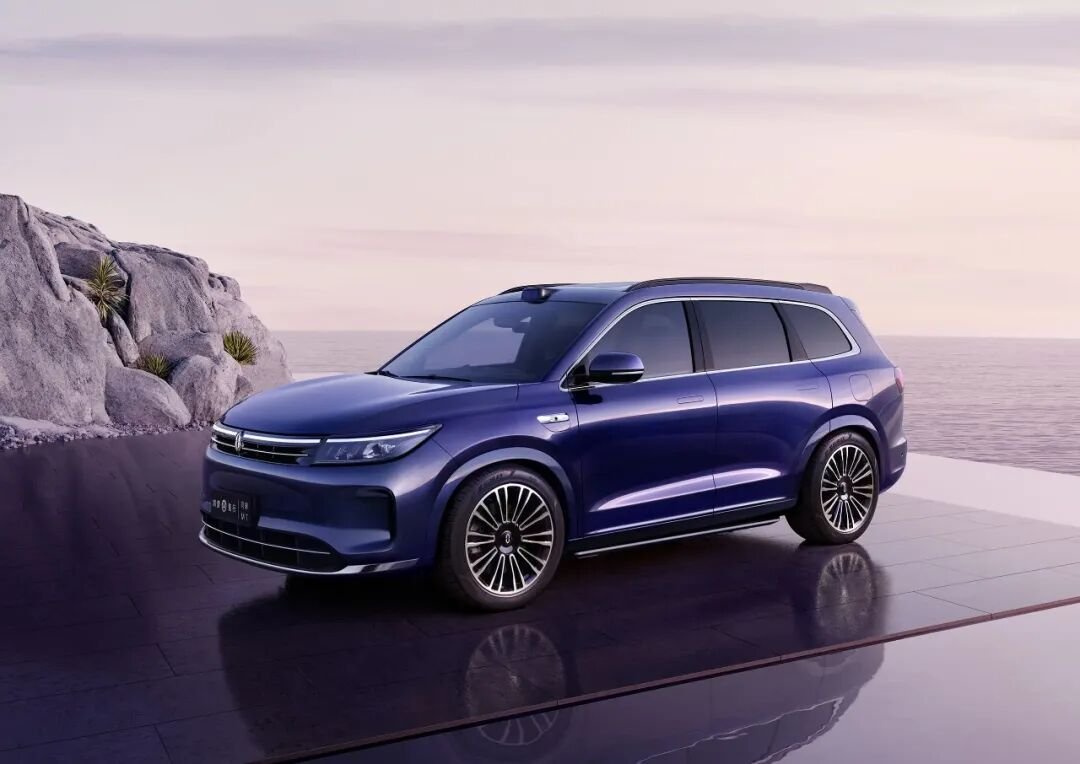
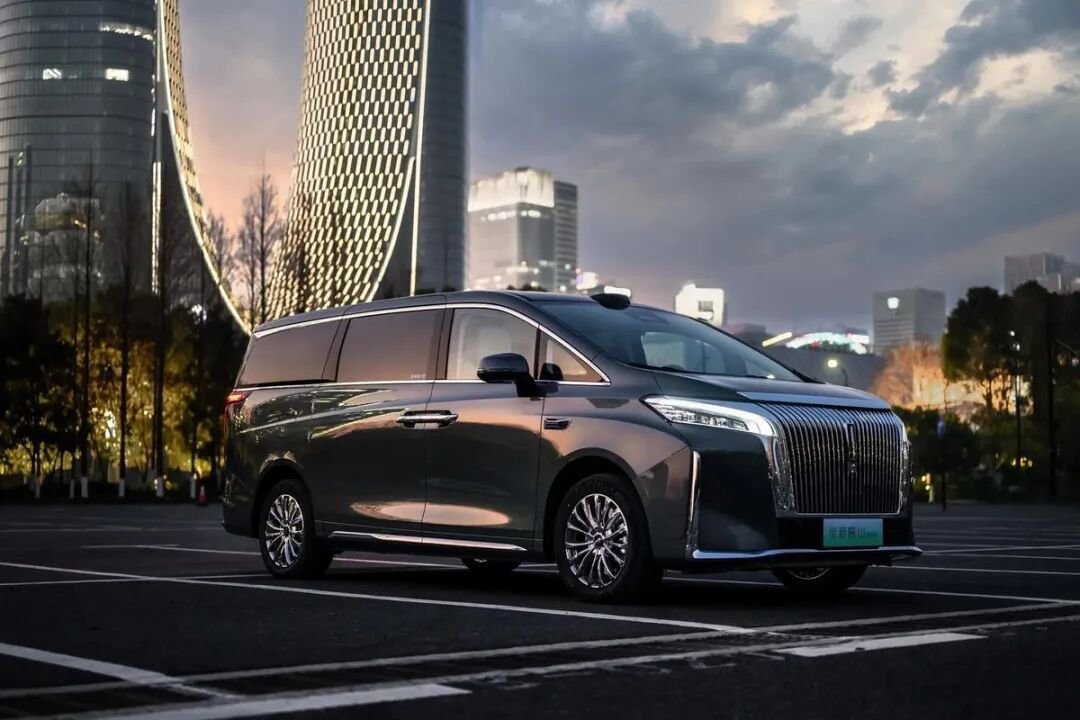
4. HIMA (Harmony Intelligent Mobility Alliance): Models such as the AITO M7 and Luxeed R7 offer a purchase tax subsidy of up to 15,000 yuan to attract consumers to lock in orders before year-end.
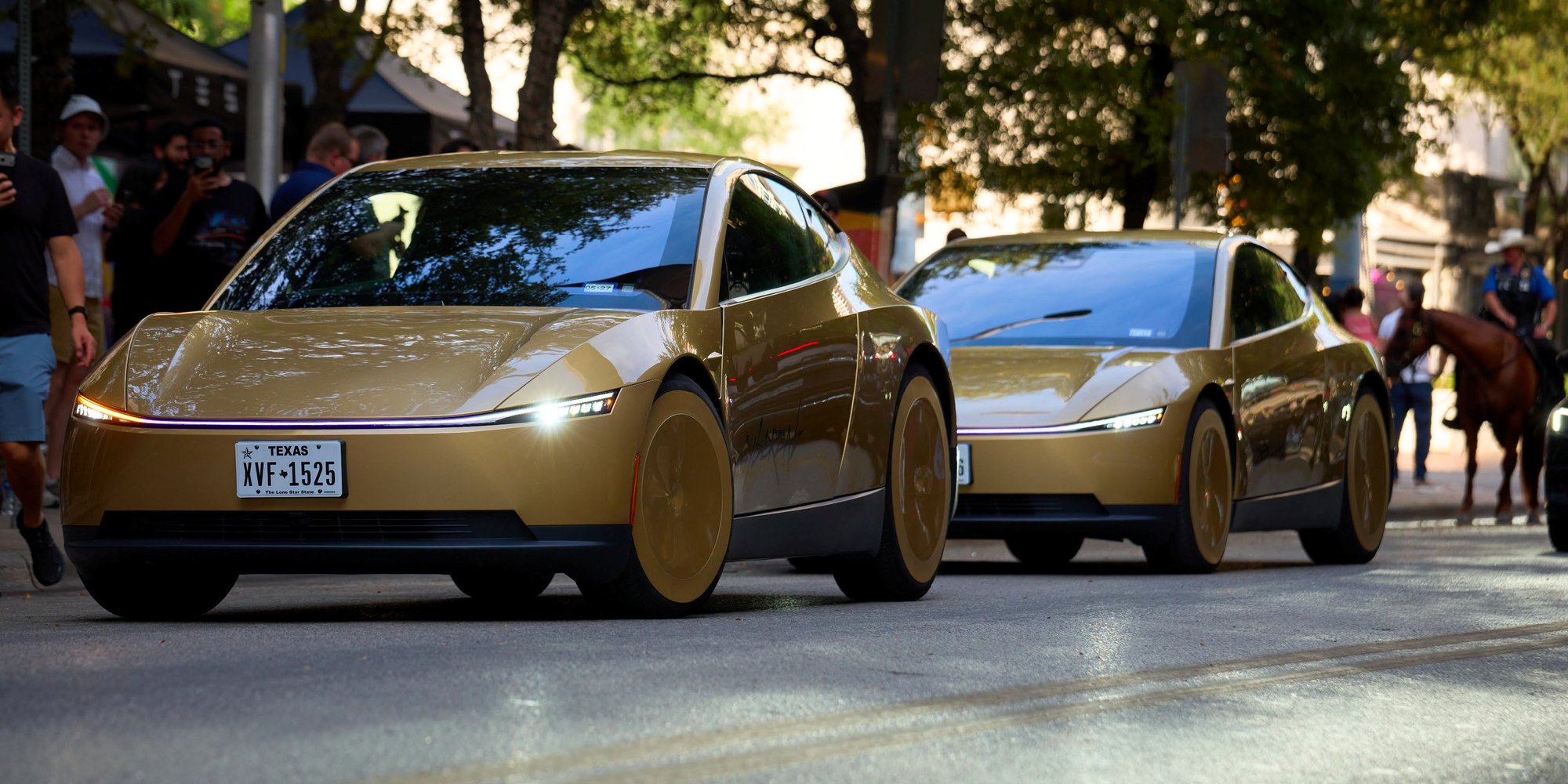
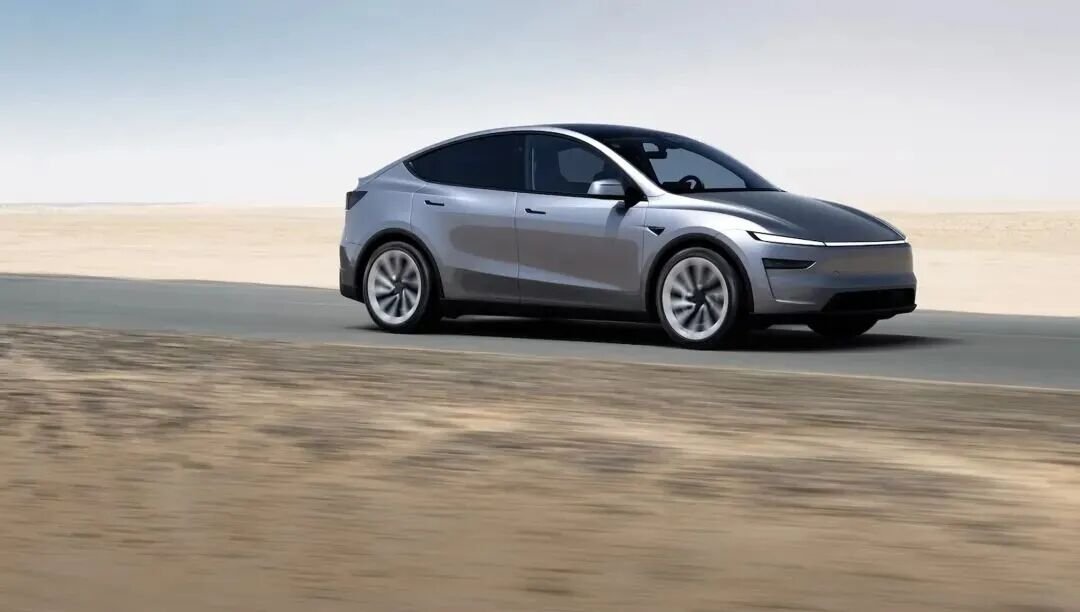
5. Tesla: On September 29, it marked on its official website that "buying in 2026 requires paying 11,600 yuan more," making price changes transparent so consumers can understand changes in purchase costs in advance, forcing other brands to follow suit.
6. BYD: Facing the new requirement that plug-in hybrid/extended-range vehicles must exceed 100 km of range, it is accelerating the launch of new models that meet the standard, while clearing out year-end inventory of older stock that does not meet the standard.
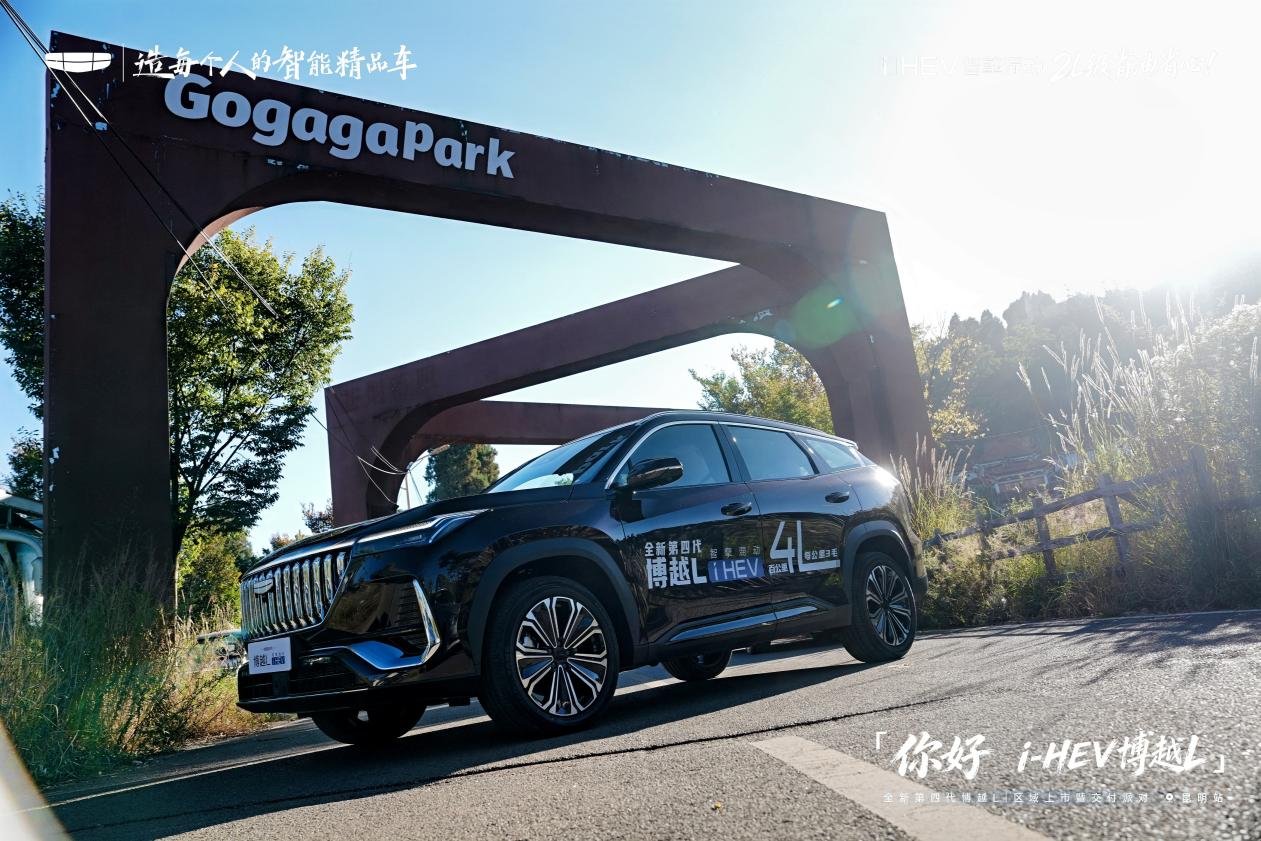
7. Geely: Models such as its Galaxy series may need technical adjustments for the new rules, improving performance indicators such as the range of plug-in hybrid models to meet the subsidy threshold.
8. Great Wall: It is increasing investment in technology R&D to improve the performance and energy efficiency of new energy vehicles, while optimizing its product structure, launching more mid- and low-end models that meet policy requirements, and improving cost-effectiveness.
9. Deepal: It launched a purchase tax guarantee plan, following the subsidy policy, with a maximum subsidy amount reaching the policy ceiling of 15,000 yuan, to stabilize consumer purchasing confidence.
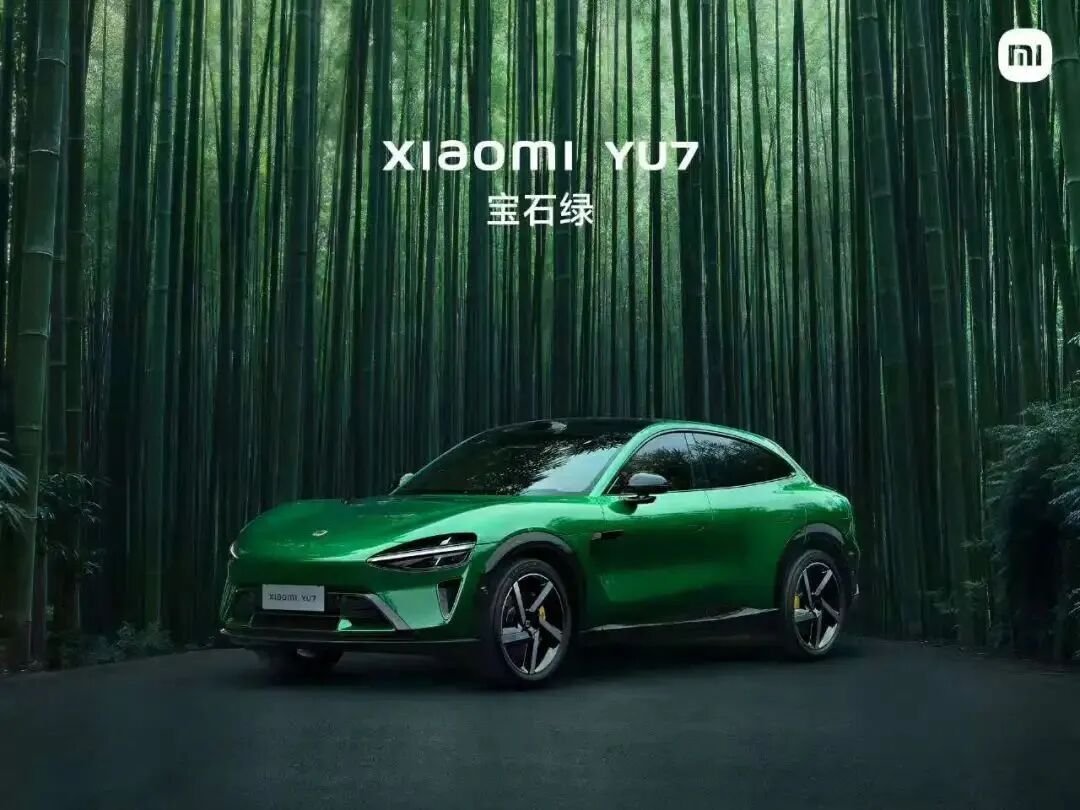
10. Xiaomi: It is expected to follow other brands' purchase tax subsidy policies to attract consumers to buy its new energy vehicle products, though the specific subsidy plan may still need to be further announced.