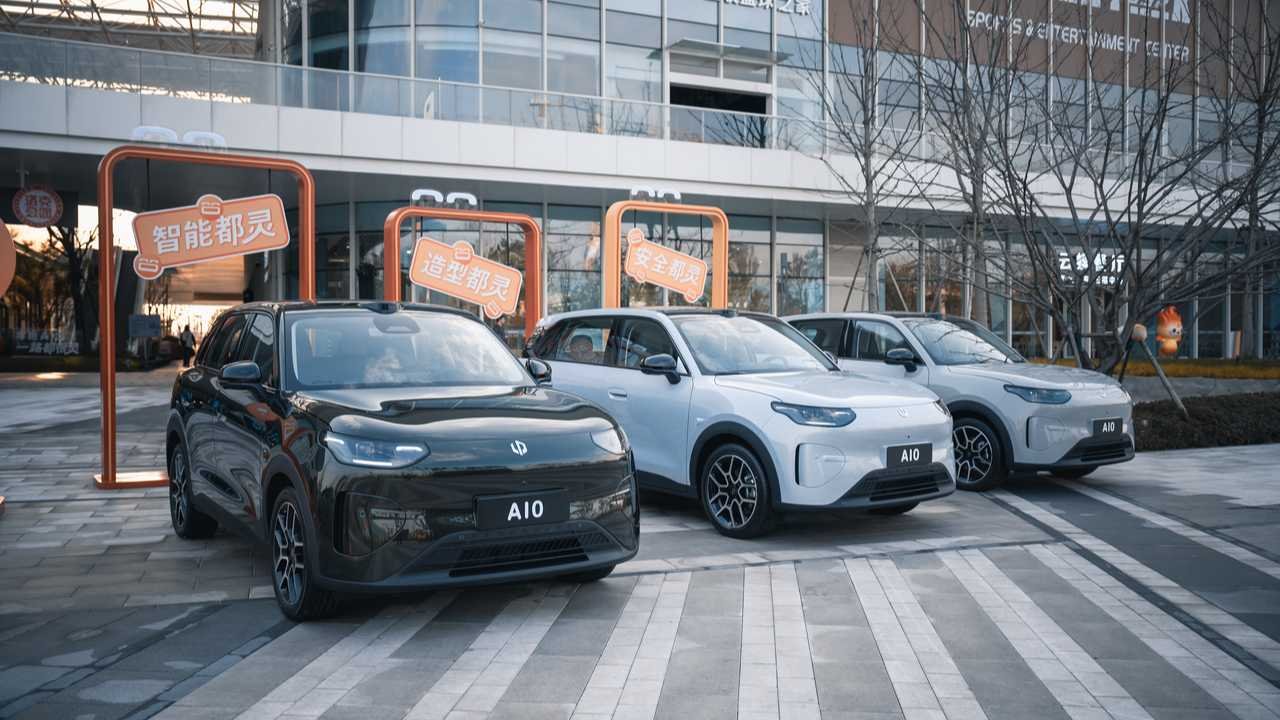
The just-passed March 2026 was probably the busiest month in the entire auto industry. With over 70 events and more than 60 new models, just memorizing the names could take half a day. Under this kind of near hand-to-hand combat intensity, the entry of the Leapmotor A10 stirred up waves in this segment. Some in the market were busy holding celebrations to ride the hype, some stayed up all night revising prices and adjusting configurations, and even lower-profile rivals simply called out the Leapmotor A10 by name for a head-on showdown.
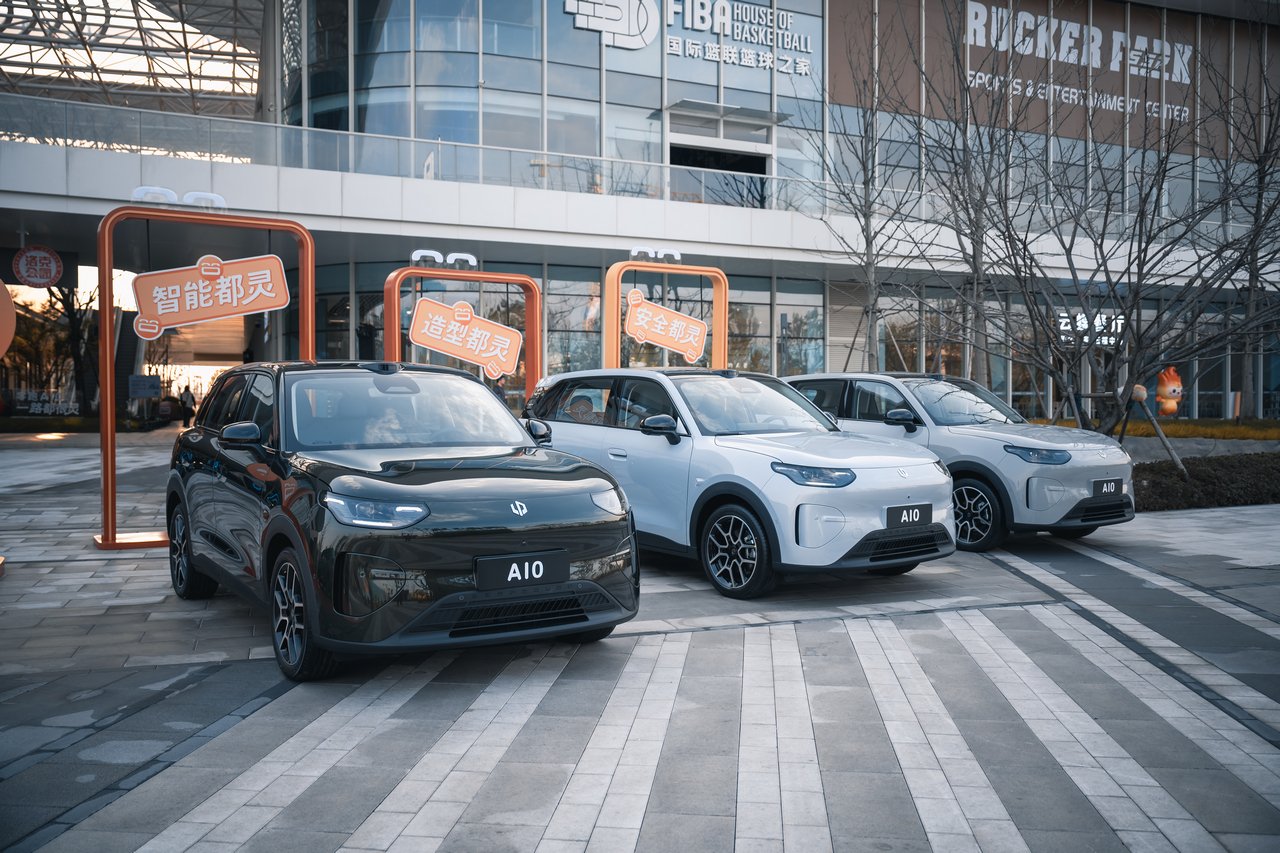 To be honest, I was not surprised at all when I saw this scene. It is just like the Highlander and Tesla back in the day—which one was not surrounded by the entire industry and treated as a benchmark to beat? Being watched by so many people precisely shows the market position of the Leapmotor A10.
But friends who are preparing to spend money, do not just listen to automakers and media hype things up to the skies. After all, marketing noise ultimately cannot replace product experience. Whether the Leapmotor A10 is really any good, we still need to study it carefully. Is it really as "capable" as the official claims? In your specific current用车 scenario, is it worth buying?
Question 1: Can assisted driving at the 80,000-yuan level actually work?
Even for a conservative "veteran driver" like me, after a period of wavering, my attitude toward intelligent assisted driving has gone from dismissive to amazed. Even though Leapmotor's past models have performed quite well in intelligent driving, seeing the Leapmotor A10 bring lidar, the Qualcomm 8295 cockpit chip, and the 8650 intelligent driving chip into 80,000-yuan-level models still made me a bit uneasy. Even if mature solutions can be reused at the software level, the cost pressure on hardware is still very real.
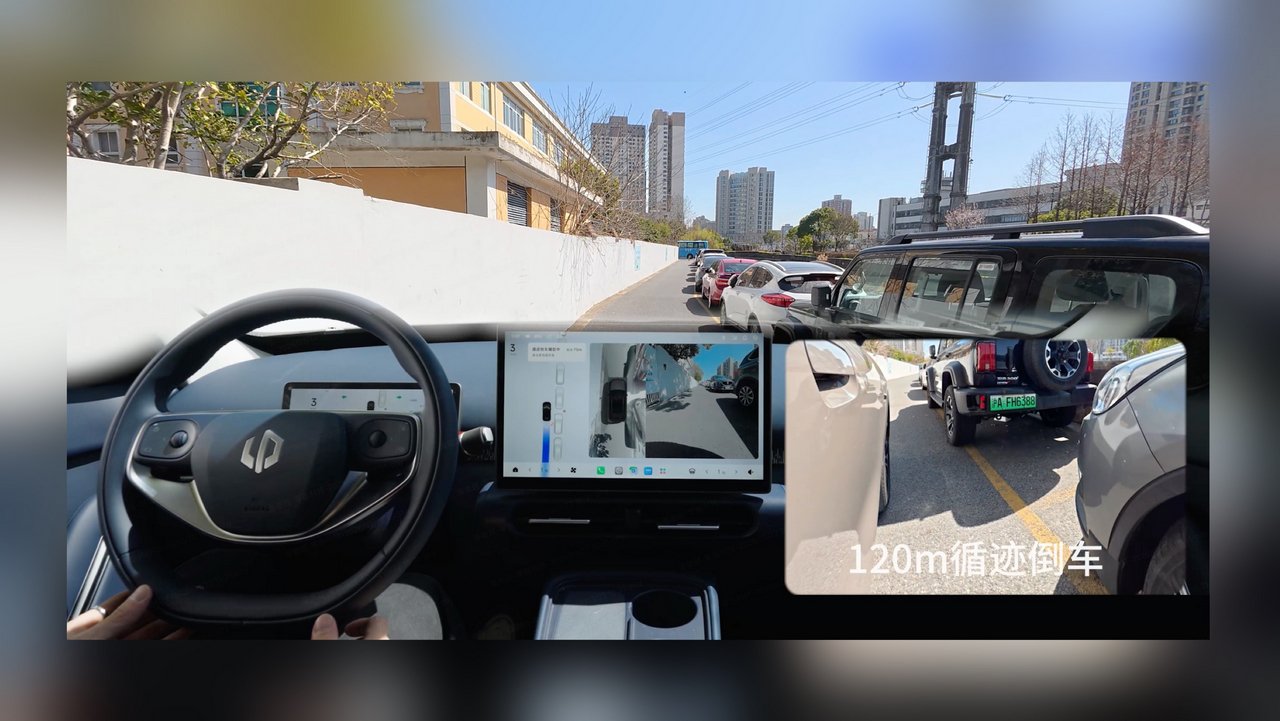 In actual experience, whether it was 120m trace reverse driving on narrow roads or "parking spot to parking spot" hands-free parking, the Leapmotor A10 performed quite well. In addition, its body size, which precisely fits urban road conditions, further amplifies the advantages of intelligent assisted driving in extreme scenarios such as old residential communities and narrow-road passing.
So my suggestion is: whether or not you are considering this type of vehicle, it is worth going to a store to experience it yourself. When you watch this car priced at more than 80,000 yuan perform those high-level maneuvers, you will have a more concrete understanding of the phrase "technology equality."
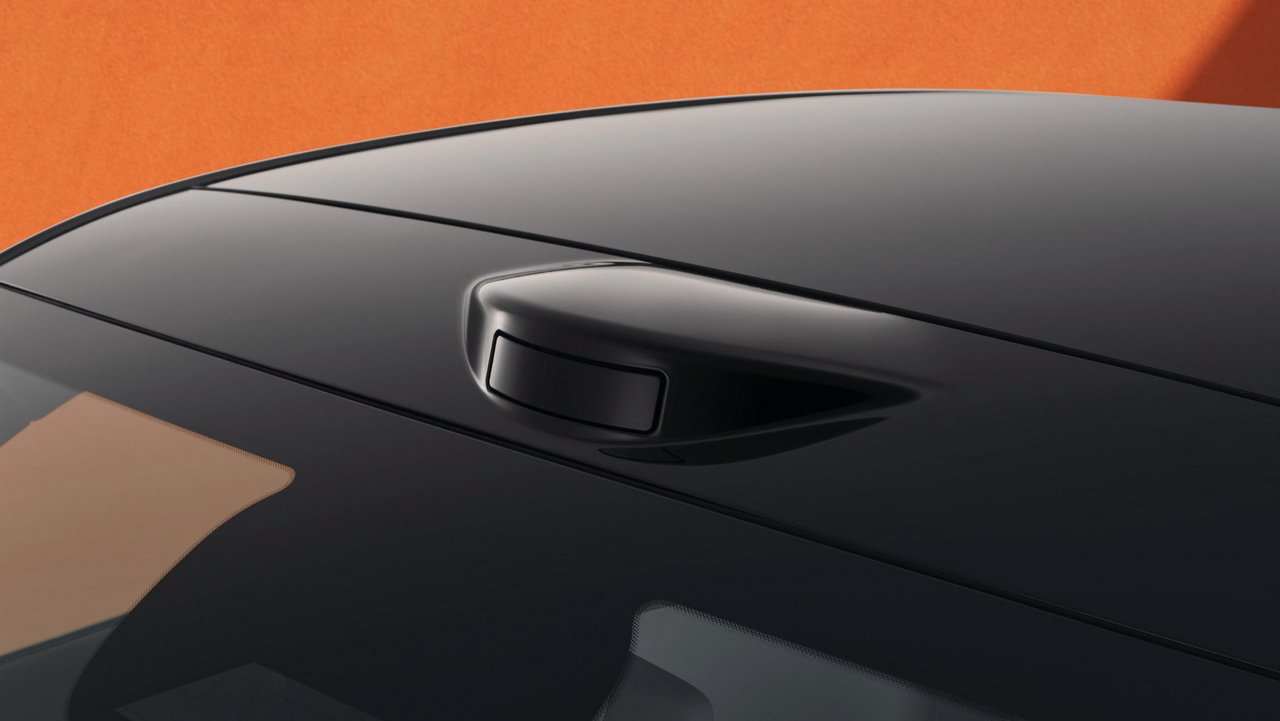 A colleague who experienced it with me also sighed at this point: "Lidar + 8650 + 8295—a few years ago, you would not even dream of this hardware combination for under 200,000 yuan."
Question 2: Does intelligent driving plus a low price mean cheapness?
The demand for "want this, want that, and want more" is normal, but we also rationally know that achieving low price, reliable quality, and premium texture is very difficult. Specifically for the Leapmotor A10, everyone also has very practical concerns: within the limited cost of the 80,000-yuan level, if the bulk of the budget is spent on intelligent driving areas such as lidar and dual Qualcomm chips, then do places related to "texture" such as the interior and chassis have to be forced to "subtract"?
On this point, you do not even need to visit a store to experience it. Take out your phone, browse real-world test videos and photos online, and check the configuration list, and the answer becomes clear. (Of course, looking and touching in person will definitely be more intuitive.)
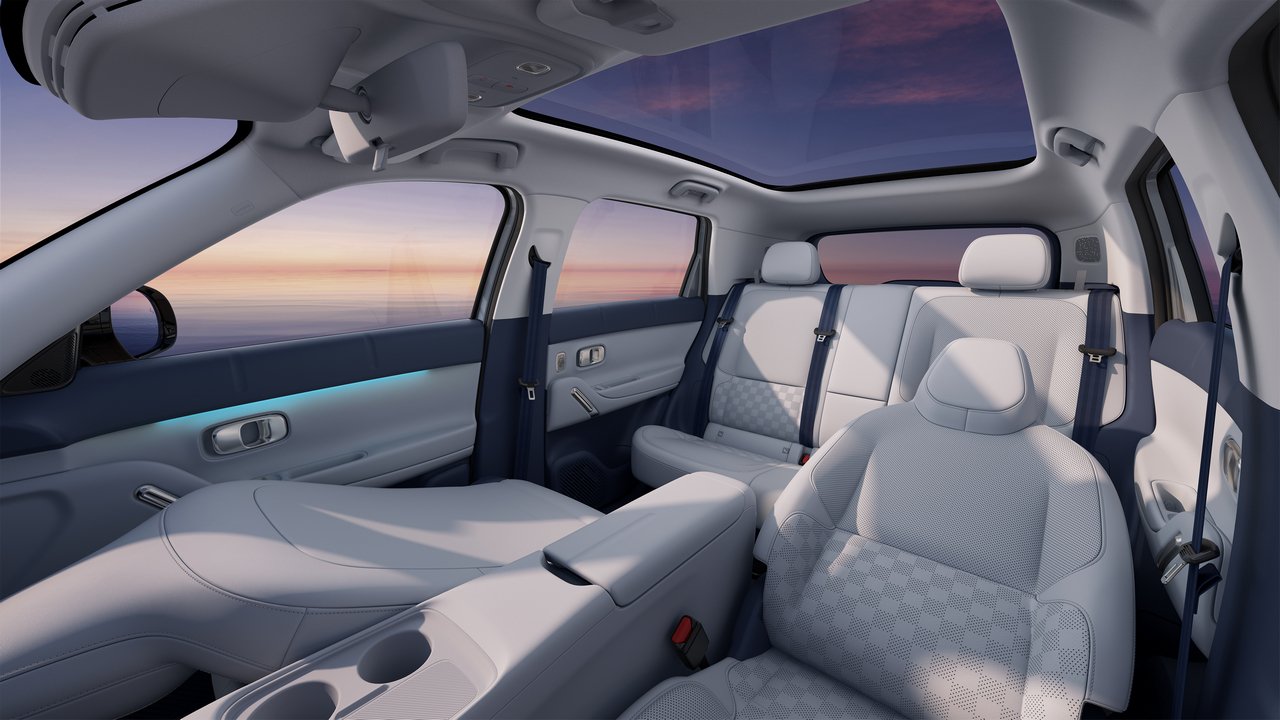 For example, the interior of the Leapmotor A10 uses OEKO-TEX EU top-level environmental certification, mother-and-baby-grade skin-friendly fabric, and achieves non-toxic and odorless from base materials to glue; it is equipped with the segment's largest 1.55㎡ panoramic sunroof, with a 99.9% UV isolation rate; it also comes standard with an electric sunshade with 100% shading rate, truly achieving both sun protection and heat insulation; the 2.63㎡ soft-covered area throughout the vehicle completely bids farewell to the "hard plastic feel" commonly found in models at this price point in our impression; beyond materials you can see and touch, the small table, ambient lighting, 12-speaker 7.1 surround sound field, microphone-free karaoke... and the rich and varied space layout full of ingenuity all keep the Leapmotor A10 from feeling cheap at all.
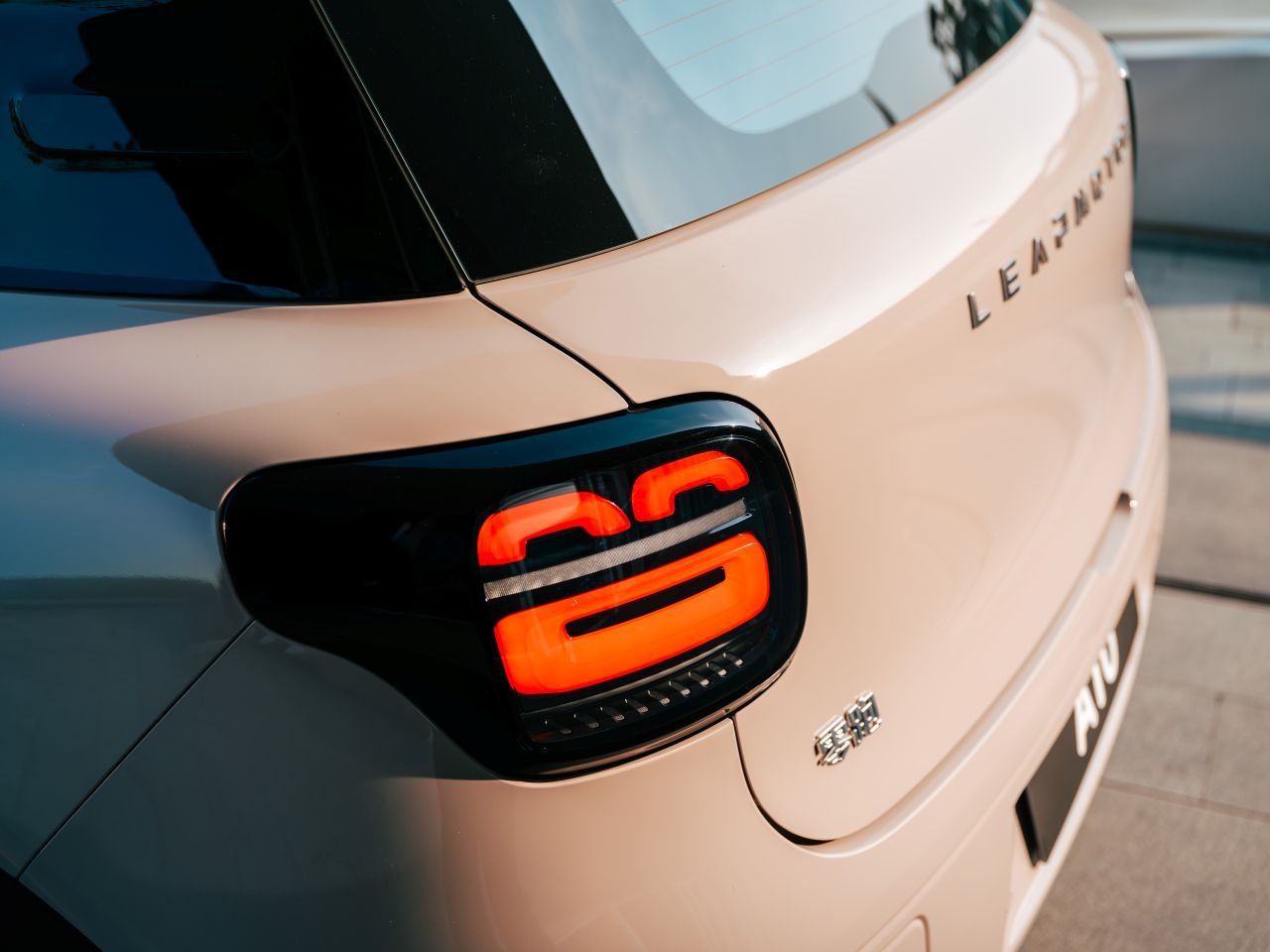 Of course, there is also the exterior design's "hee-hee ha-ha" light group, which brings full emotional value. The highly recognizable "hee-hee" light language system on the front face is not only cute and fun, but also supports multiple dynamic expression interactions, lighting up a good mood the moment you unlock the car; the "ha-ha" dynamic light language at the rear leaves a playful "meme-like" back view after locking the car.
Selling products at a premium is a capability, but daring to actively eliminate the premium and return technology to use value is a more universal choice. The "not cheap" quality of the Leapmotor A10 stems from Leapmotor's core principle of always insisting on "pricing according to cost," while excellent vertical integration capability in the supply chain and extreme production and manufacturing cost control are where Leapmotor has always excelled.
Leapmotor's pricing logic makes high quality no longer synonymous with high price. And users who choose Leapmotor are choosing a "value benchmark."
Question 3: For a small car used for grocery shopping and picking up kids, can safety hold up?
The core audience of the Leapmotor A10 mostly uses it as the family's main car for daily commuting, grocery shopping, and picking up kids. For these users, the importance of safety is self-evident. So here is the question: under the 80,000-yuan cost ceiling, with high-level intelligent hardware already included and quality and workmanship not sacrificed, how much margin does the Leapmotor A10 still have on the safety front?
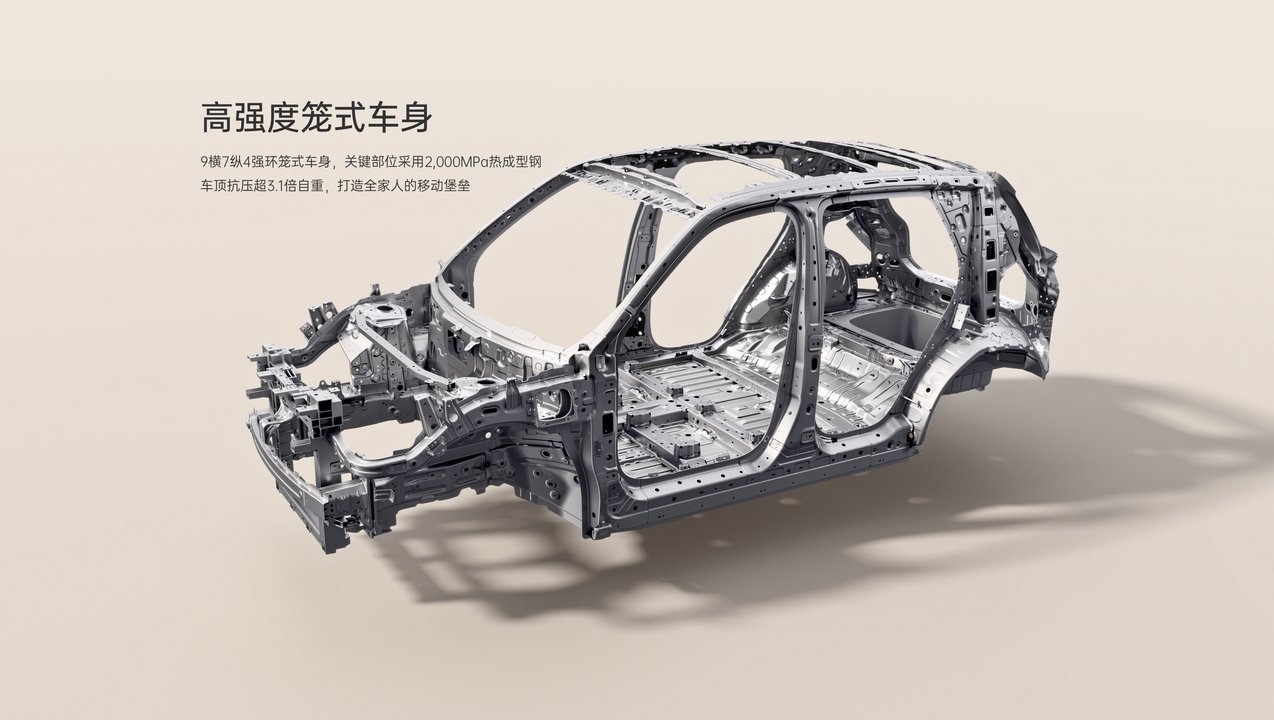 In terms of hard indicators for body structure and passive safety, the Leapmotor A10 achieves a rare level of "generosity" in its class. It adopts a unique "9 horizontal, 7 vertical, 4 strong rings" cage body architecture, with high-strength steel accounting for up to 72% of the entire vehicle, and key parts using 2000MPa aviation-grade hot-formed steel. The roof can even withstand compression force of 3.1 times its own weight. Together with the segment's largest 60L driver airbag and the ZF Onebox intelligent braking system, it can provide the strongest physical protection for occupants at the moment of collision.
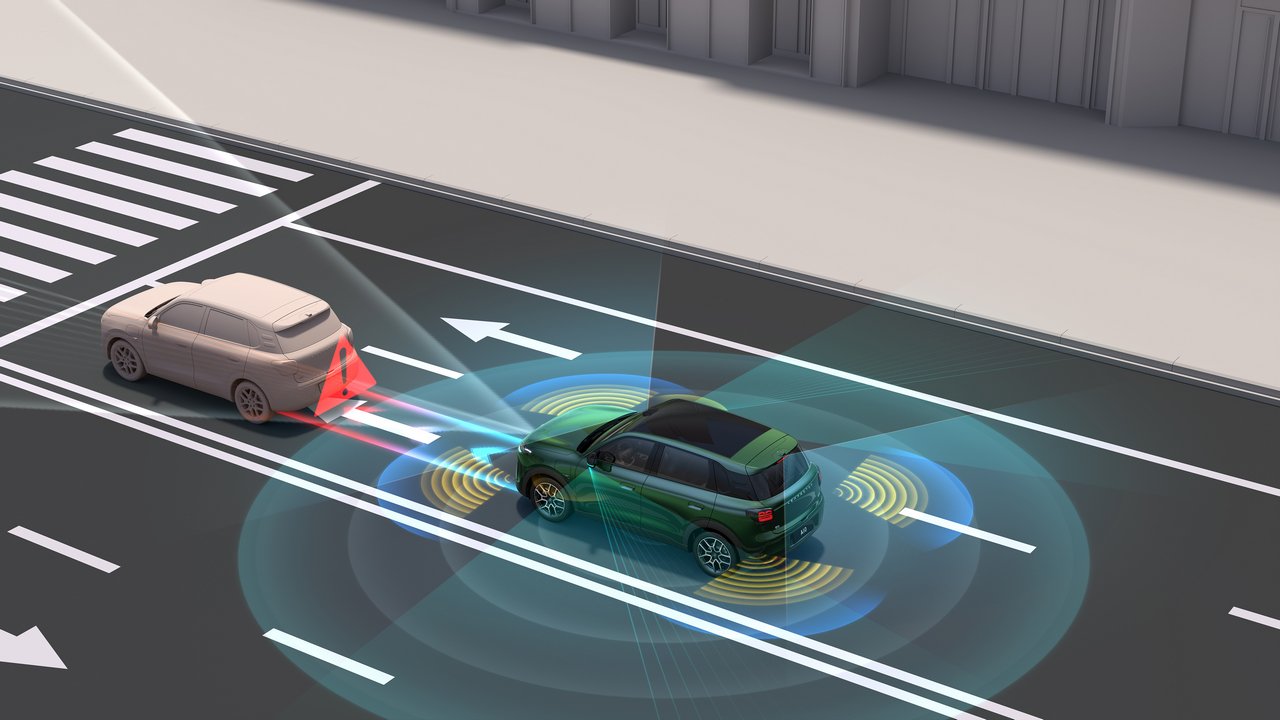 At the intelligent safety level, the addition of lidar is absolutely not just for showing off technology or serving high-level intelligent driving. More importantly, it greatly raises the upper limit of active safety capability. With the powerful computing power of the Qualcomm 8650 intelligent driving chip, this system can achieve full-speed-range, all-direction AEB emergency braking assistance, and can even effectively stop at a high speed of 120km/h; when facing extreme obstacle-avoidance scenarios, the AES emergency steering assistance system will intelligently coordinate with AEB, truly achieving the leap from "passive protection" to "active risk avoidance."
Relying on self-developed LMC integrated motion fusion control technology, the Leapmotor A10 can intervene at the millisecond level at the instant of a tire blowout at 140km/h, actively correcting body posture to prevent loss of control through precise control of motor torque and the braking system. This system is not limited to tire blowout scenarios. It is also deeply integrated with the chassis and plays a key role in anti-slip starting on wet roads, preventing tail swing in rain and snow, and body stability control during emergency obstacle avoidance.
We have watched this once million-level luxury car configuration step by step enter ordinary households and be installed by Leapmotor in models under 100,000 yuan. This leap from "exclusive to the few" to "a dividend for the masses" is precisely the power of technology equality.
As we mentioned above, the interior of the Leapmotor A10 uses mother-and-baby-grade skin-friendly fabric that has passed the EU OEKO-TEX® Standard 100 highest-level certification, strictly controlling harmful substances from base materials to glue. Even the interior base material uses non-toxic epoxidized soybean oil (ESO), truly achieving a "0 formaldehyde" infant-grade healthy cockpit, which is crucial for family users who use the car for daily commuting, grocery shopping, and picking up kids.
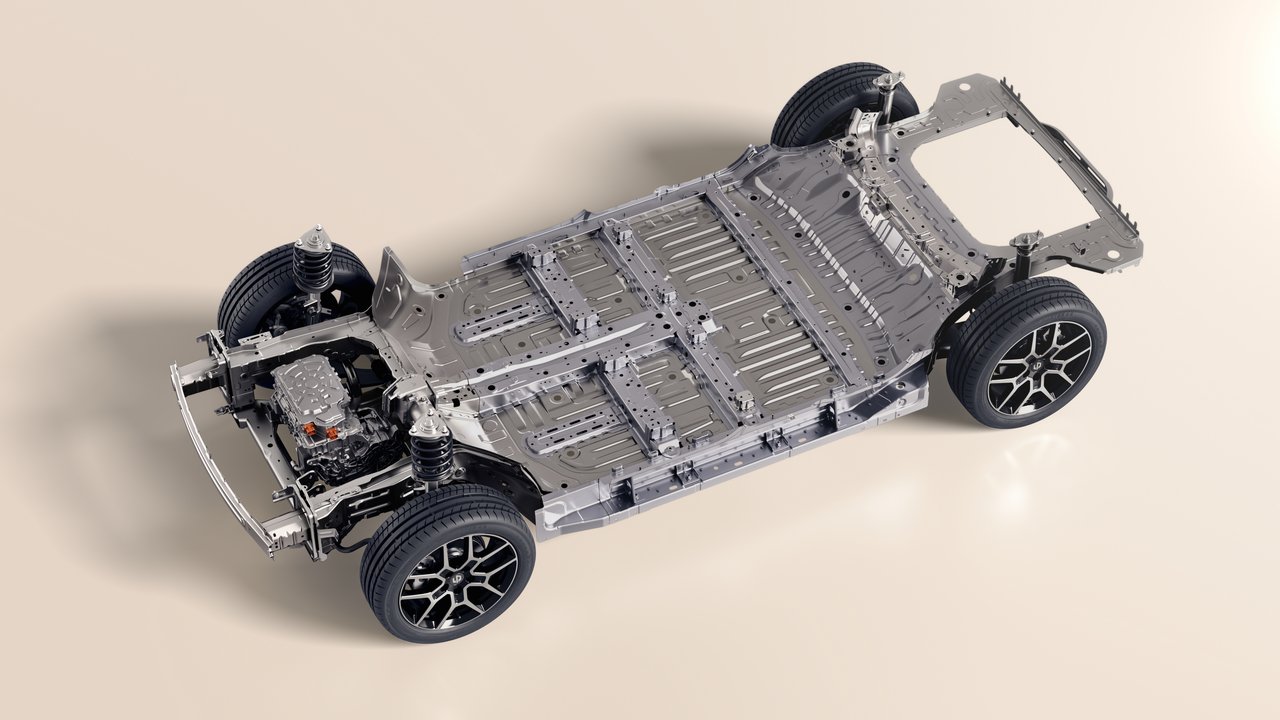 In terms of electric drive system safety, relying on Leapmotor's signature CTC 2.0 Plus battery-chassis integration technology, the battery and chassis are highly integrated, which not only improves space utilization but also forms an airtight protective net through a "frame-type" structure. Together with a nanoscale composite fireproof blanket and aviation-grade explosion-proof valve, the Leapmotor A10 achieves the extremely high safety standard of no fire and no explosion for 48 hours after thermal runaway, thoroughly dispelling family users' last concern about electric vehicle safety.
Question 4: Looking good does not equal being good—is the Leapmotor A10 actually practical?
Since it is meant to solve the real刚性 needs of commuting, grocery shopping, and picking up kids, we must look beyond appearance to the essence: can the practicality of the Leapmotor A10 really deliver? Let us start with space.
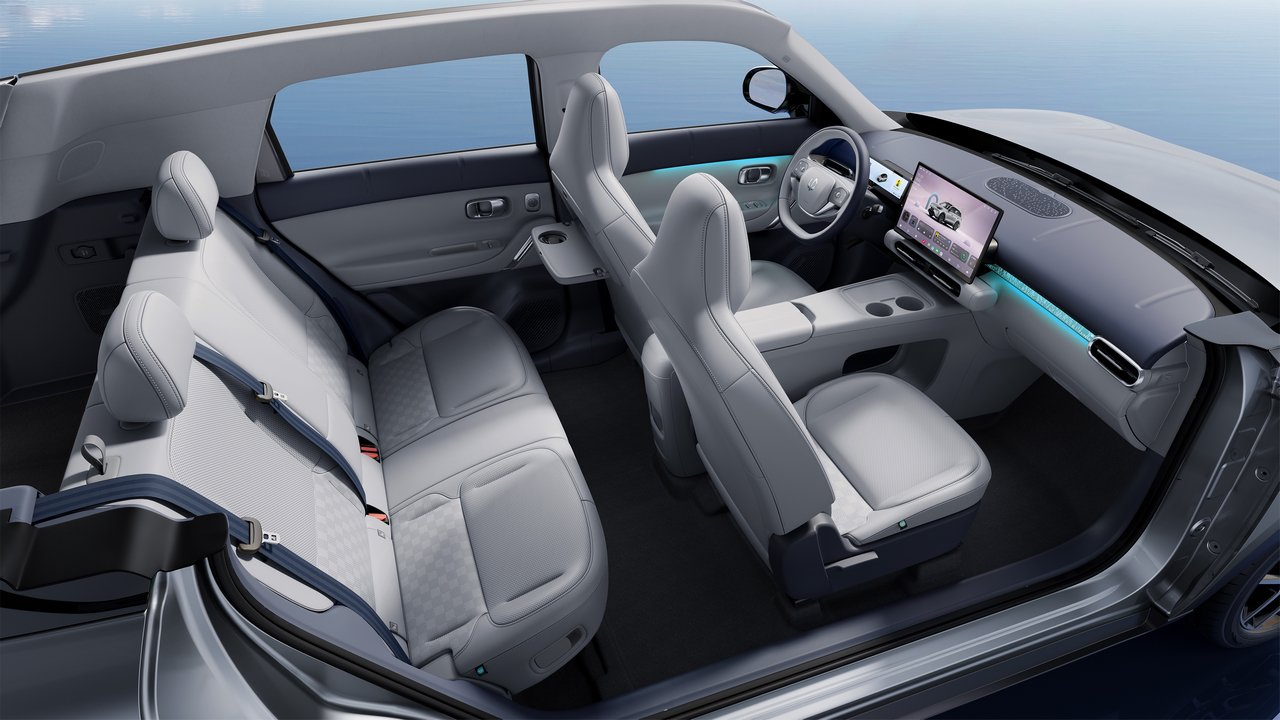 The Leapmotor A10 shows the superpower of a "space magician" in spatial practicality. First is the ultra-high room utilization rate of 88.1%, behind which are Leapmotor's deep optimization of body structure and high integration of components.
The Leapmotor A10 also offers quite a rich variety of seat adjustment methods. In addition to the "pet mode" mentioned above, there is also the front passenger seat 90° forward-folding "surfboard mode," the driver's seatback maximum recline of 149° "nap lying mode," and the fully flat "big bed mode" after folding the second row, meeting full-scenario needs from lunch break naps to camping overnight.
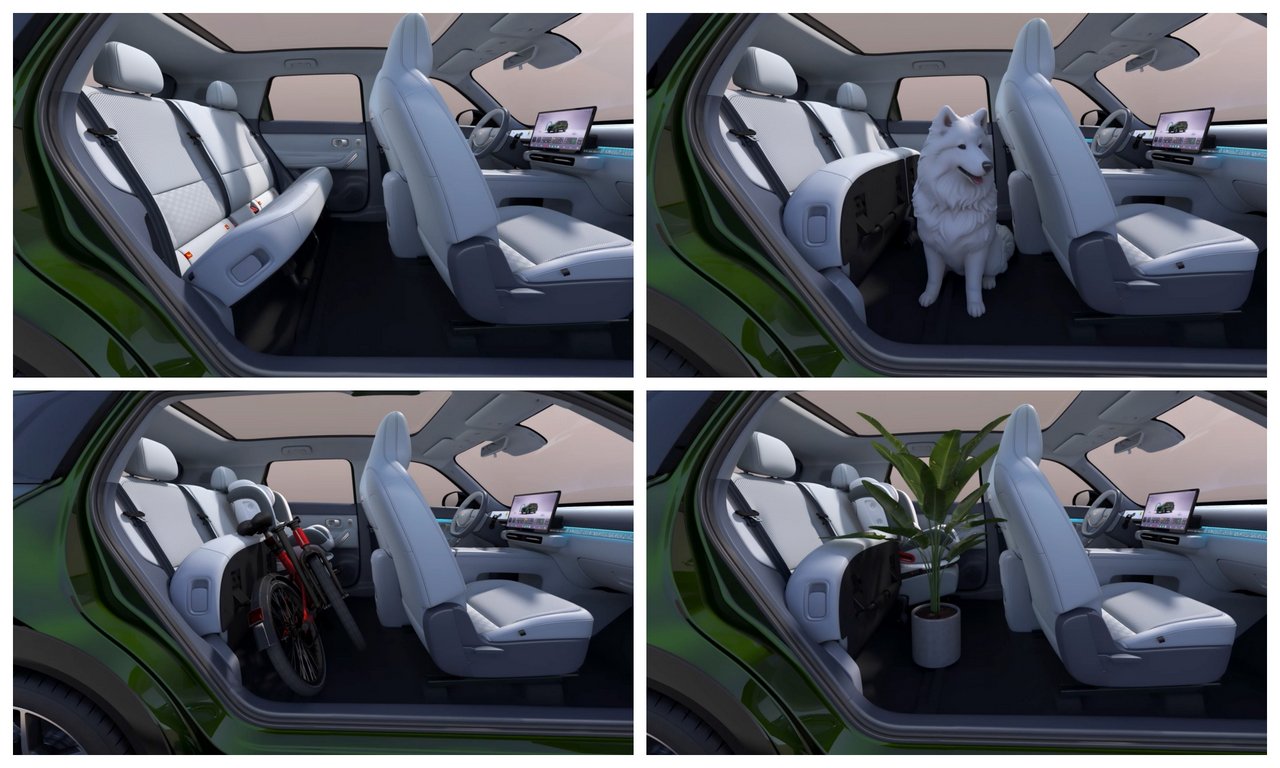 In addition, the second-row seat cushion of the Leapmotor A10 supports 60° upward folding, and the "all-new space" this creates provides spacious activity room for pets while effectively preventing the seats from being scratched or left with hair. Whether it is a newly bought potted plant or a folding bike for a weekend outing, it can be easily placed in this position.
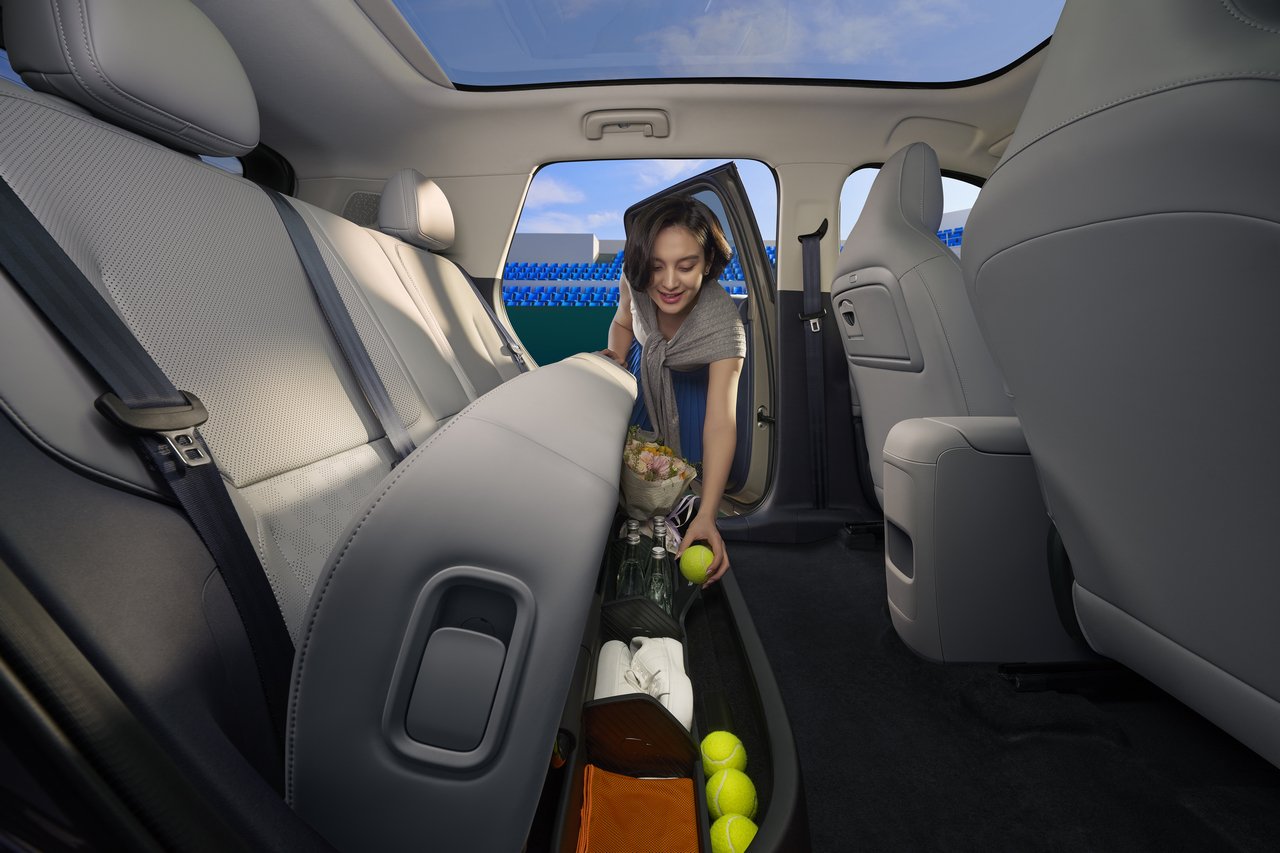 In addition, this seat also hides storage functionality, giving miscellaneous items a place to belong.
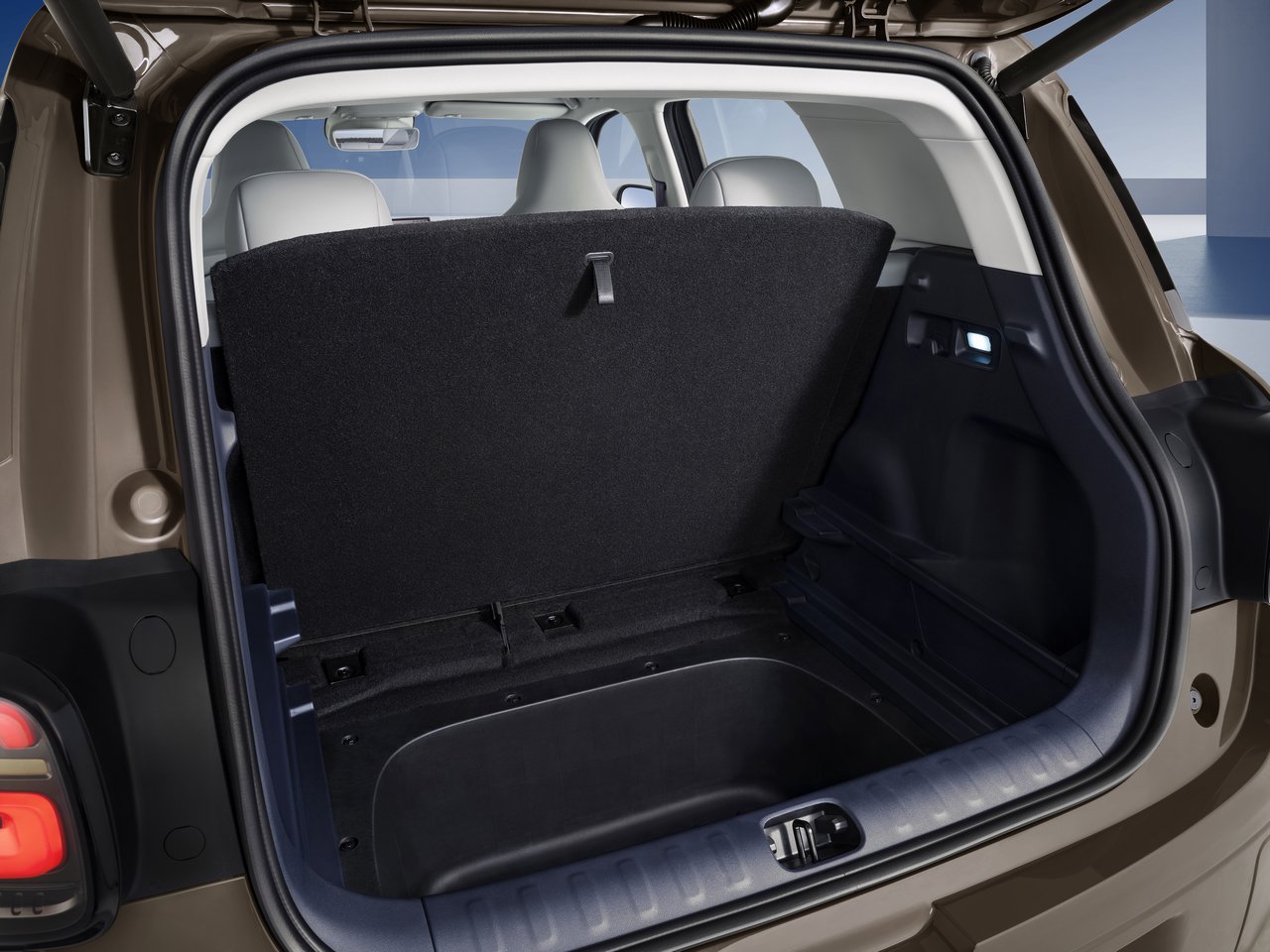 The trunk has a base volume of 602L, which can be expanded to 1549L after folding. More importantly, it adopts a double-layer design. The upper cover panel, when laid flat, increases length and makes it convenient to arrange luggage neatly, while the lower layer's first-of-its-kind 106L sunken storage compartment is specially used for things that are "not presentable," such as fresh seafood with a strong smell, fishing gear soaked with river water, wet swimsuits, muddy outdoor off-road shoes... This design achieves perfect dry-wet separation and even supports direct rinsing with a high-pressure water gun, so there is no worry about dirtying the trunk and making it hard to clean.
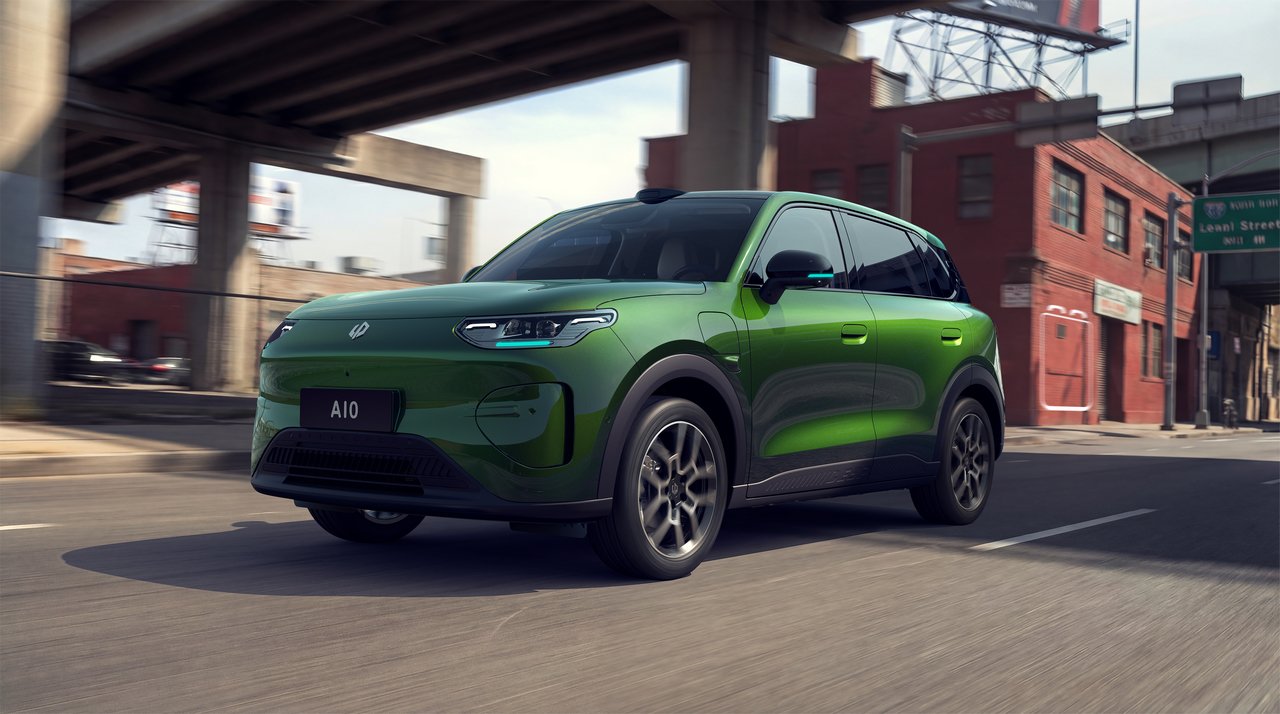 When it comes to practicality, range must not be ignored. The entry-level version of the Leapmotor A10 already has a CLTC range of 403km. Calculated according to the data in the "2025 China Major Cities Commuting Monitoring Report," Wuhan's average one-way commuting distance is 8.6km. Theoretically, the 403km range of the Leapmotor A10 entry-level version can be used for 23 days, thoroughly solving the "range anxiety" and frequent charging troubles common in small cars of the same class.
In intercity travel and cross-city outing scenarios, with the segment-leading 2.5C fast charging technology, the A10 completely breaks the stereotype that "small cars cannot travel long distances." It can charge the battery from 30% to 80% in 16 minutes, and in just the time it takes to drink a cup of coffee, it can add about 250km of range energy. Together with a solid long range of 505km, whether for weekend visits to relatives and friends in nearby cities or cross-province trips during Golden Week, the Leapmotor A10 can "go whenever you want."
Question 5: Do not just look at the car price—from energy consumption to warranty, what is the actual cost of ownership?
Many people only stare at the bare car price when buying a car, but forget that subsequent car maintenance is the long-term expense. The "60,000-yuan-level" entry threshold is indeed not high, but do not ignore usage cost. In this regard, the Leapmotor A10 not only continues the bloodline advantage of "saving money," but also solves everyone's pain points through technological upgrades and ultra-long warranty.
The first is extremely low energy consumption expenditure. The Leapmotor A10 achieves an ultra-low comprehensive energy consumption of as low as 10.7 kWh per 100 kilometers, which translates to less than 0.1 yuan per kilometer. Compared with competitors in the same class, this not only means longer actual range, but also compresses the energy replenishment cost of daily commuting to the extreme, truly achieving "driving without heartache."
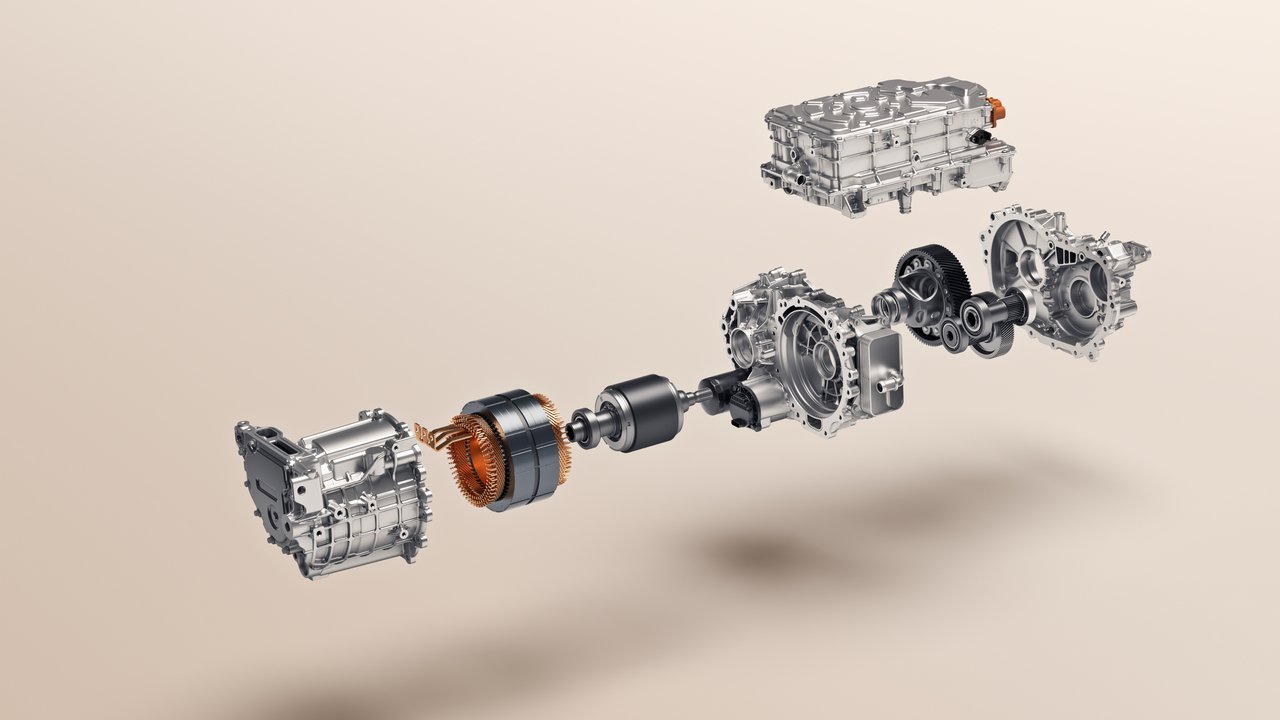 The second is the segment's only oil-cooled electric drive system, which is not only a guarantee of performance but also the cornerstone of durability. Compared with traditional water-cooled motors, oil cooling has higher heat dissipation efficiency, which not only prevents motor attenuation during continuous aggressive driving or high-temperature environments, but also greatly slows the aging speed of internal parts and significantly extends the service life of the electric drive system.
Finally, there is the thoroughly reassuring service policy. Leapmotor provides the first owner of the A10 with four lifetime free warranties: battery, electric drive, electronic control, and the entire vehicle. This means that throughout the vehicle's entire life cycle, the repair and replacement costs of core components are minimized, thoroughly eliminating worries about the high repair costs of new energy vehicles.
Final thoughts:
Amid the hustle and bustle of more than 70 launch events and more than 60 new cars crowding the stage in March, ordinary consumers can easily become dazzled and more confused the more they choose.
Building a brand and selling products at a premium is certainly a capability. But on the premise of having the same product strength (lidar, 8295 chip, mother-and-baby-grade materials), controlling costs to the extreme and letting technology truly benefit more people is not only a capability but also a rare sentiment. The Leapmotor A10 was not born to "out-compete" rivals to death; it was born to solve real car-use pain points.
When a car can provide the freedom of 23 days of commuting, the money-saving thrill of less than 0.1 yuan per kilometer, and the sense of safety brought to the whole family by lidar protection, the answer is actually already very clear.
The Leapmotor A10 proves with strength: it is not here to join the fun; it is here to redefine the "value benchmark" of this class. Those rivals eager to confront and PK it head-on precisely confirm its value from another side.
For friends preparing to spend money, rather than listening to automakers hype things up to the skies, it is better to go to a store, touch that OEKO-TEX-certified fabric, and look at that "hee-hee ha-ha" light language.
As for whether it is really any good? I suggest not just listening to me—take advantage of the weekend and go to a store to personally feel that "queuing for a test drive" popularity. I believe that when you sit in the car, the answer will naturally come to you.