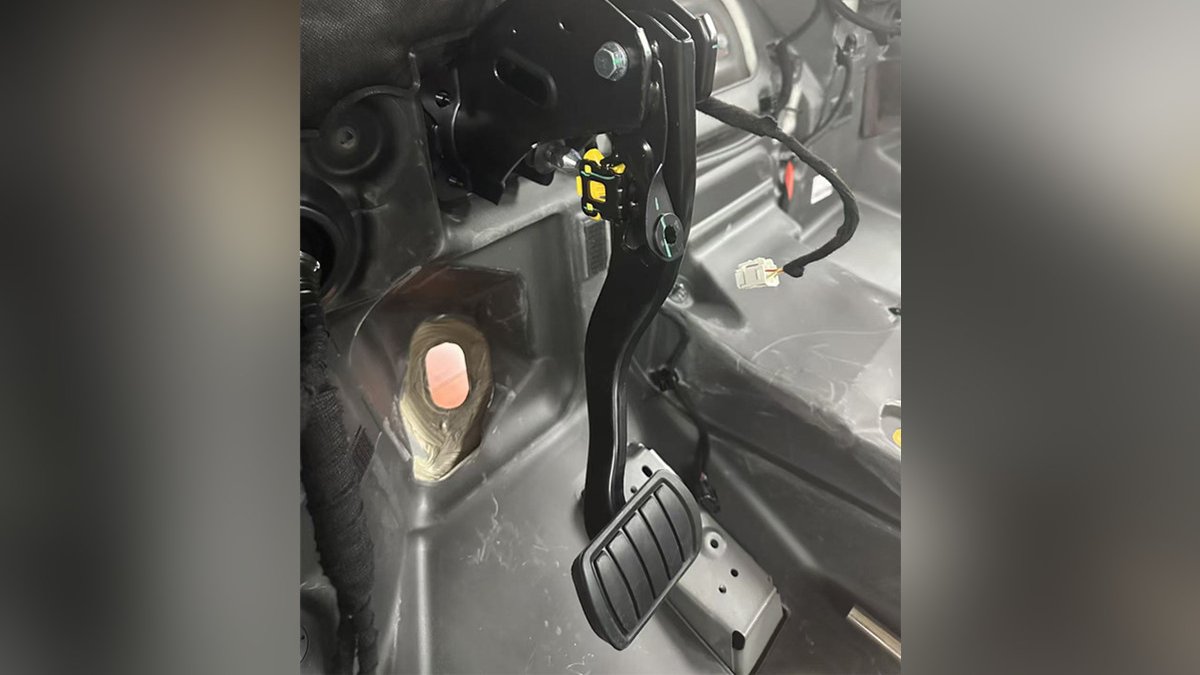
Recently, the material selection for brake pedal brackets has sparked widespread attention and discussion across the entire automotive industry.
As a core load-bearing component in the brake force transmission path, the brake pedal bracket is one of the structural parts with the highest safety level in the entire vehicle—every deformation and failure directly affects the driver's most basic and most critical brake application. At a time when lightweighting has become an industry-wide proposition, how to make trade-offs on this core safety component somewhat reflects an automaker's true attitude toward "safety priority."
Two mainstream approaches: the trade-off between lightweighting limits and structural safety redundancy
From the current industry landscape, there are several mainstream material selection options for brake pedal brackets, among which two approaches are the most representative.
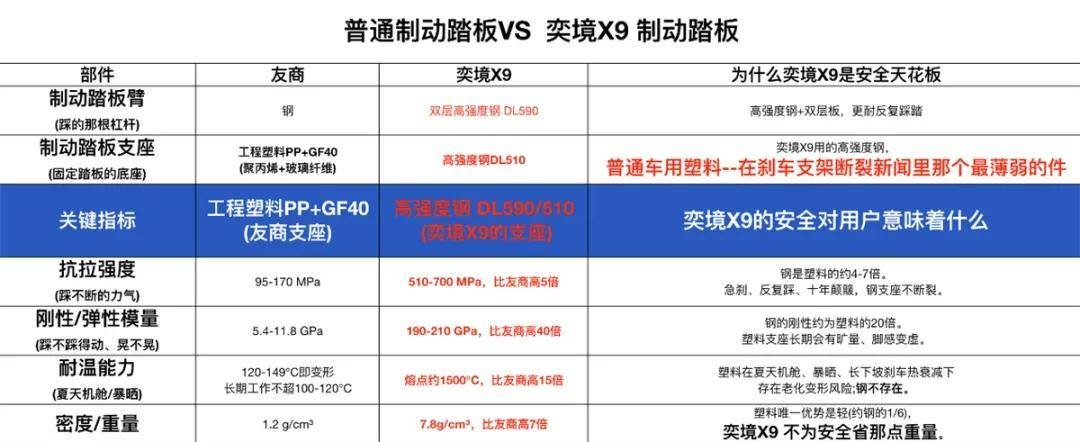
One is PP+GF40 glass fiber reinforced engineering plastic. The advantages of this type of material are quite clear: its density is only 1/6 that of steel, it has low water absorption and excellent dimensional stability. For secondary structural components under normal temperature and moderate loads, it is a mature technical path that balances lightweighting and manufacturing costs, and has therefore been widely adopted in many non-core load-bearing positions.
The other is high-strength steel construction. Compared with the former, high-strength steel's stiffness and tensile strength are dozens of times higher. More critically, its failure characteristics—under ultimate loads, high-strength steel structures will first undergo plastic deformation and provide a warning, with essentially no risk of instantaneous brittle fracture, offering more sufficient structural safety redundancy.
Neither approach is inherently superior or inferior; the real dividing line lies in the application scenario. When the material is used in core structures related to driving safety such as brake pedal brackets, the evaluation criterion shifts from "is it light enough" to "is it reliable enough," and the importance of safety redundancy is amplified exponentially.
A firm choice of high-strength steel: maximizing safety margins from the material foundation
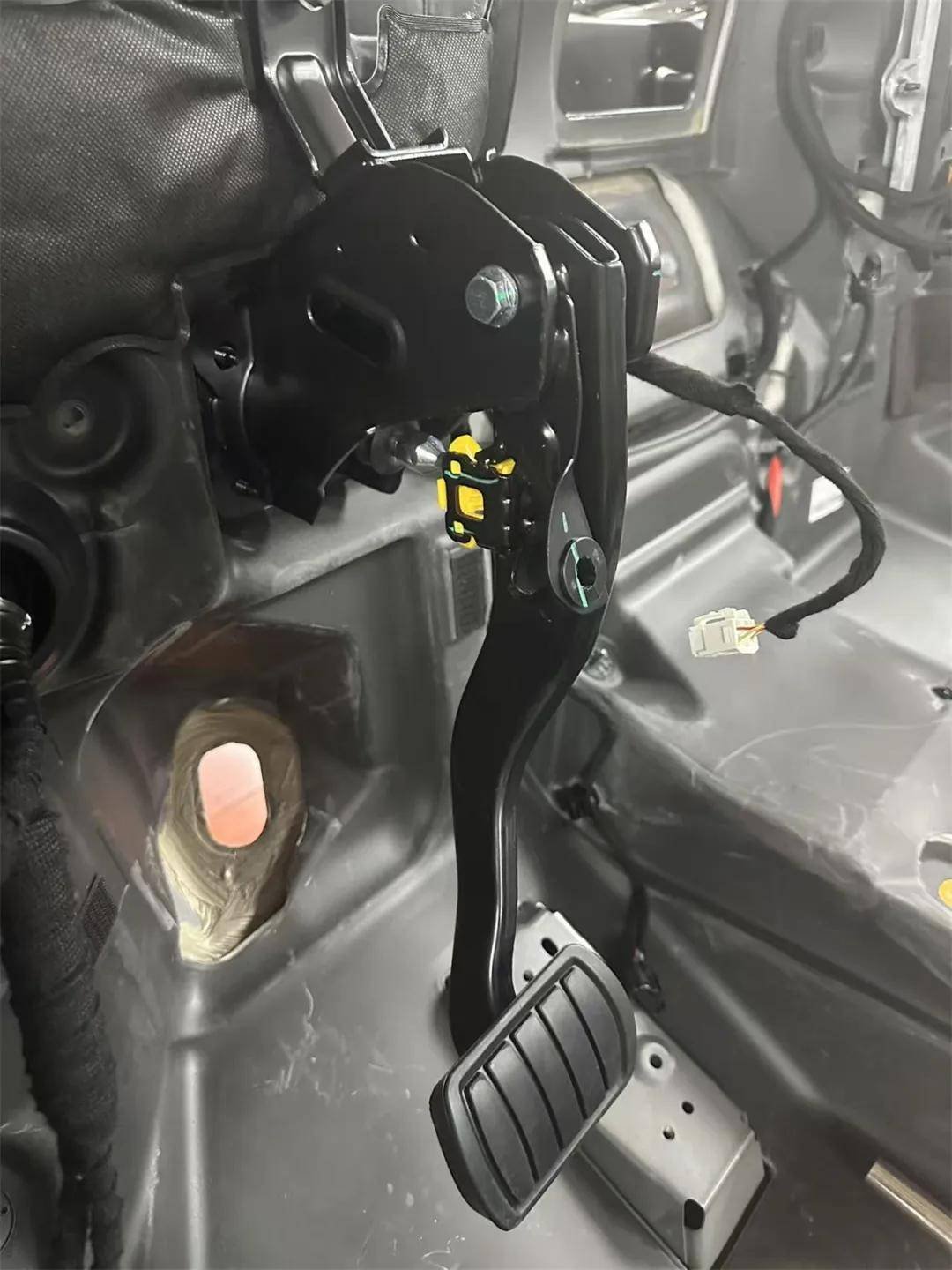
In the material selection for this core safety component, Yijing X9 has given a clear answer—a firm choice of the high-strength steel approach.
Specifically, the brake pedal bracket of Yijing X9 uses DL510 high-strength steel single-layer plate, with an elastic modulus of 190-210GPa and tensile strength of 510-630MPa. The direct significance of these parameters is: from the material foundation itself, structural safety margins are maximized. Compared with glass fiber reinforced engineering plastics, high-strength steel's advantages in stiffness and tensile strength reach dozens of times higher, providing more sufficient structural assurance under extreme conditions.
For a core load-bearing component tasked with brake force transmission, this redundancy is not "performance excess" but a fundamental prerequisite of safety design.
Not stopping at the national standard passing line: design threshold raised to 3000N
Material is only the first step; what reveals more attitude is the setting of verification standards.
The relevant requirements for brake pedal brackets are clearly stipulated in the current GB 21670-2025, but the standard itself also comes with corresponding limiting conditions. From the actual industry situation, the commonly adopted standard loads are concentrated in the 1500-2000N range. For most products, reaching this range means "compliant."
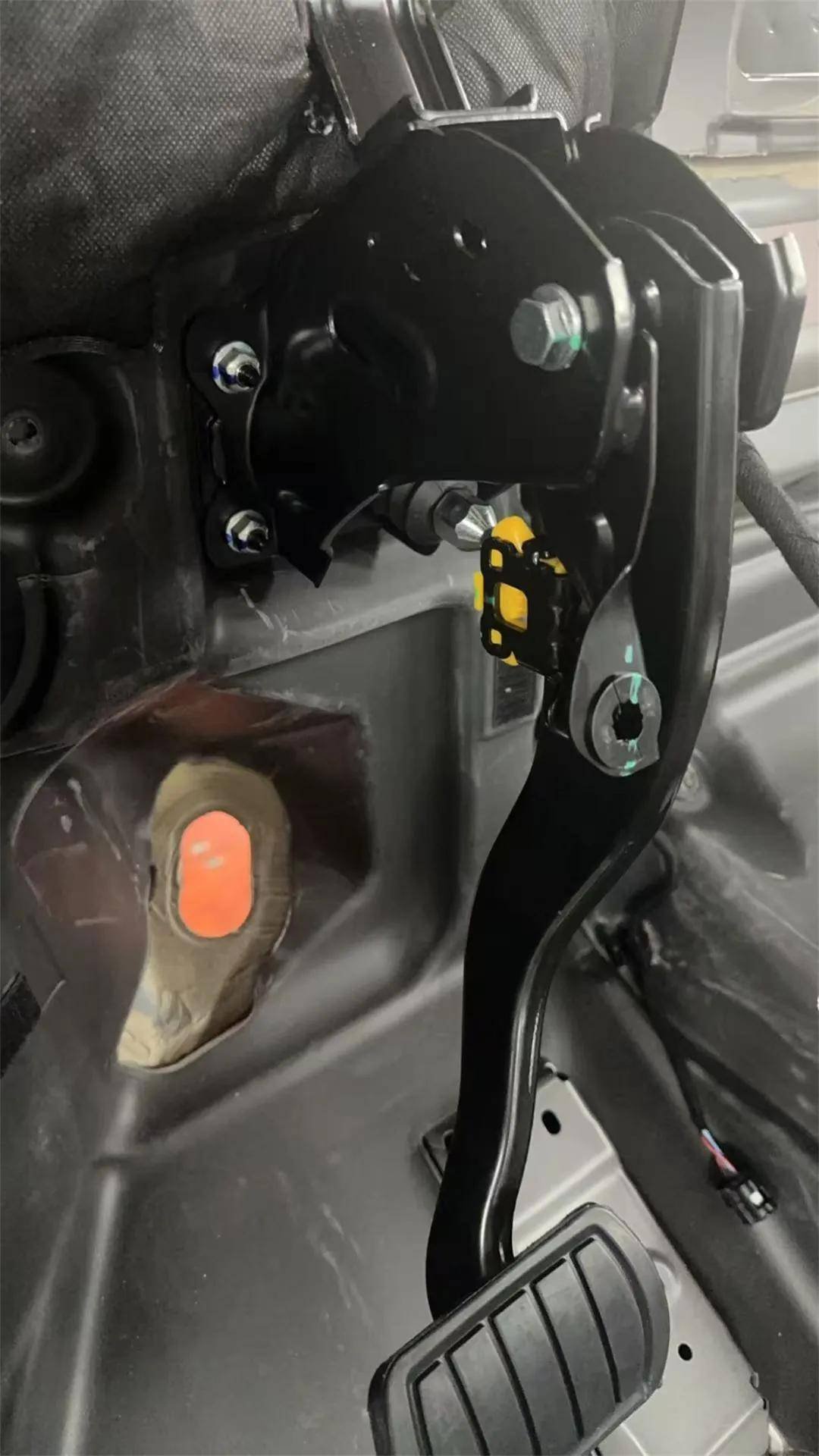
However, Yijing did not take the national standard passing line as the endpoint of research and development. Upholding the proposition that "safety is the faith of the Yijing brand," Yijing directly raised the internal design threshold for the brake pedal bracket to 3000N and completed verification through a full set of bench tests. The results showed: under 3000N static load, the bracket has no cracks and no fractures, with a safety margin reaching 1.5 times the industry standard, aligning with the top-tier safety redundancy standards of global luxury brands.
Behind this number is a clear logic. 1500-2000N is the compliance bottom line commonly implemented in the industry, while 3000N means that under extreme conditions—such as emergency braking, instantaneous impacts under complex road conditions, and other scenarios—the structural component still retains sufficient safety margin. The extra 1000N is essentially not meant to pass tests, but to cope with those "unexpected" extreme situations in the real world. In safety design, redundancy itself is a form of respect for uncertainty.
Lightweighting has paths, safety has no room for compromise
It is worth emphasizing that Yijing does not hold a conservative attitude toward lightweighting. On the contrary, lightweighting exploration in the automotive industry is a long-term proposition that balances energy consumption and overall vehicle performance. In areas such as body panels and non-load-bearing structures, Yijing is also continuously advancing the implementation of lightweighting technologies, seeking space for overall vehicle energy efficiency and performance through material optimization and structural design.
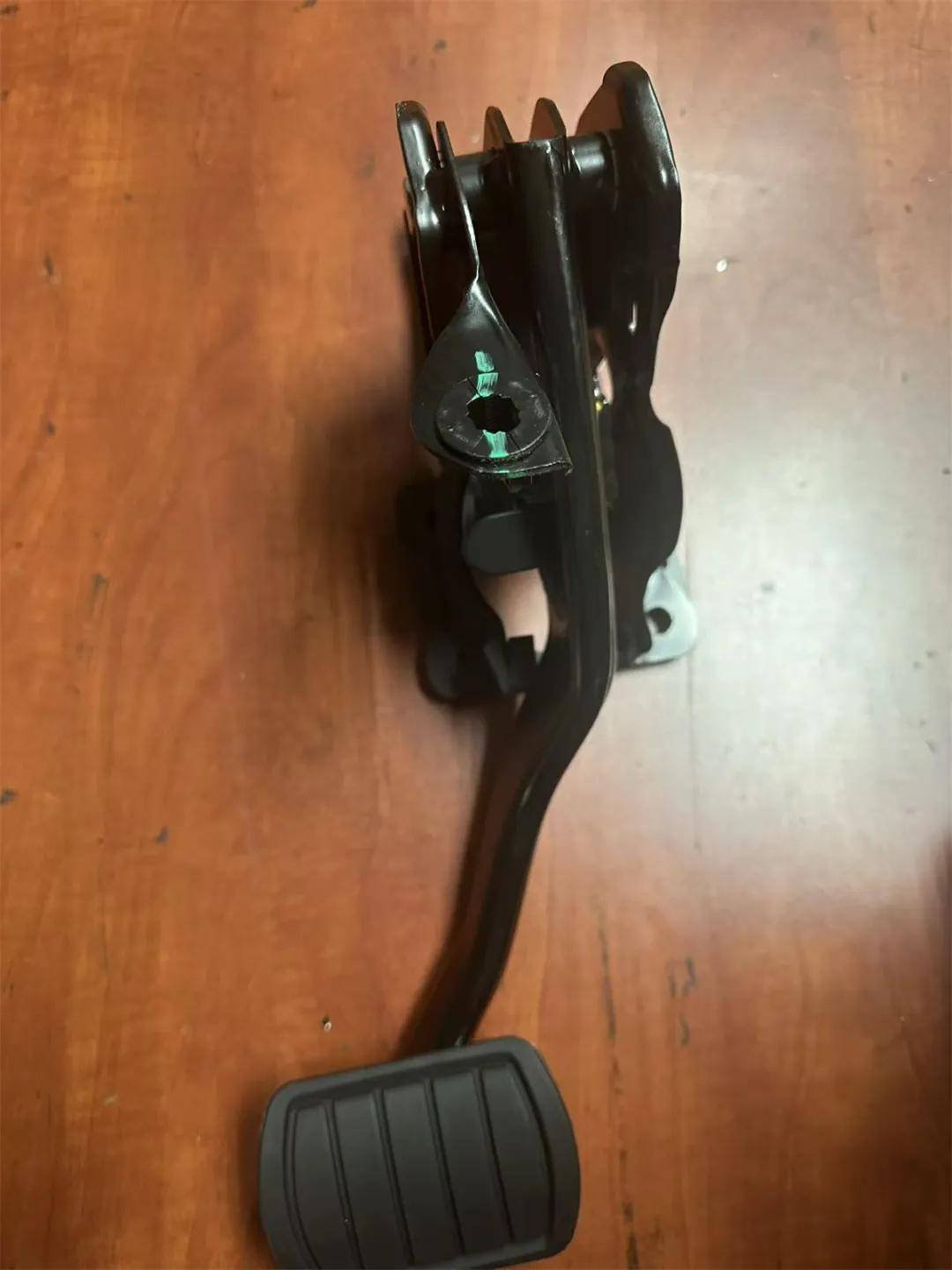
Yijing's choice logic lies in distinguishing the primary from the secondary: where lightweighting can bring clear comprehensive benefits, firmly advance it; where safety is the overwhelming priority, never yield for the sake of on-paper data. The brake system precisely belongs to the latter. As a core structure related to driving safety, the priority of its strength redundancy is placed foremost. In Yijing's own words—lightweighting can have many implementation paths, but safety has no room for compromise.
The weight of this statement is particularly worth pondering in the current industry context. When lightweighting, energy consumption performance, and range figures become high-frequency terms in product promotion, the material selection of "invisible" structural components like brake pedal brackets is often not easily perceived by users. But it is precisely these inconspicuous places that constitute the true foundation of the safety system. Users may not open their vehicle to look at the steel plate thickness of the bracket, but the sense of reassurance every time they press the brake pedal ultimately comes from these details that have been taken seriously.
Conclusion: Safety faith lands on the choice of a single bolt and a single steel plate
From a set of material parameters to an internal verification threshold, Yijing X9's choice on the brake pedal bracket actually answers a more fundamental question: when lightweighting and safety come into brief tension, how should priorities be arranged?
The material choice of DL510 high-strength steel single-layer plate, the internal design threshold of 3000N, and the safety margin 1.5 times the industry standard—these specific technical details, when combined, point to the same thing: the so-called "safety faith" has never been an abstract slogan, but lands on the material selection judgment of every core structural component and the self-imposed escalation of every verification standard.
The value of this discussion across the entire automotive industry around brake pedal brackets perhaps lies precisely in this: it brings those safety decisions normally hidden inside the vehicle body onto the table for serious scrutiny for the first time.


