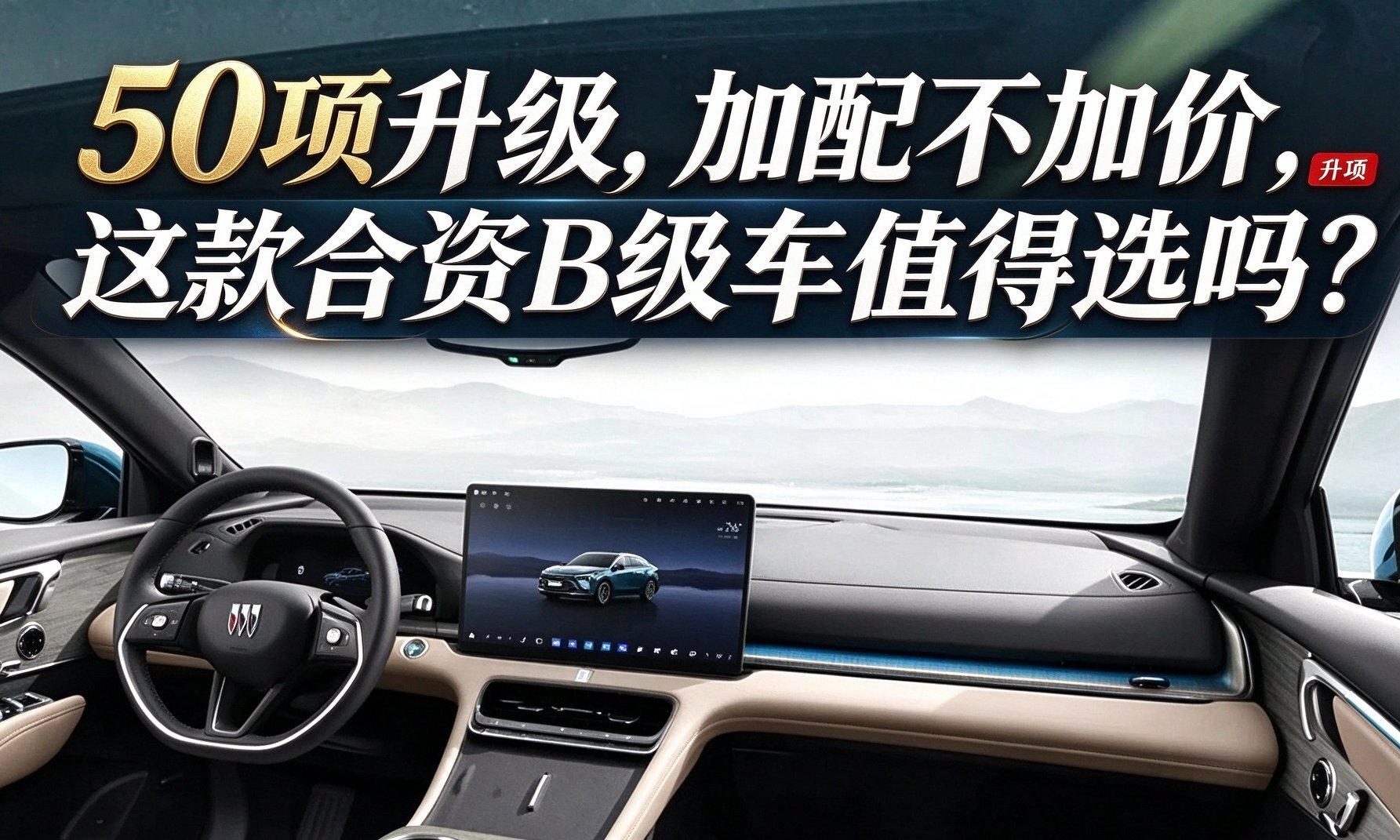
The threshold of 150,000 is something many people switching cars can't avoid. Their budget is exactly this much, yet their demands for a B-segment car are anything but modest: the rear seats must be spacious, the interior must not feel cheap to the touch, and the more features the better—they're unwilling to push their budget all the way up just for two or three key functions. Joint-venture brands have been wrestling in this price range for years, and their moves have always been the same few: either cut prices or cut equipment. This year, a somewhat different approach has emerged: instead of cutting prices, add content. Buick has rolled out the 2027 LaCrosse, making 50 luxury upgrades in one go, with a limited-time benefit price falling between 149,900 and 169,900 yuan, with specific activities subject to local dealers. The direction is quite straightforward: spend B-segment money to reach for a bit of C-segment respectability. In this price range, what ultimately matters is balance—nothing falls short, and one or two standout strengths are enough to win people over. The strength the LaCrosse chose this time is to first build a solid foundation of luxury.
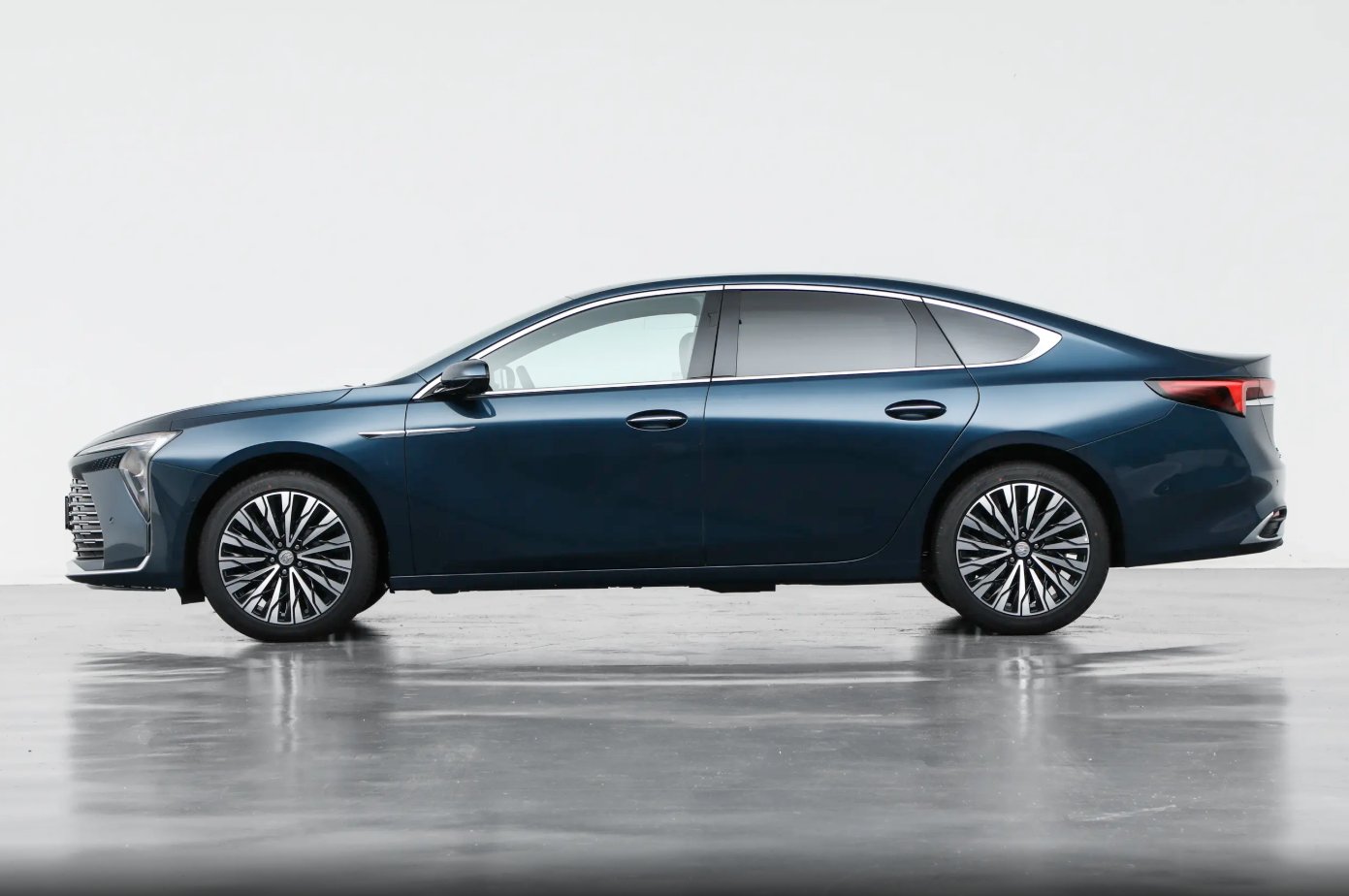
Let's first talk about what's most intimidating about this car—its presence. A body length of 5,003 mm paired with a wheelbase of 2,905 mm gives it the proportions of a five-meter-class vehicle. Parked next to B-segment cars at the same price, it's clearly a size larger, and its wheelbase also surpasses many rivals. Usually, when parked downstairs in a residential compound or at the company entrance, compared with the cars beside it, the aura shows first. That stretched-out feeling of a flagship car is established first simply through dimensions. The five-meter-class body isn't just for looks—it parks neatly in a spot, the rear seats are roomy, and this presence translates into practicality, especially for people who care about making an impression.
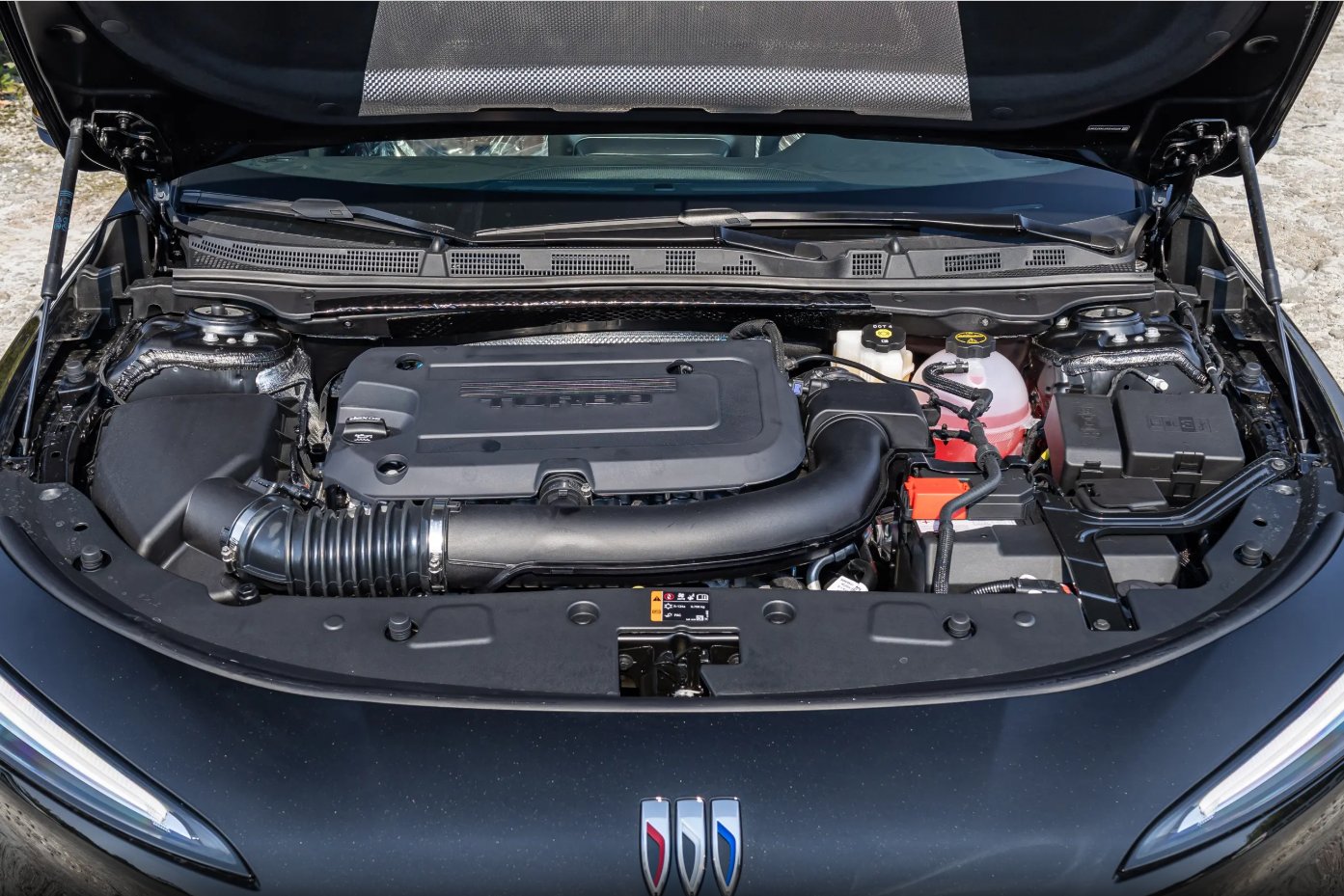
In terms of power, the 2027 LaCrosse gives a 2.0T turbocharged engine across the entire lineup, matched to a 9-speed automatic transmission. There's no high-power/low-power split—the entry version uses exactly the same powertrain as the top trim, which is quite generous. With 174 kW and 350 N·m on paper, the reserves are sufficient. For city commuting, the throttle is tuned on the gentle side—neither light nor heavy, neither rushed nor sluggish. It won't lurch forward from a standstill, making for easy driving; when you want to overtake, press the throttle deeper and the transmission is willing to downshift, with power keeping up without lag, giving you confidence when changing lanes and passing. Whether carrying the whole family or driving alone, the power is enough, with no sense of struggling. The 9AT is smooth in daily driving, with shift shock almost imperceptible, matching the car's overall luxury positioning. WLTC combined fuel consumption is 7.47 liters per 100 kilometers, and 7.61 liters for higher trims. For a sedan with a five-meter body and a 2.0T, this is within an acceptable range. For daily commuting plus occasional long trips, fuel costs won't hurt, and the burden of ownership isn't heavy.
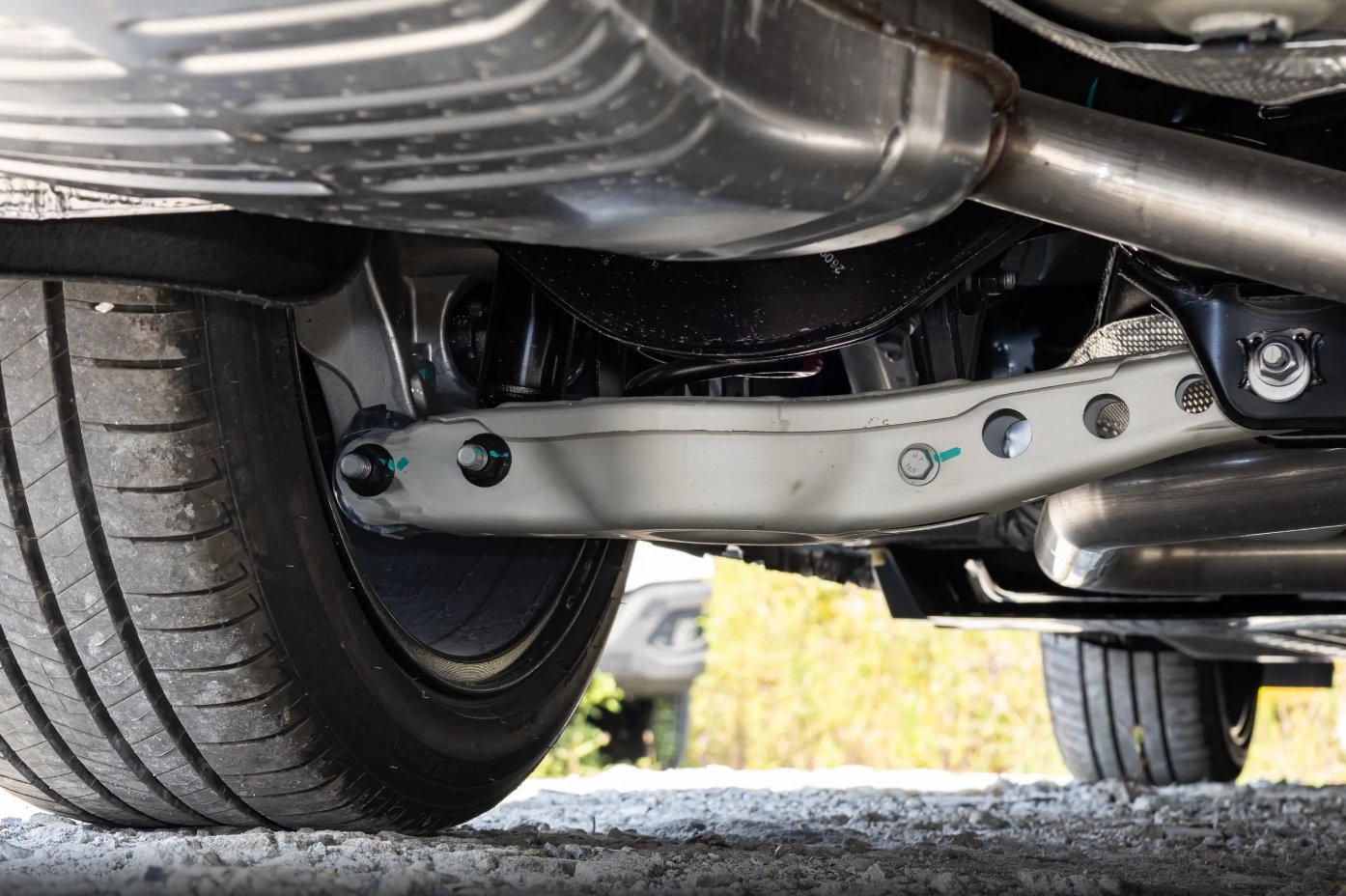
The chassis still follows the LaCrosse's consistent comfortable and steady approach. MacPherson struts in front, multi-link in the rear, paired with a full-frame subframe, it filters out fine vibrations on the road quite cleanly. Over speed bumps or potholes, the body doesn't sway back and forth, and the chassis feels very solid, reducing that hard, jarring bumpiness inside the cabin. At highway speeds it doesn't float, the steering is steady, and the stance through lane changes and corners is stable, so passengers don't easily get carsick. Higher trims also come with CDC active dampers, which adjust damping in real time according to road conditions—softer on rough roads, yet able to support the body in corners, balancing comfort and support. This setup handles both family use and business use, and won't embarrass you on any road condition.
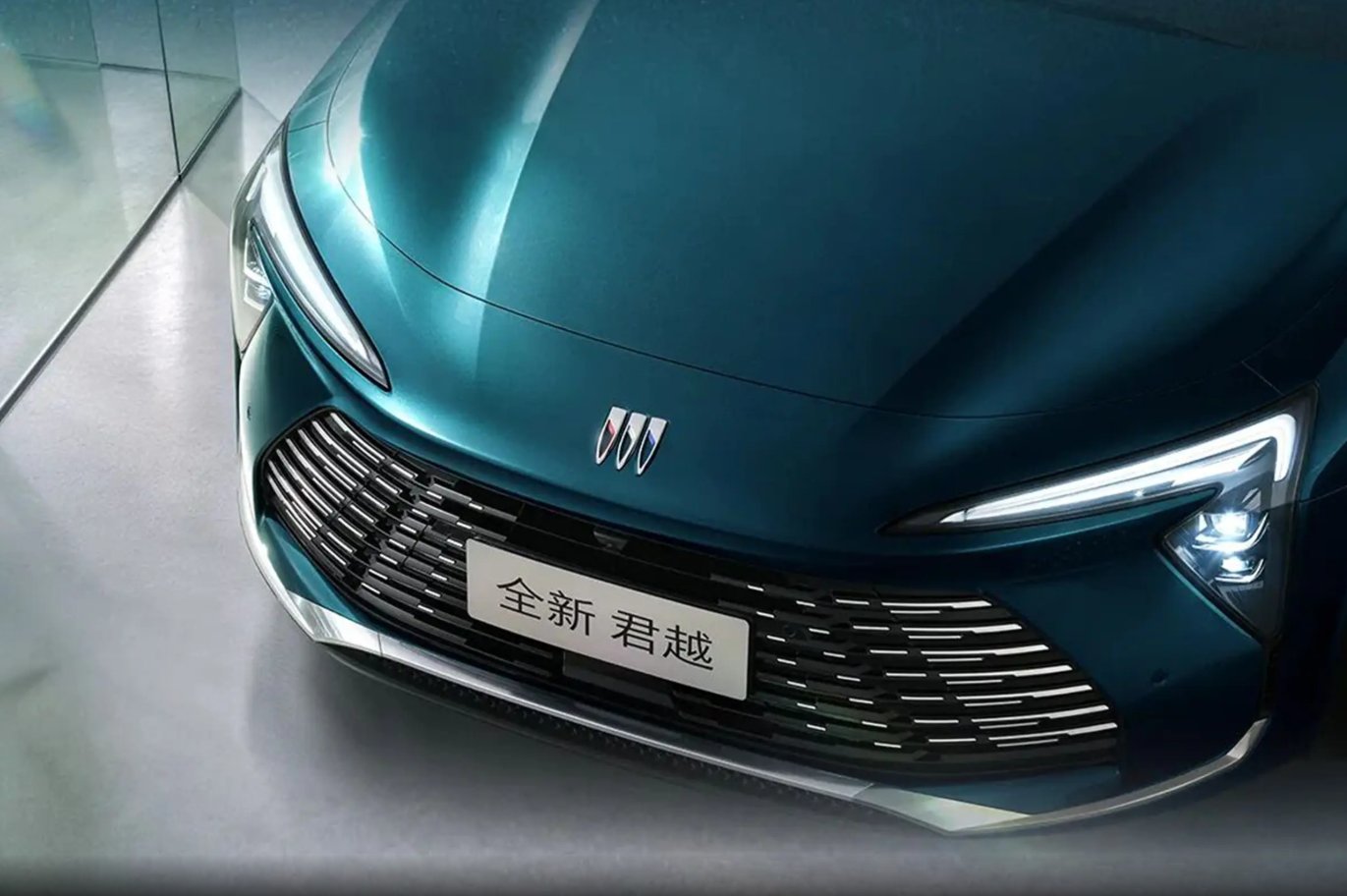
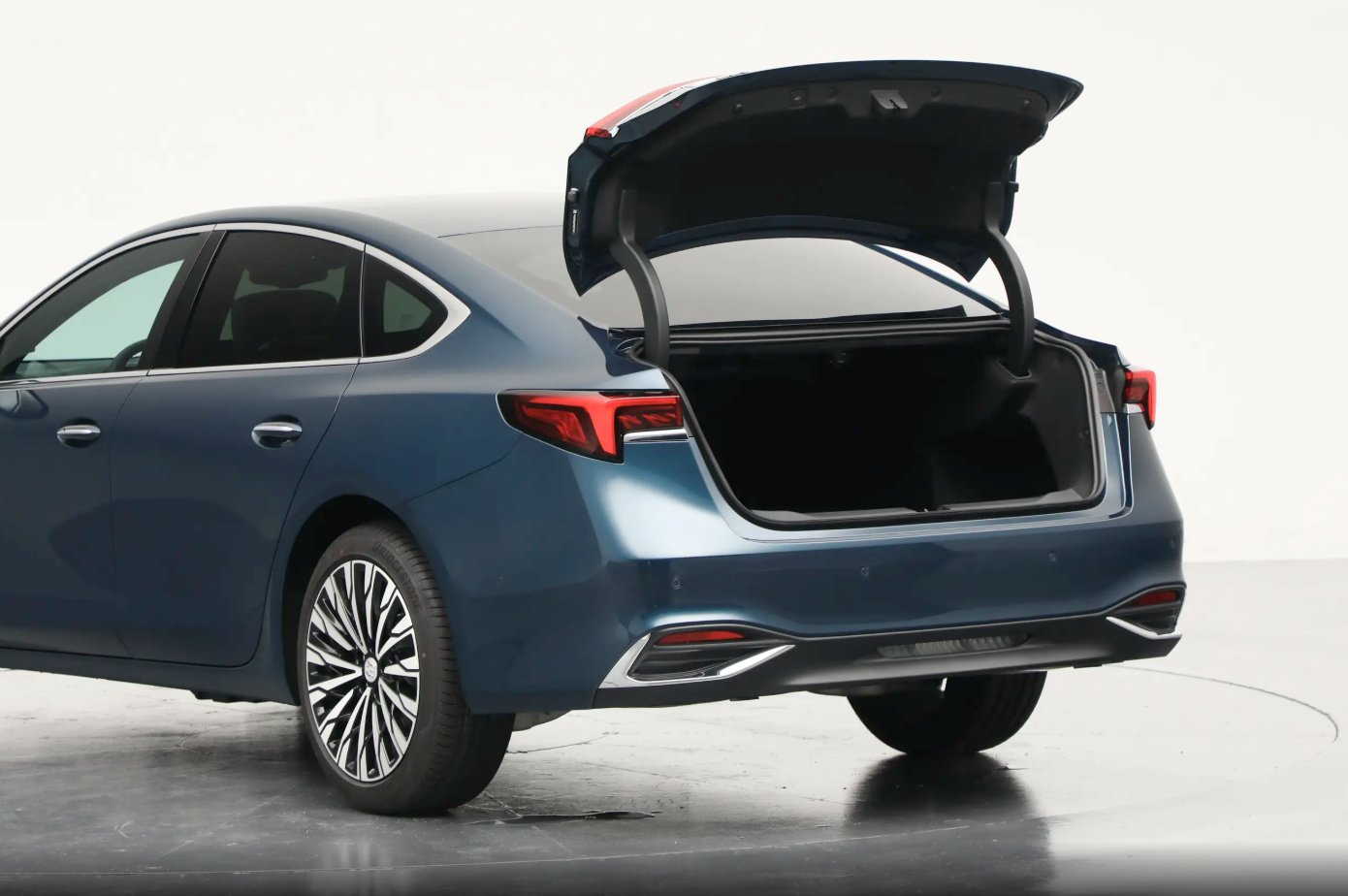
The exterior is actually somewhat interesting—it doesn't go all-in on mature business styling. The front face still has Buick's signature shark-nose flavor, with a sizable trapezoidal grille whose internal texture has been rearranged, 7-shaped light clusters extending to both sides, and a horizontal chrome strip on the front bumper, keeping a refined feel. The body has a low, sloping fastback stance, with a waistline stretching from front to rear, clean and crisp. The newly added ink-bamboo green paint paired with multi-spoke two-tone wheels gives it a touch of youthful energy within its elegance, without looking old-fashioned. At the rear, a horizontal light bar plus lower trim pieces add a bit of fashion to its steadiness. It fits both family and business occasions—dropping the kids off or meeting clients, it's presentable.
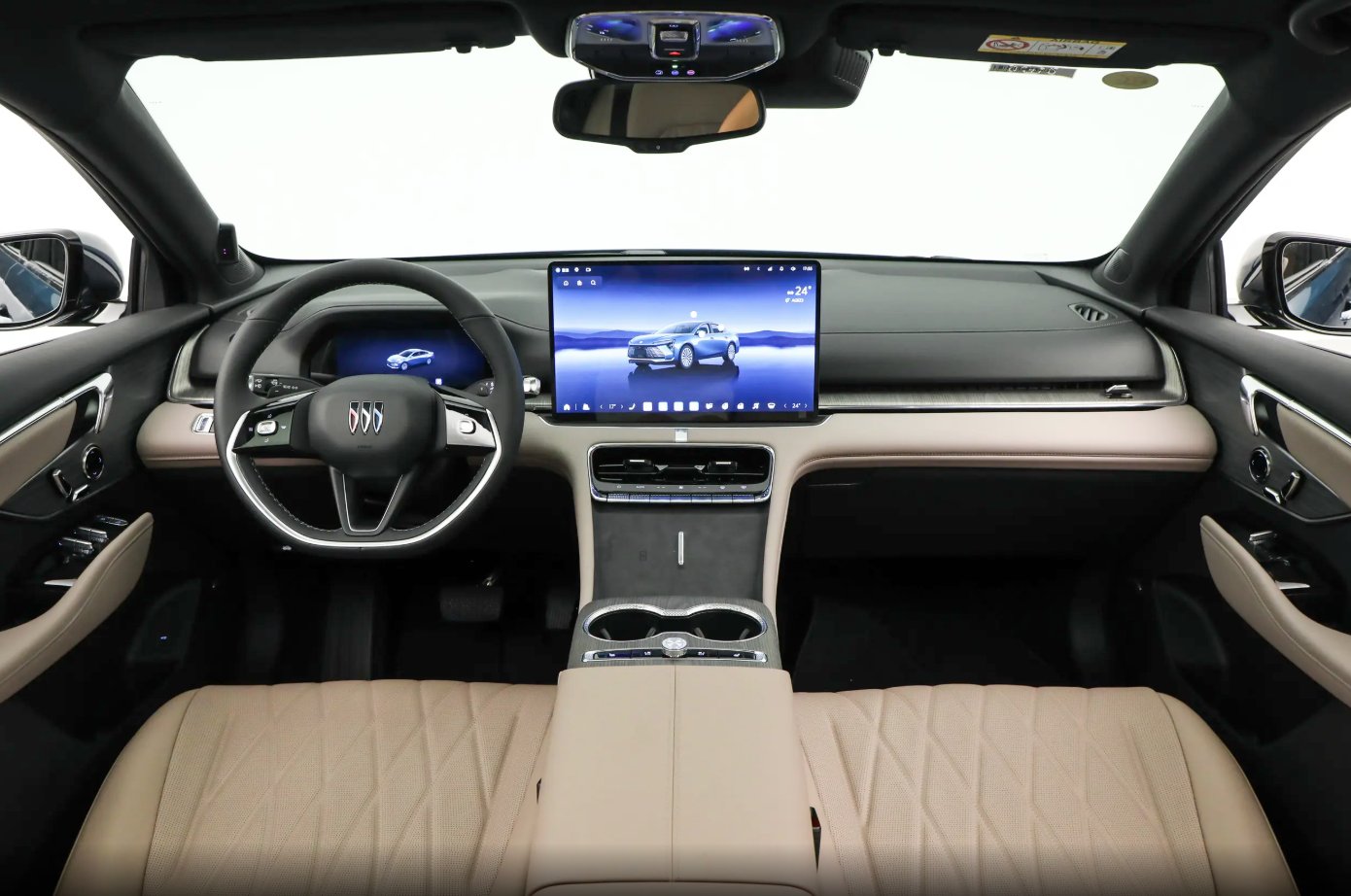
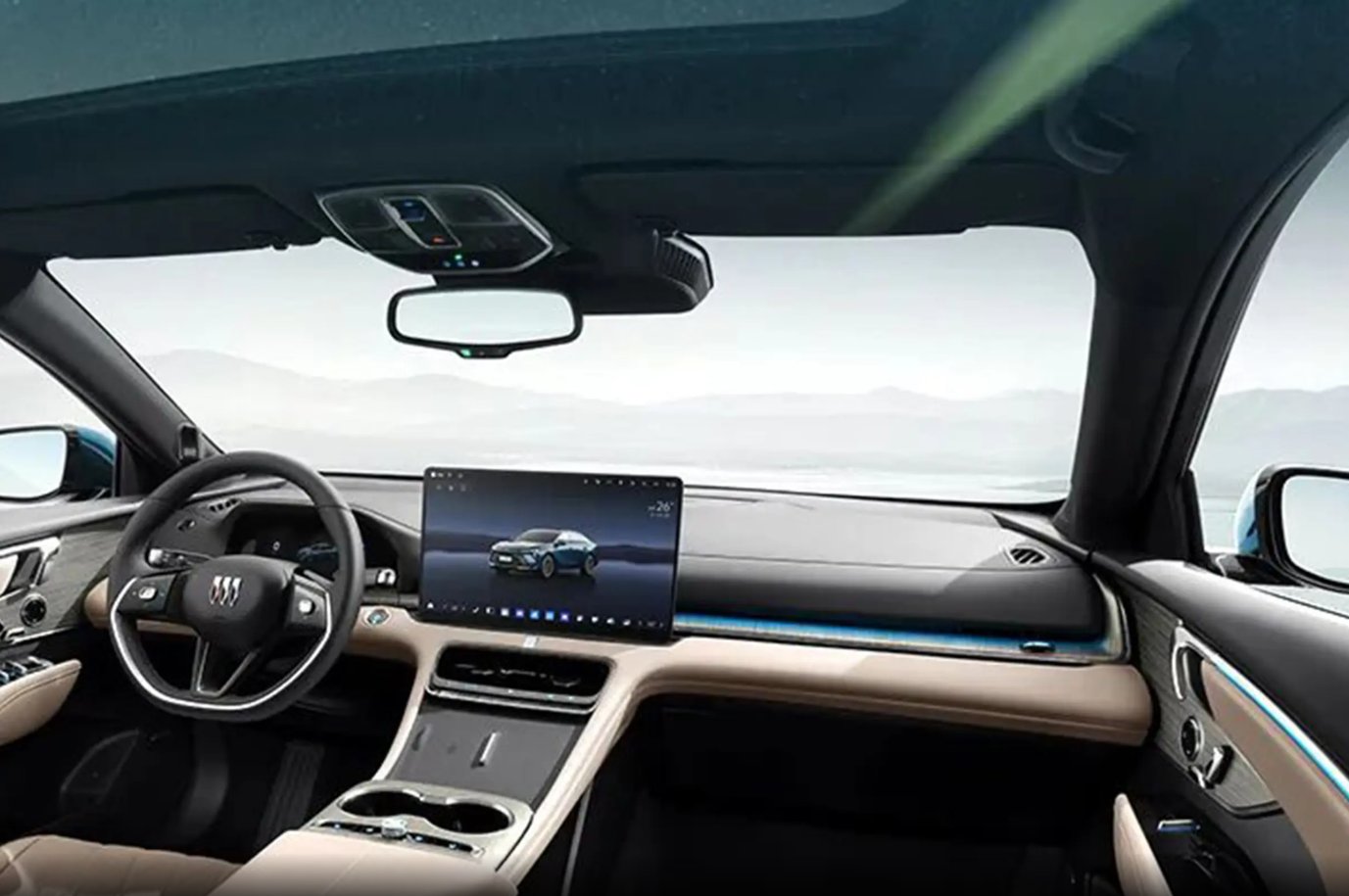
Sitting inside the cabin, the upgrades are even more intuitive. The interior follows a minimalist route, not relying on exaggerated styling to draw attention, with effort spent on touch and details. Most places your hands can reach are wrapped in soft materials, paired with stitching and trim, looking uncluttered and feeling free of cheap hard plastic. Details like stitching hold up to close inspection. The 121-color ambient lighting can be adjusted to your preference, giving some atmosphere for night driving without being glaring enough to affect driving, and it can also serve as a soothing little night light for kids in the back. The entire cabin feels easy on the eyes and not flashy, not tiresome after long sitting. The color scheme and materials are understated, but they don't become annoying over time—this sense of restraint is actually harder to achieve than piling on materials.
Sound insulation is the LaCrosse's specialty, and this generation hasn't lost it. The front row uses acoustic laminated glass, plus an ANC active noise cancellation module. For city commuting, tire noise and wind noise are blocked fairly cleanly—noisy traffic outside fades once the doors and windows are closed; on the highway, the cabin also stays quiet, so you don't need to raise your voice to talk, and chatting or taking calls in the car is easy. For people who often drive long distances, or simply like quiet, this quietness itself is a kind of luxury, and it's also something many families value when choosing it.
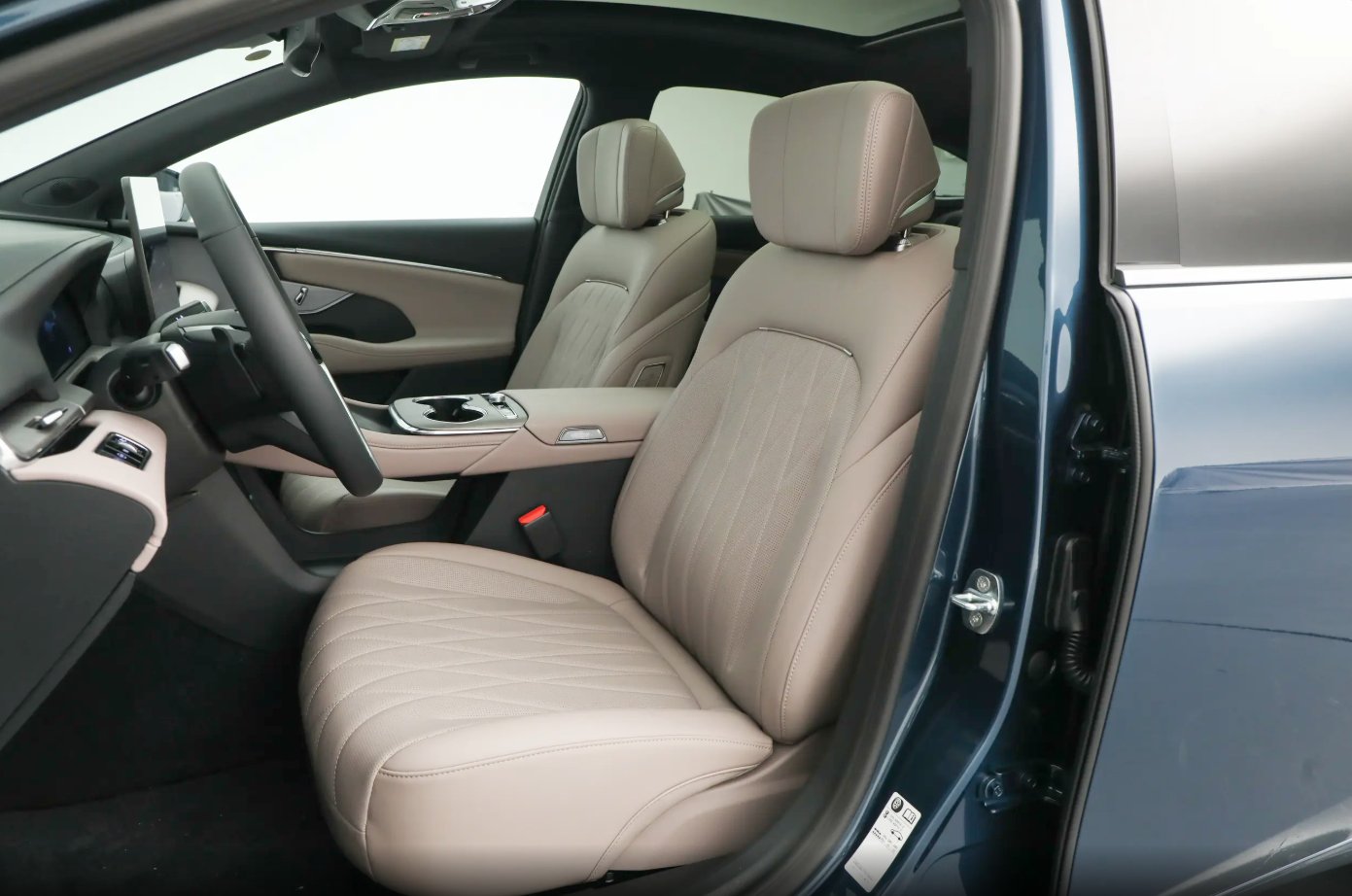
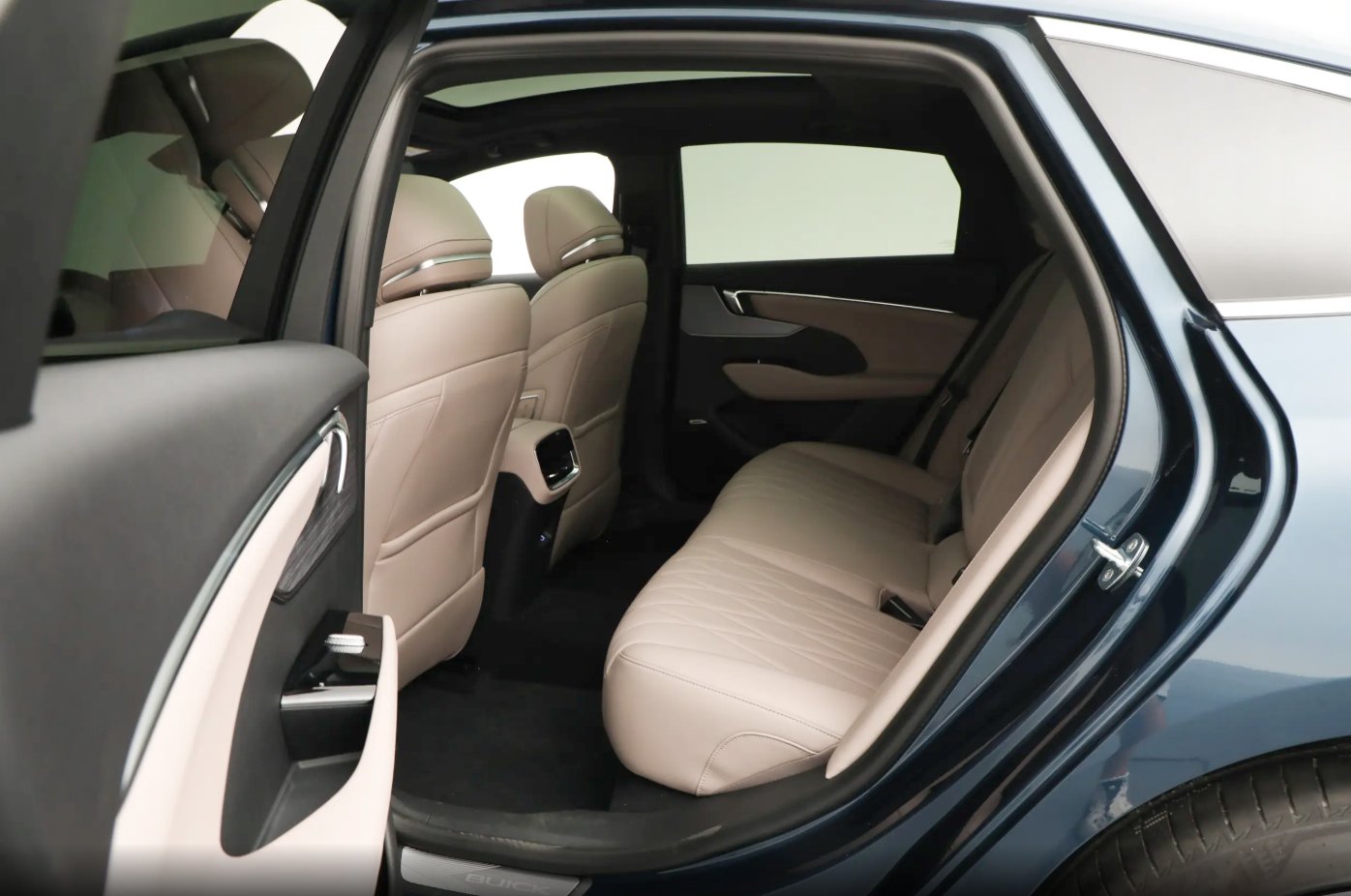
The seats are also fully equipped this time. The entire lineup gets cloud-feel pressure-relieving seats with heating, ventilation, and massage—no need to agonize over trim levels. They feel just right in firmness and offer enough support, making long drives less likely to cause backache; ventilation in summer keeps you from sweating, heating in winter warms up quickly, and massage on long trips helps relieve fatigue. These functions are genuinely useful. Thanks to the long wheelbase, rear legroom is very generous—a person of normal height can easily cross their legs, and older passengers can get in and out without difficulty. The fastback shape has been specifically addressed so headroom isn't cramped. The rear row has independent air vents and charging ports, taking care of both front and rear. On long family trips, neither front nor rear passengers will feel miserable. If elderly people and children really do go out together, the rear width can still handle three adults. The trunk is 506 liters, making it easy to bring several large suitcases and a child's stroller for a family trip. For everyday cargo, it's enough for most families.
The infotainment system is an obvious weak spot this generation has addressed in its facelift. In the past, many people thought of fuel vehicles as having laggy systems and few functions, a step behind new energy vehicles. The 2027 LaCrosse uses Buick's Xiaoyao electronic architecture, with the 8155 chip standard across the lineup, paired with a 15.6-inch low-blue-light floating central control screen. The system runs smoothly, with no obvious lag when swiping or tapping, and the low-blue-light screen is easier on the eyes over time. The instrument cluster is an independently embedded LCD screen, blending naturally with the center console, with intuitive information reading—navigation, speed, and other essentials can be grasped with a glance while driving, without looking down to search. The real value of this system lies in being handy for daily use: you can understand it as soon as you get in, without flipping through the manual.
Voice control is one of the more outstanding parts of this infotainment system, integrating the Doubao AI large model. It can not only understand long sentences, but also handle multiple intentions together. For example, with one sentence—“lower the AC temperature a bit, open the window, and play some light music”—the system can complete it all at once, without giving separate commands one by one, which is especially convenient while actually driving. In daily driving, most operations can be done by voice, so you don't get distracted tapping the screen, saving effort and reducing safety risks. The whole system logic is clear, with commonly used functions in prominent positions, and physical buttons are retained for easy blind operation. It doesn't abandon practicality in pursuit of all-touch controls, which is quite friendly for first-time users.
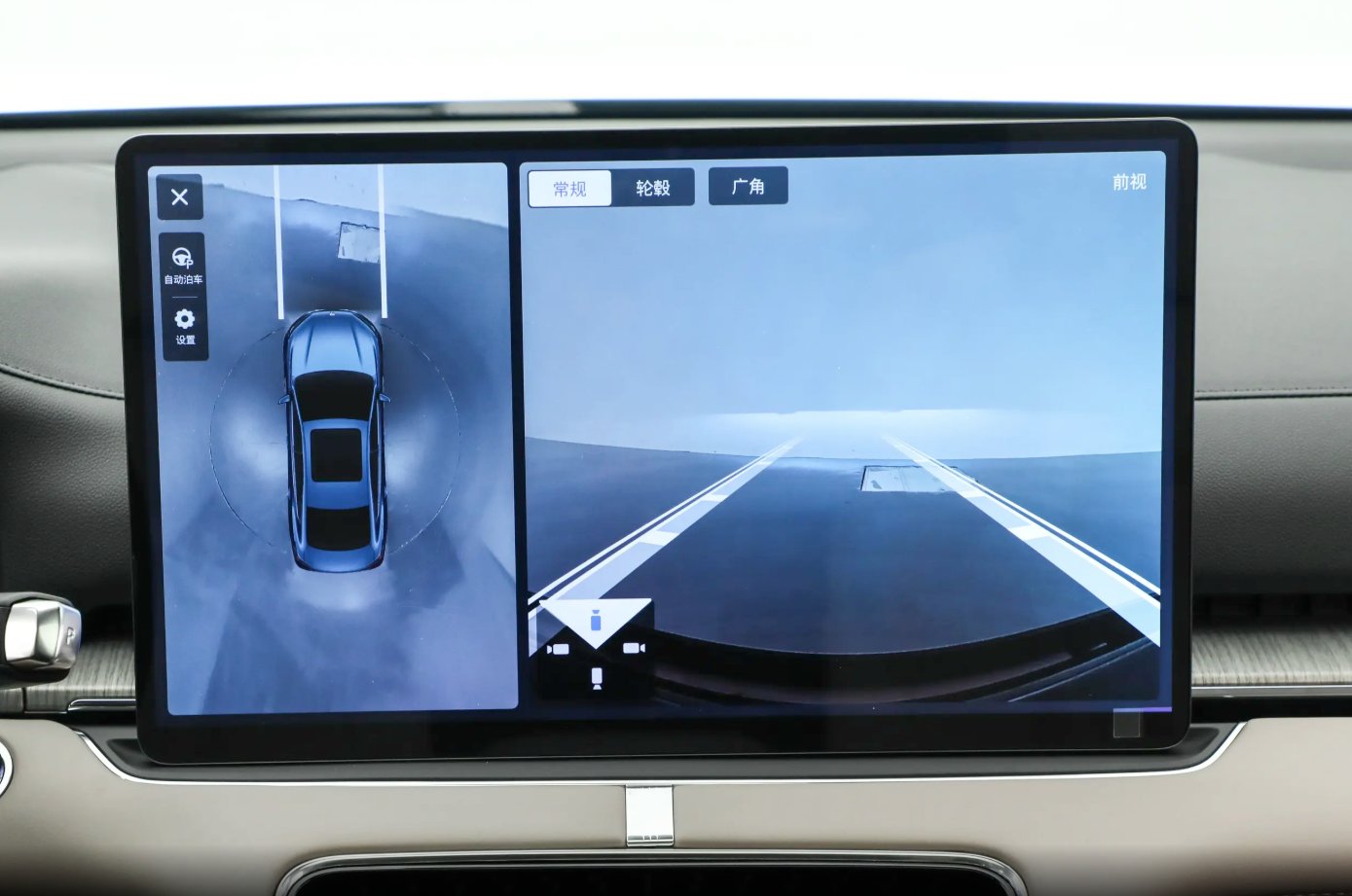
Assisted features are fairly generous across the lineup. APA automatic parking, full-speed-range ACC adaptive cruise, and 360-degree surround view are all standard, with no need to pay extra to add them. Automatic parking handles most regular spaces without issue, and even novices can park; parallel parking and reverse parking, the common scenarios, are covered. On the highway, full-speed-range ACC following reduces long-trip fatigue, letting your foot rest. The surround-view image quality is clear, so on narrow roads or when parking, you can clearly see whether there are obstacles around, reducing scrapes. These features are used frequently and are given directly, making daily use worry-free and handy no matter who in the family drives. Especially for novices or older family members, the surround view and automatic parking can help a lot, making parking much less difficult.
Safety hasn't been skimped on either. The body uses a large amount of high-strength steel, with reinforcement at key stress points, so impact force can be dispersed in a collision, reducing the chance of cabin deformation. Multiple airbags cover the front and sides, making passive safety fairly solid. Coupled with active assistance like surround view and adaptive cruise, potential risks can be detected earlier when starting, following, merging, and parking, lending a hand when necessary and adding another layer of backup. With a whole family in the car, this sense of safety can't be bought with money, and it's also why many families put it on their shortlist. On the road, one more measure of ease means one less measure of anxiety.
Back to the dilemma at the beginning. At the 150,000 price point, if you want space, quality, and features all at once, previously you'd have to compromise on something. The 2027 LaCrosse bets on “more equipment without a higher price.” From the five-meter-class body, to full-cabin soft wrapping and fully featured seats, to the infotainment voice and assistance features being filled in, with a 2.0T plus 9AT and a steady chassis underneath, the sense of luxury is placed into every corner of daily driving. For people whose budget is around this level and who don't want to settle for a pure commuter car, this car can be an option worth putting on the shortlist. It has no gimmicks; every upgrade steps into the real needs of daily driving, with the goal of letting the family sit comfortably and drive with peace of mind. No need to stretch upward for a higher trim—what the entry version offers is already enough to support a family's travel dignity, taking care of both face and substance.


