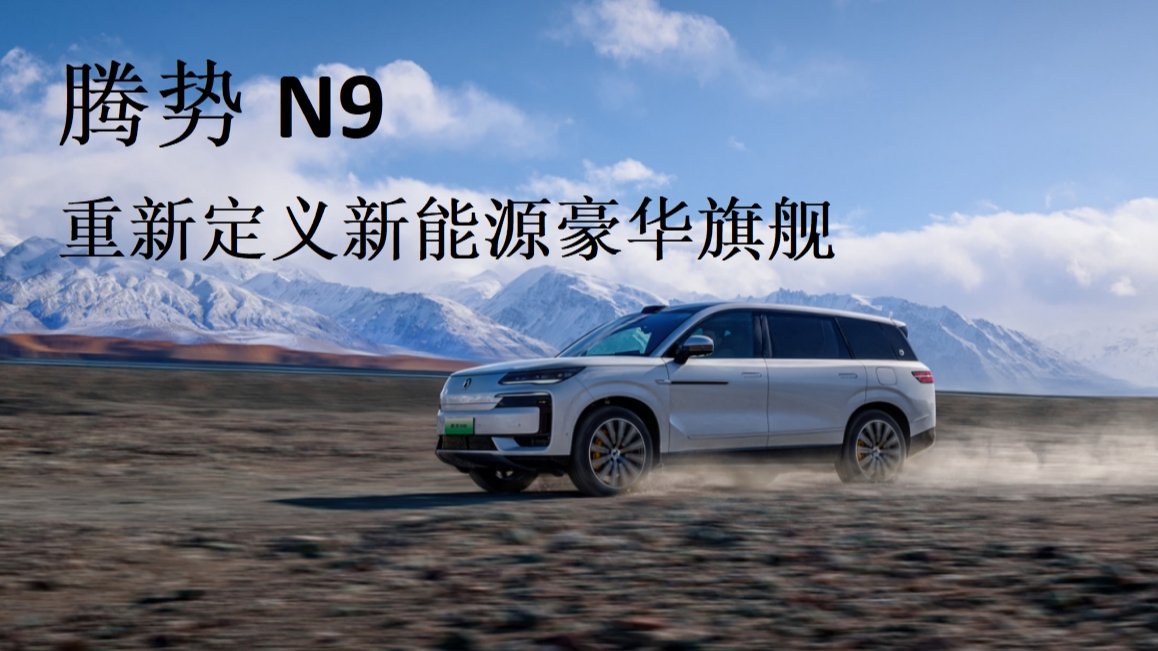
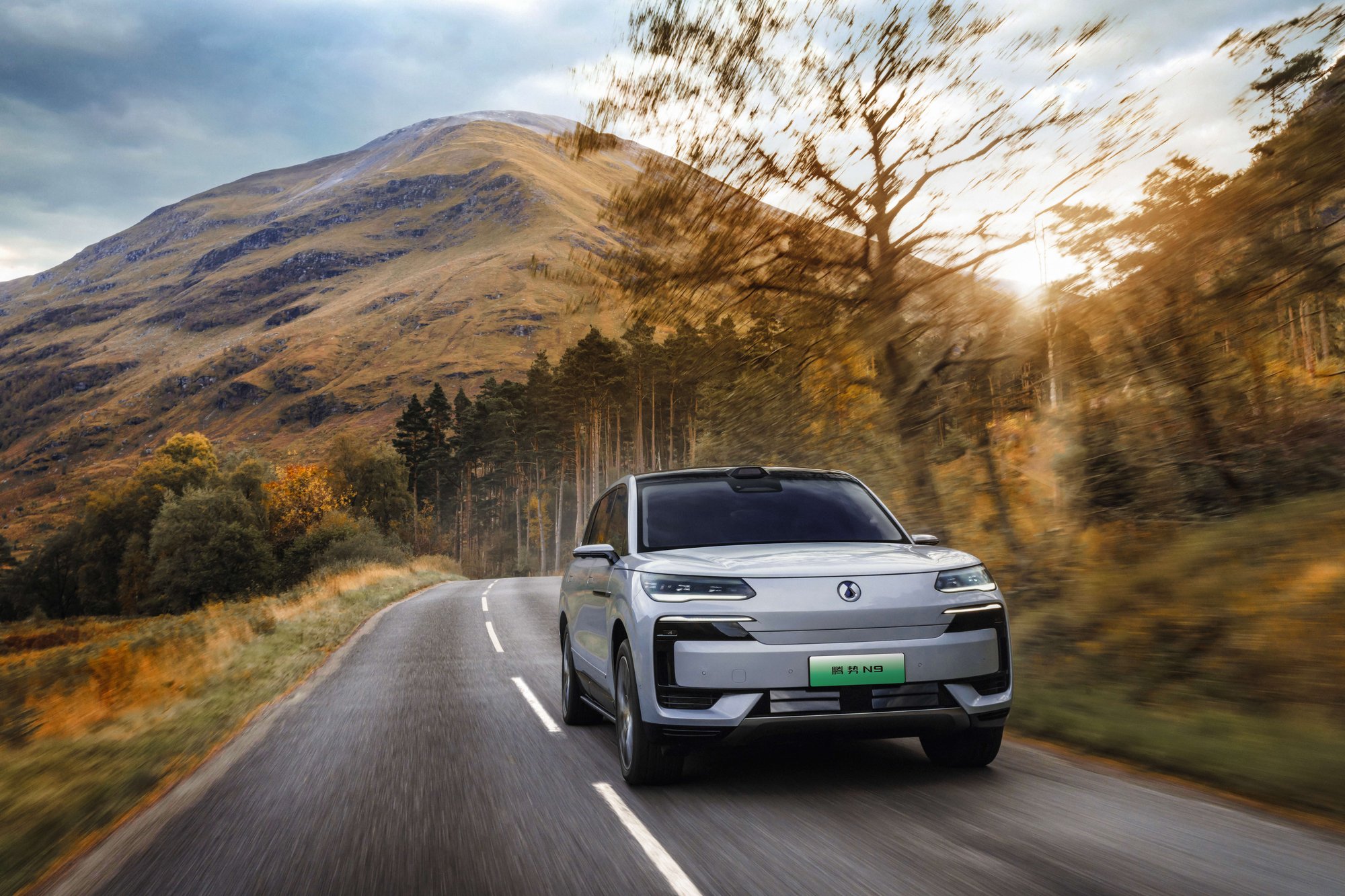
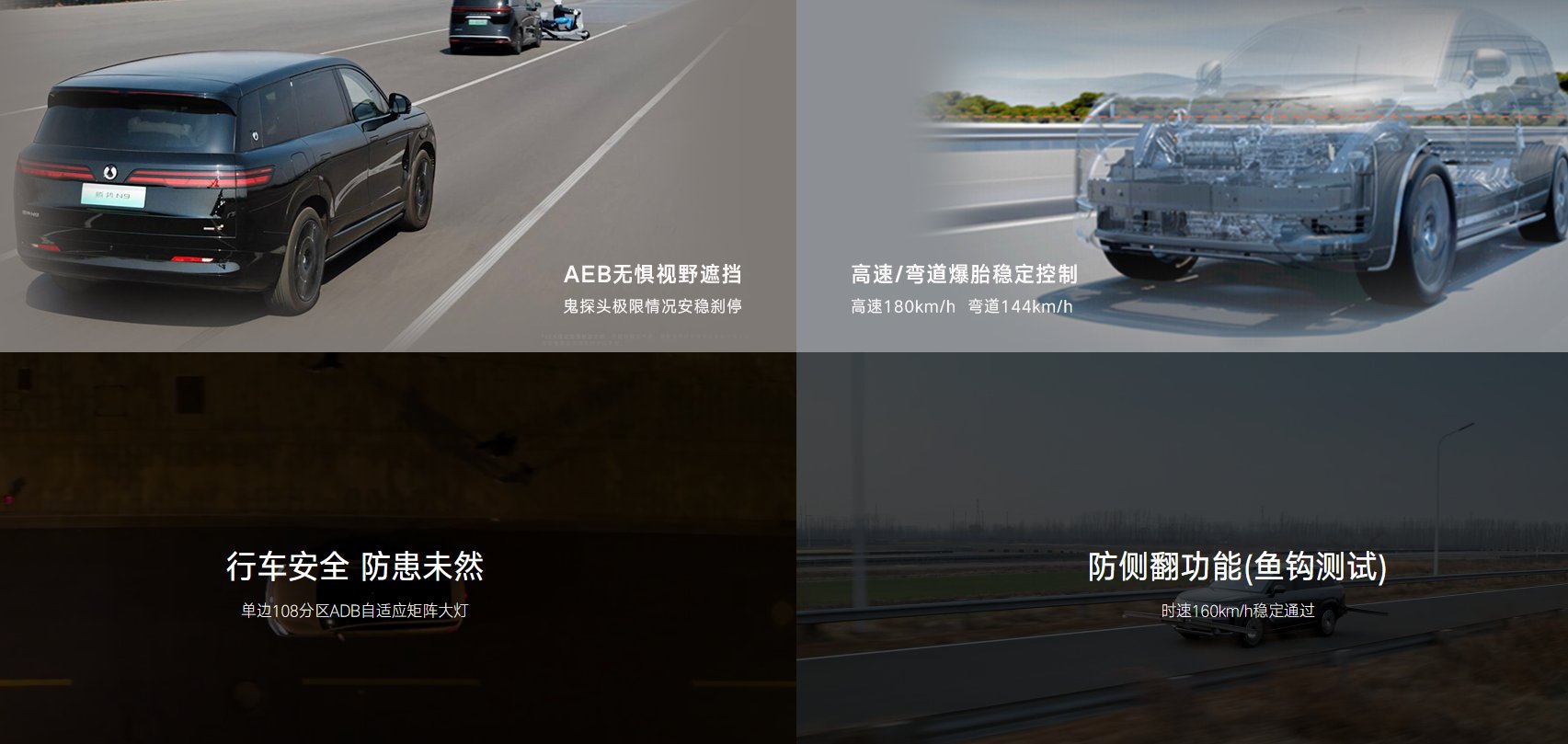
In the history of the automobile industry, the "moose test" was once an important benchmark for measuring a vehicle's dynamic safety. This test simulates a vehicle's stability during high-speed emergency lane changes, testing the coordinated capabilities of body rigidity, chassis tuning, and electronic systems. In the era of new energy, when a car can still maintain a posture with almost zero body roll while completing the moose test at a speed exceeding 160 km/h, there must be disruptive technological breakthroughs behind it. Tengzu N9 — the flagship model of BYD's high-end new energy brand — has announced the birth of a new benchmark in the new energy luxury SUV market with exactly such an extreme handling performance.
I. Moose Test
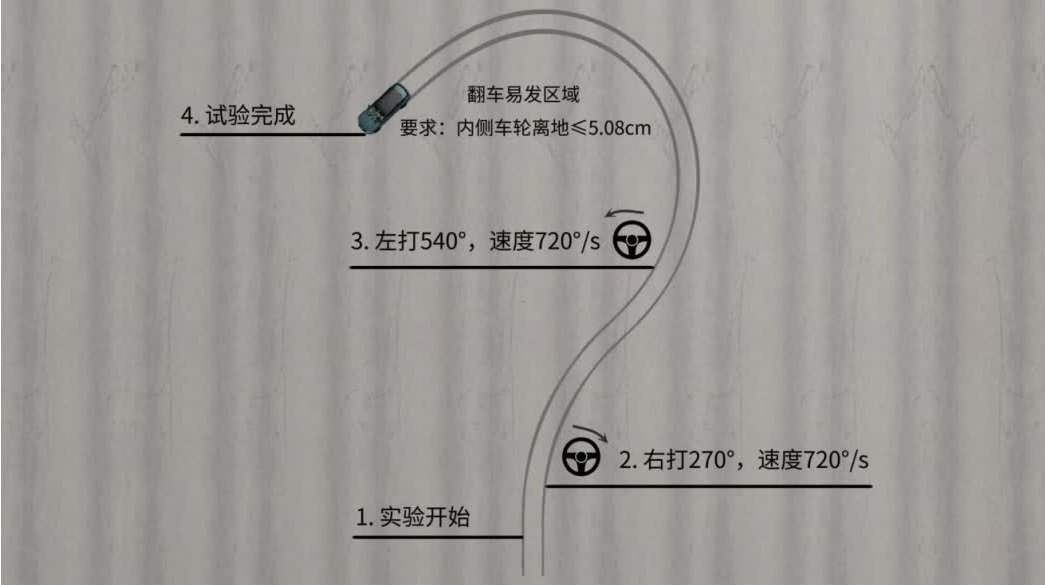
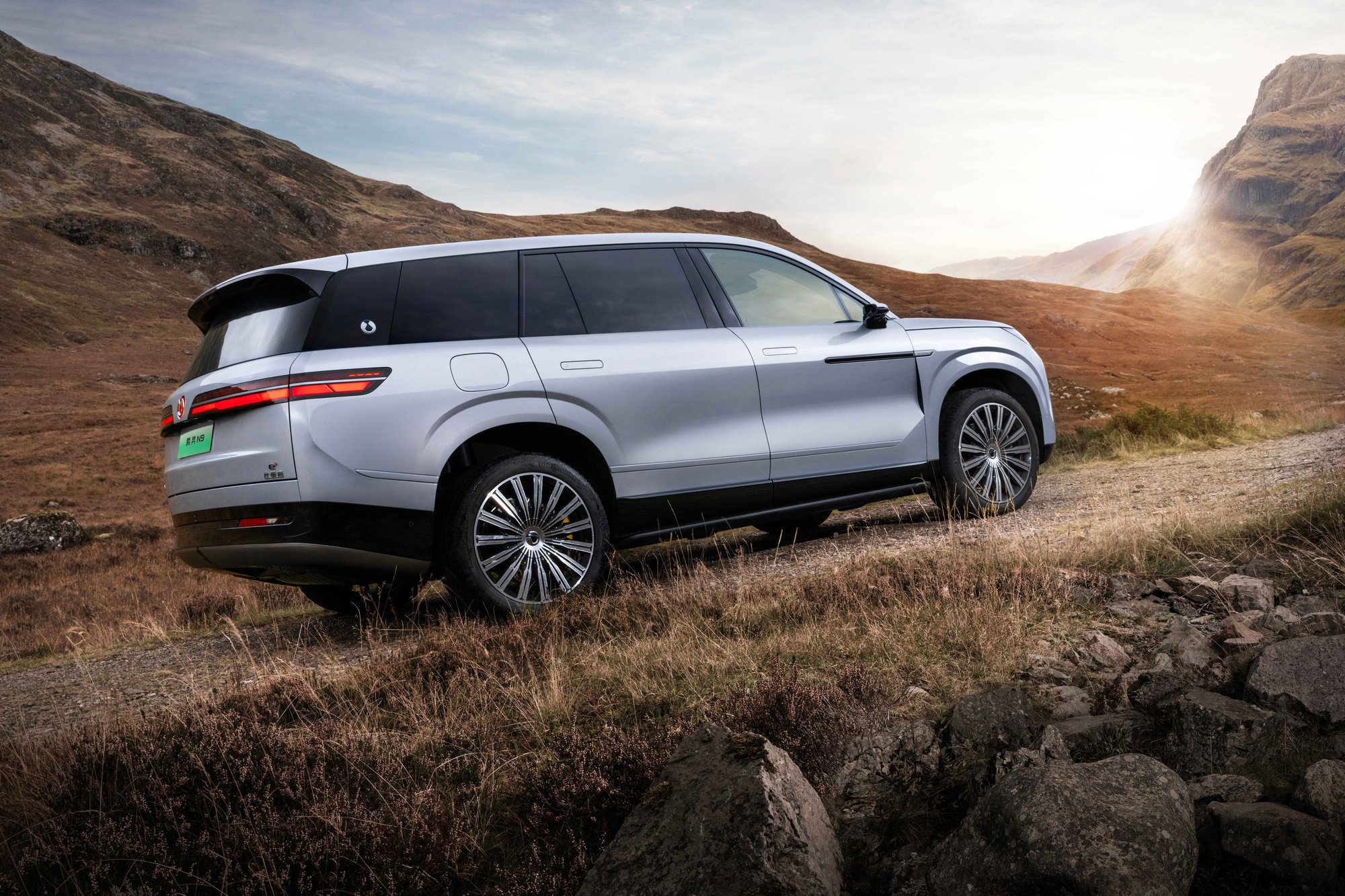
The moose test requires the vehicle to enter the test area at a specified speed of 56 km/h-80 km/h, quickly steer 270° to one side of the vehicle, and then, within 2 s, when the vehicle reaches its maximum roll angle, quickly steer the steering wheel 540° in the opposite direction. The test requires a steering speed of 720°/s. This extreme hand speed and steering precision are difficult even for experienced drivers to achieve, so the test is operated by a steering robot to ensure objectivity. As a large SUV with a length of 5.25 meters and a curb weight of more than 3 tons, the Tengzu N9 passed the moose test at an extreme speed of 160 km/h, far exceeding the international standard (80 km/h) and the 82.4 km/h result held by the Porsche Cayenne. Behind this stunning performance is the coordinated operation of the "e-Platform 3.0" intelligent electric architecture and the Cloud辇-A dual-chamber air suspension equipped on the Tengzu N9.
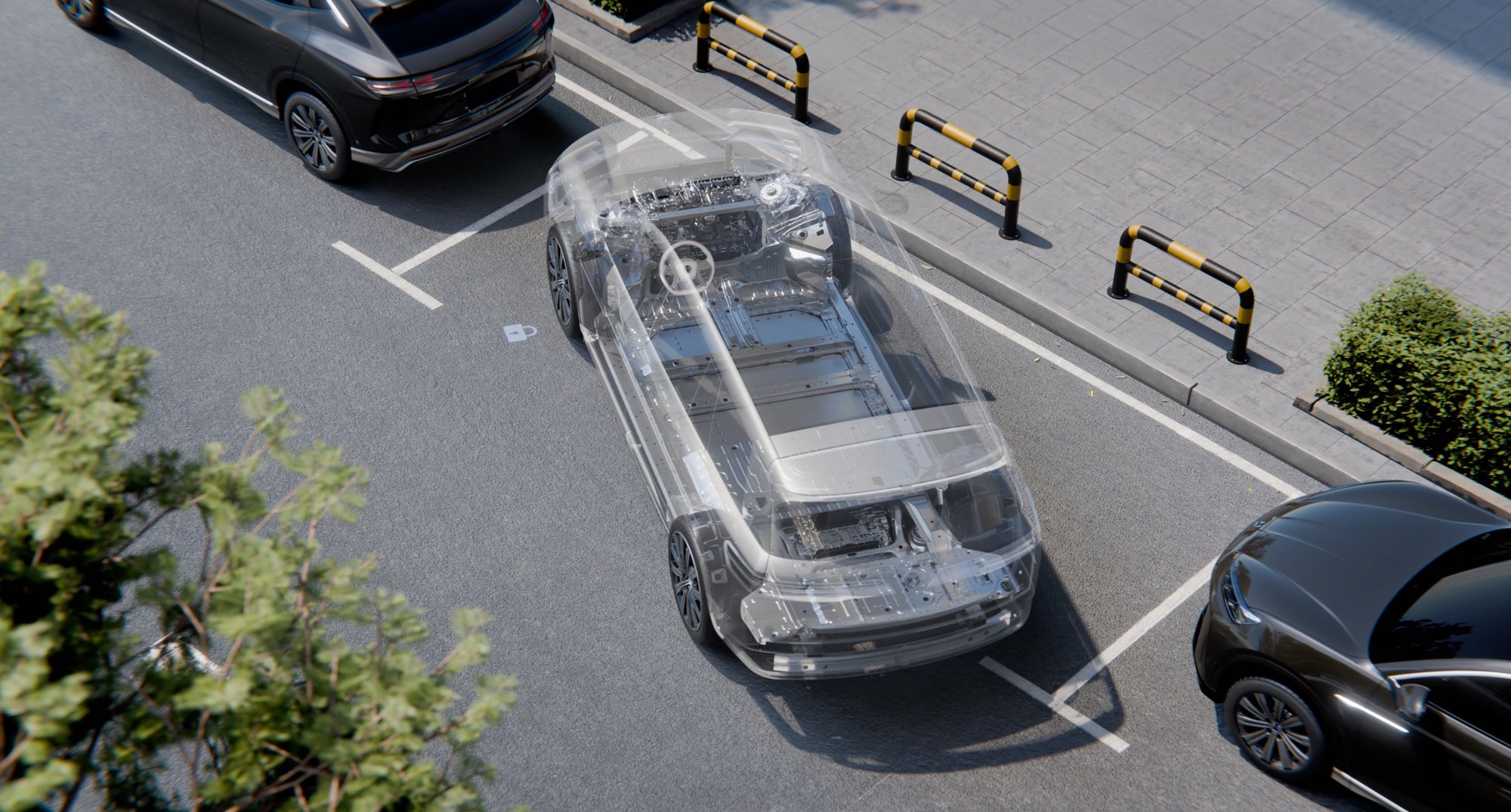
The "e-Platform 3.0" architecture's front axle is equipped with a 220 kW permanent magnet synchronous motor and two 240 kW motors on the rear axle. They can not only output power independently, but also intervene in advance at the edge of vehicle instability through a millisecond-level torque distribution algorithm. For example, when the system detects a decrease in grip on the outer wheel, it can transfer torque from the inner wheel to the outer wheel within 10 ms, cooperating with the real-time adjustment of lateral support force by the Cloud辇-A suspension to form an "electronic anti-roll bar" effect. This electromechanical integrated active safety strategy increases the handling limit of the Tengzu N9 by more than 30% compared with traditional mechanical four-wheel-drive systems.
II. Super Hybrid 2.0T
If the moose test demonstrated the "bones and sinews" of the Tengzu N9, then its 2.0T turbocharged engine and EHS electric hybrid system interpret the ultimate form of a new energy powertrain. The 2.0T engine adopts full Miller cycle technology, optimizes the combustion process and intake and exhaust systems, and improves energy conversion efficiency. The EHS electric hybrid system abandons the traditional "engine + transmission" structure, enabling the engine to focus more on power generation, while the driving task is mainly completed by the front motor. The design that decouples vehicle speed from engine speed keeps the engine always in an efficient operating range. The three motors of the Tengzu N9 have a maximum power of 925 horsepower, a peak torque of 1035 N·m, and a 0-100 km/h acceleration time of 3.9 s. Even more astonishing is that under NEDC conditions, the vehicle's fuel consumption at low battery is only 6.3 L/100 km, the CLDC pure electric range reaches 202 km, and the combined range with a full tank and full charge reaches 1302 km.
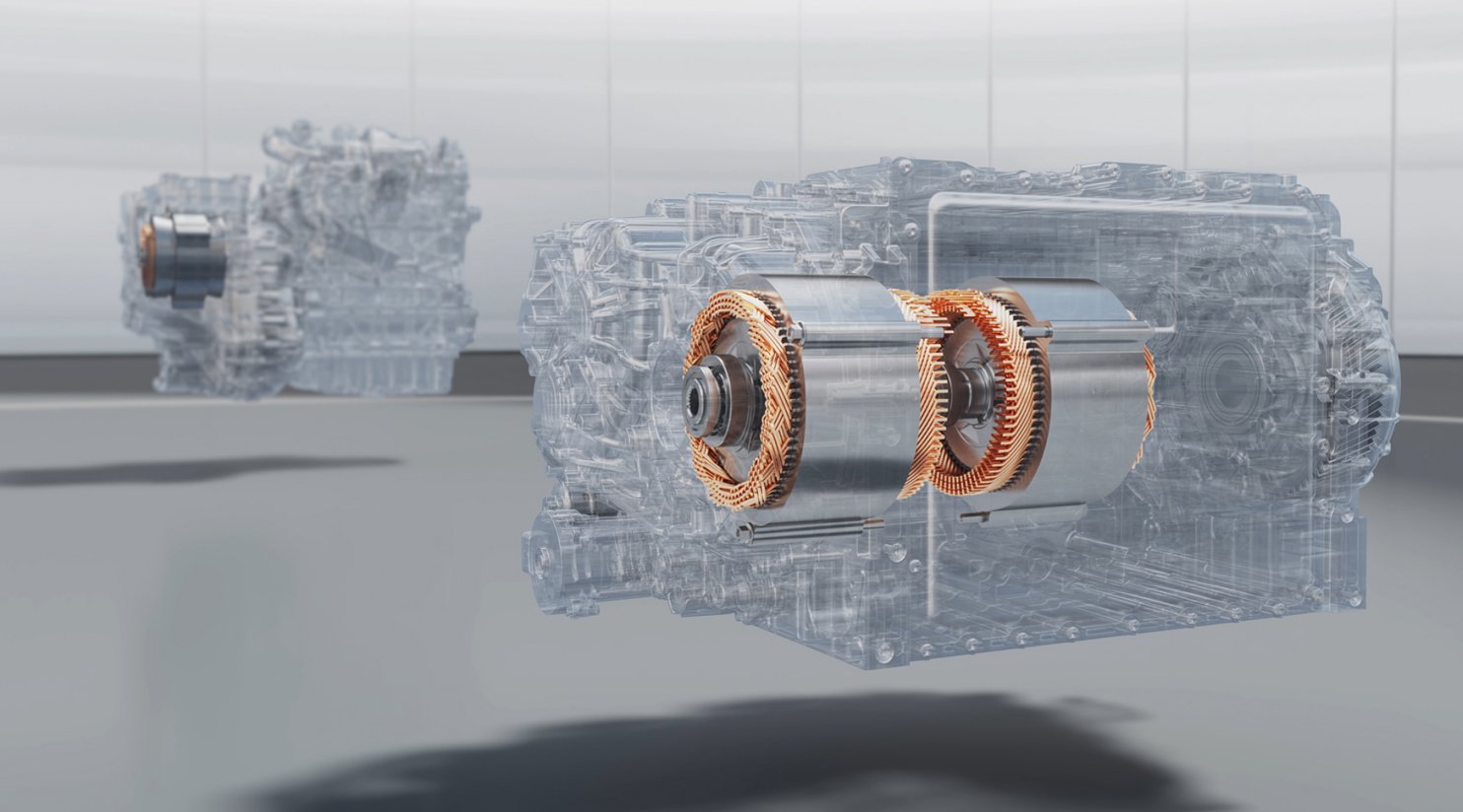
In terms of technical details, the fifth-generation DM hybrid system of the Tengzu N9 adopts a dual planetary gear set power split architecture. Unlike the fixed gear ratio limitation of a traditional single planetary gear set, this design allows the engine to operate within a broad efficiency range of 15%-85%, while achieving seamless coupling of oil and electric power through an intelligent clutch. During rapid acceleration, the motor and engine can drive the front wheels simultaneously, while the rear axle motor independently drives the rear wheels, forming an acceleration experience similar to a "full-time four-wheel-drive" fuel vehicle; while in cruising conditions, the system automatically switches to engine direct drive mode and charges in reverse through the P1 motor, increasing energy recovery efficiency to 97%.
III. Cloud辇-A Dual-Chamber Suspension
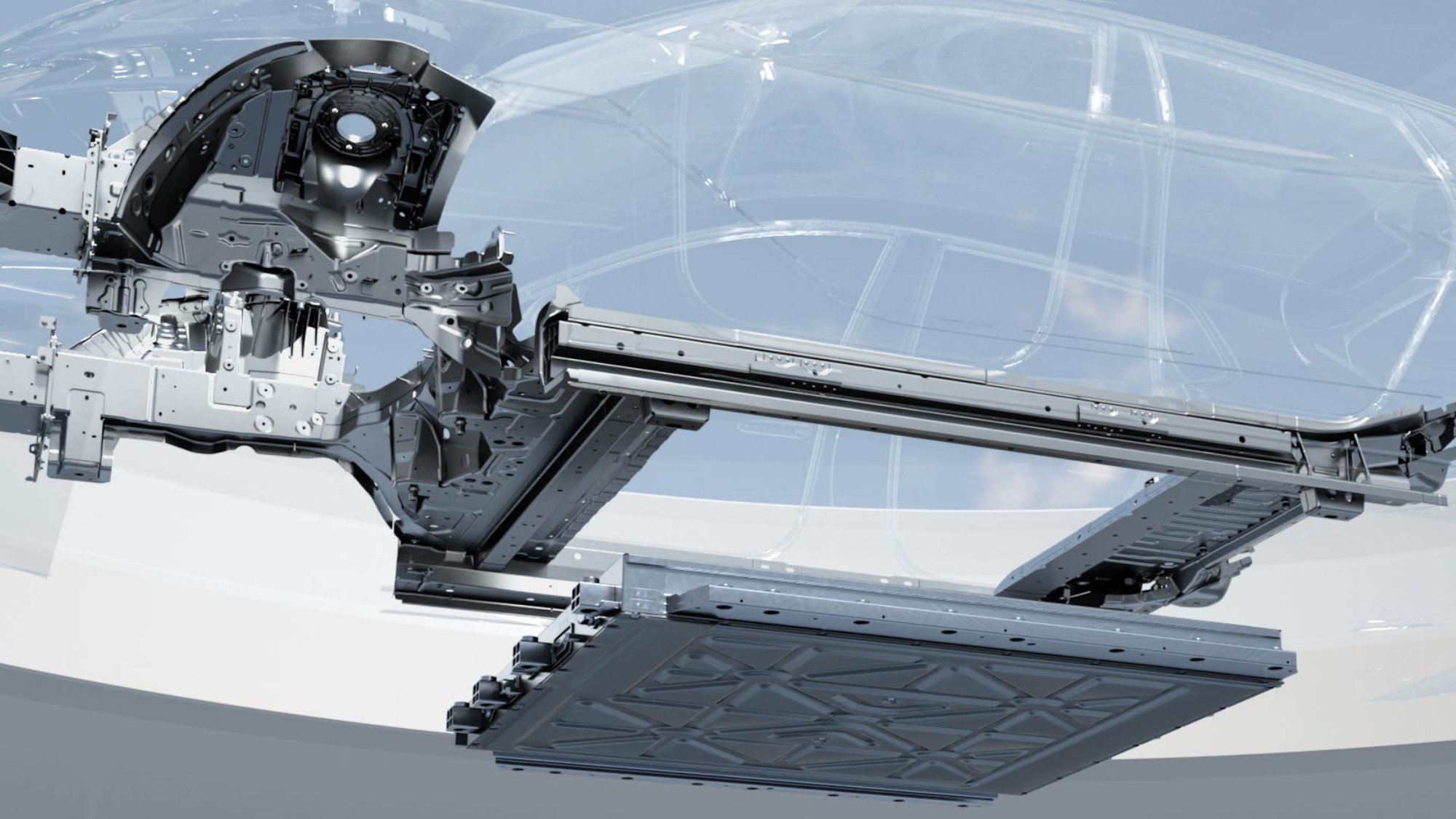
The Cloud辇-A dual-chamber air suspension of the Tengzu N9 is by no means a simple "liftable chassis," but an intelligent road surface analysis system with deep learning capability. Its dual-chamber structure consists of a high-pressure air chamber (responsible for rigid support) and a low-pressure air chamber (responsible for shock filtering and buffering), and the pressure ratio between the two chambers is adjusted in real time through solenoid valves. For example, when continuous speed bumps are detected, the system will reduce the pressure in the low-pressure chamber by 30% before the wheels touch the ground, increasing suspension travel by 15 mm and absorbing more than 80% of high-frequency vibrations; while during high-speed cornering, the high-pressure chamber instantly inflates to 2.5 Bar, increasing suspension stiffness by 40% and roll stiffness to 5000 Nm/deg.
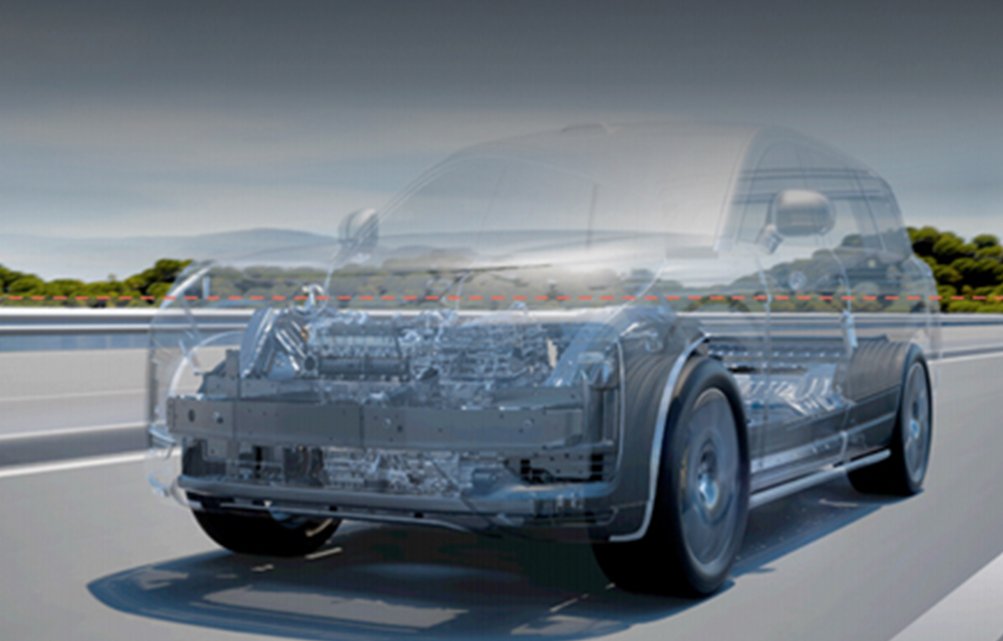
Even more revolutionary is that Cloud辇-A and the God's Eye intelligent driving system have achieved data interconnection. When the lidar predicts a pothole road surface 100 meters ahead, the suspension will enter "off-road preparation mode" 500 ms in advance, raising the ground clearance from the default 180 mm to 230 mm, while reducing the damping coefficient by 20%. This "predictive chassis adjustment" technology allows the Tengzu N9 to maintain precise road handling while also possessing passability comparable to a hardcore off-road vehicle.
IV. God's Eye B
The God's Eye high-level intelligent driving system (DiPilot B) equipped on the Tengzu N9 has hardware configurations including 2 NVIDIA Orin-X chips (508 TOPS computing power), 3 lidars, 12 cameras, and 6 millimeter-wave radars, forming a 360° perception network with no blind spots. But what truly disrupts the industry is its pioneering "spatiotemporal fusion decision algorithm" — the system not only analyzes the current road state, but also combines high-precision maps and real-time traffic flow data to predict road topology changes within the next 8 seconds.
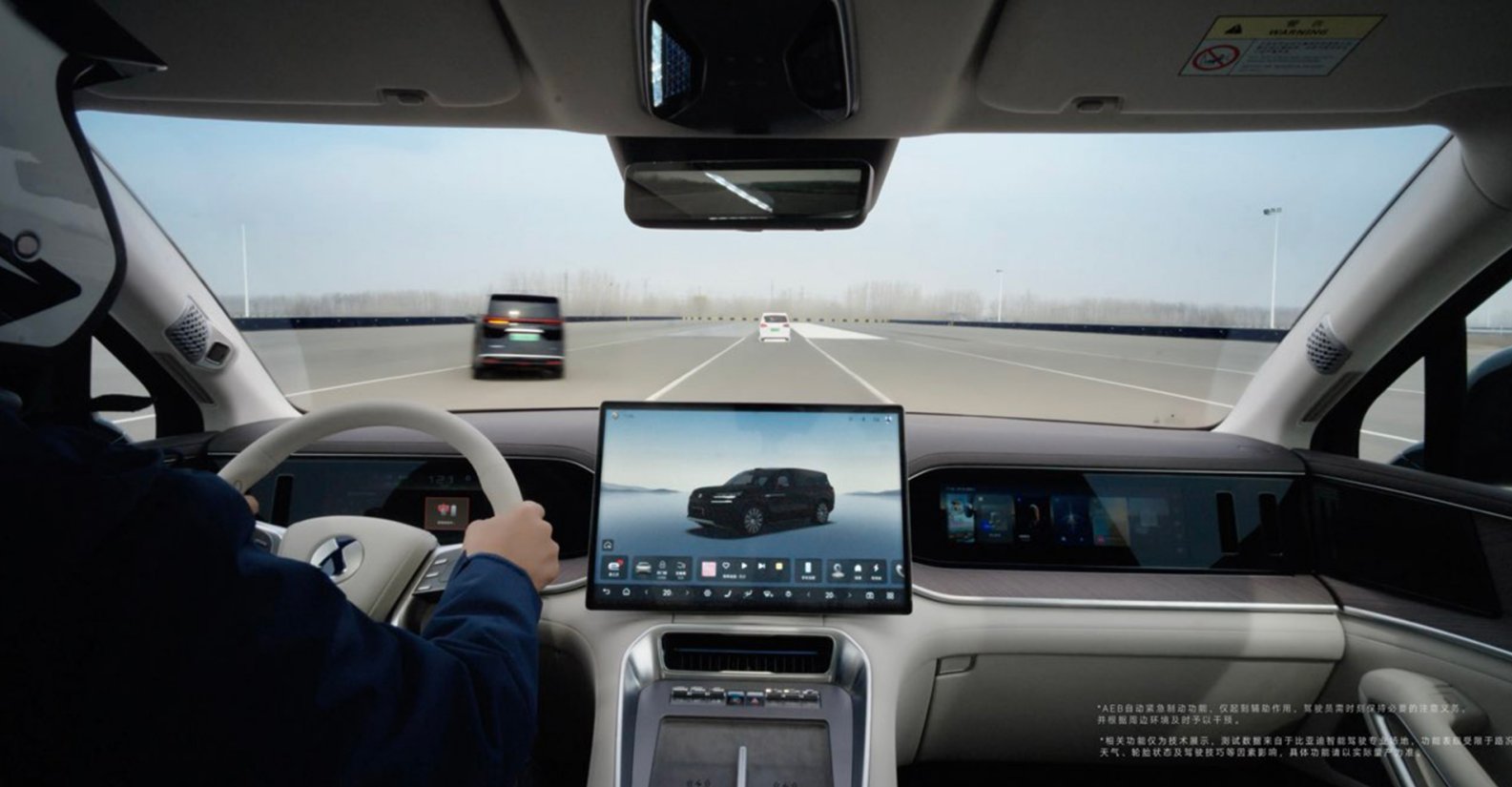
For example, in a highway scenario, when the system recognizes that a truck in the adjacent lane intends to change lanes, it will control the vehicle in advance to decelerate slightly at 0.2G, while obtaining acceleration data of vehicles within 300 meters behind through V2X communication, and calculate the safest lane-change window. In urban NOP (Navigate on Pilot) mode, the vehicle can autonomously complete compound operations of "unprotected left turn + pedestrian avoidance + non-motor vehicle prediction," with a decision response time 300 ms faster than a human driver.
V. Starting price of 389,800 yuan
The Tengzu N9, with a starting price of 389,800 yuan, appears to cut into the heartland of traditional BBA fuel SUVs, but in fact it is building a completely new value coordinate system. In it, a 145 km pure electric range eliminates range anxiety, the Cloud辇-A suspension blurs the boundary between SUV and sedan, and the God's Eye system redefines the human-vehicle relationship. More importantly, its vehicle-wide intelligent architecture supports FOTA upgrades, which means users can continue to obtain performance improvements and unlock new functions after purchasing the car.
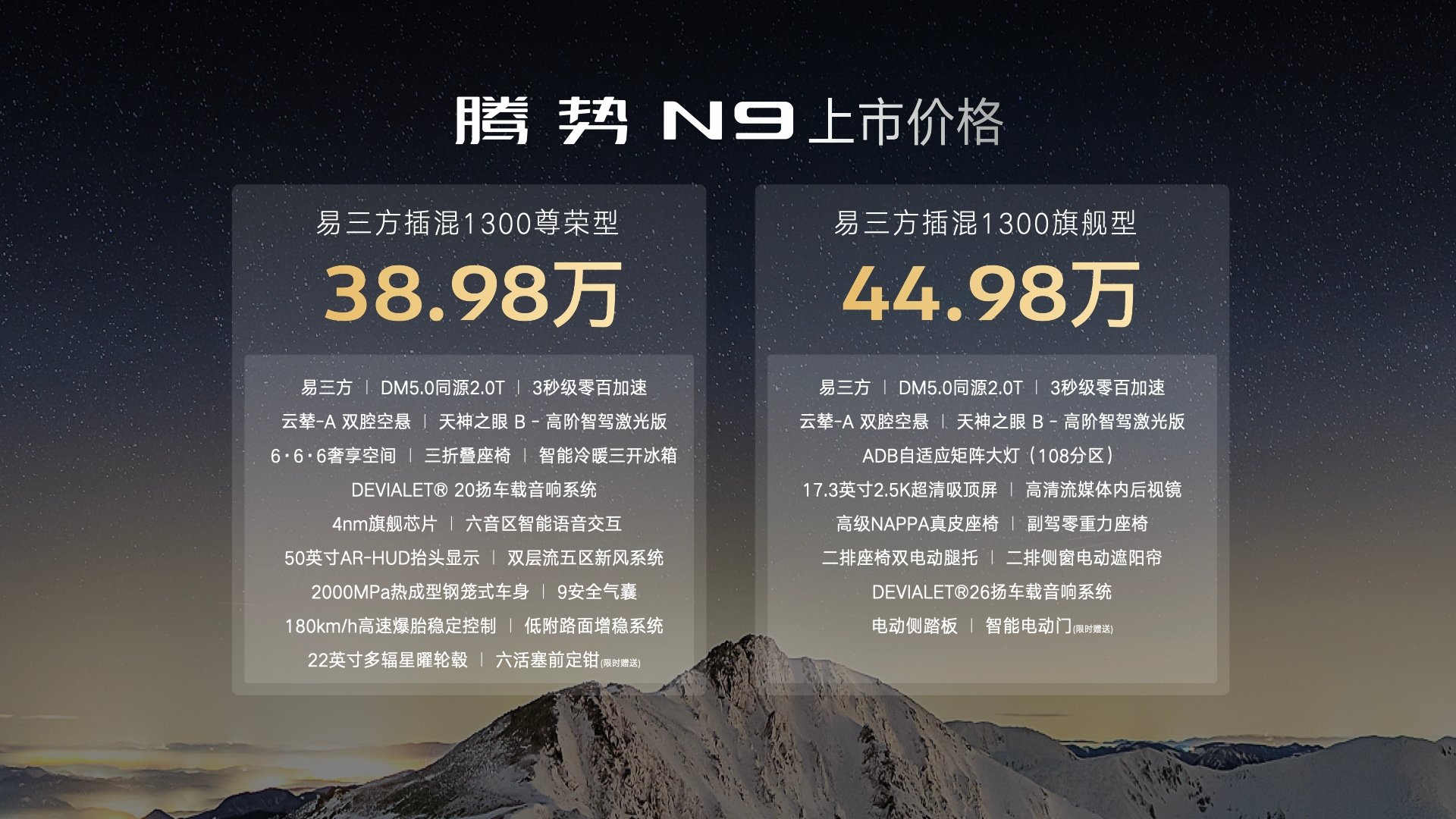
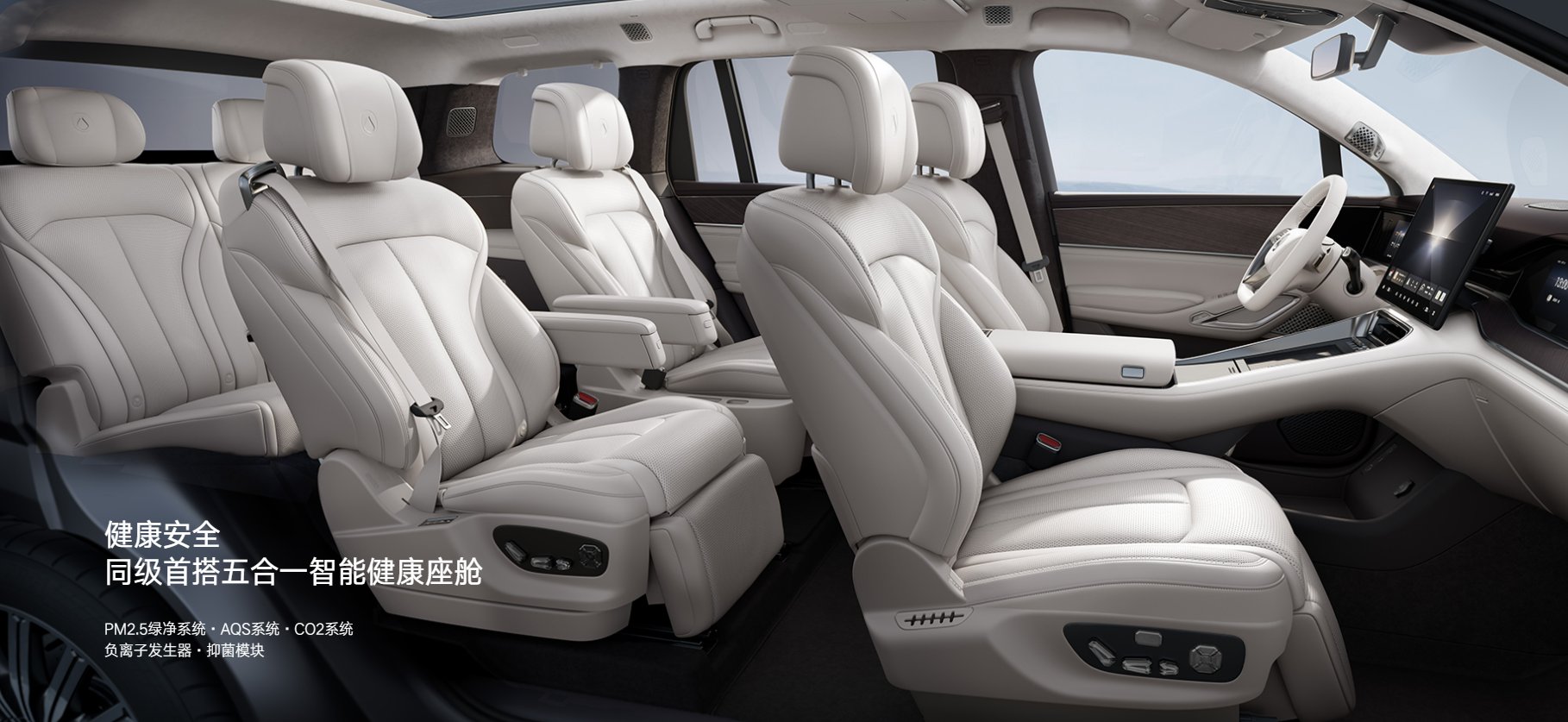
Market analysis shows that the core user group of the Tengzu N9 is not traditional luxury brand loyalists, but a group of new middle class pursuing "technological equality." They value both the explosive performance of 0-100 km/h in 3.9 seconds and zero-emission commuting in pure electric mode; they need both the luxury experience of executive-level rear space and Nappa leather seats, and also rely on the efficiency revolution brought by intelligent driving technology. The balance of these contradictory demands is precisely the confidence behind the Tengzu N9's courage to price itself at 389,800 yuan.
Conclusion
From the extreme handling of the moose test to the electromechanical integration of the e-Platform 3.0 architecture, every technological breakthrough of the Tengzu N9 is rewriting the rules. It proves that a new energy vehicle can simultaneously possess supercar-level performance, luxury car texture, and off-road vehicle passability, and these attributes once considered an "impossible triangle" are now completely broken by a Chinese brand through technological innovation. When the price tag of 389,800 yuan forms a chemical reaction with a 1302 km combined range, Cloud辇-A suspension, and God's Eye intelligent driving system, the Tengzu N9 is no longer just a car, but a technological manifesto about the future paradigm of mobility.