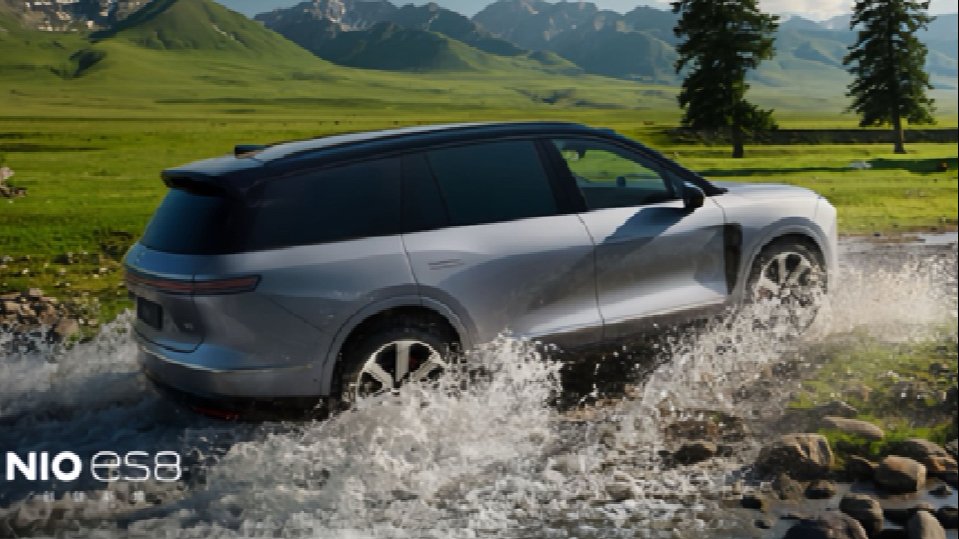
On July 9 at 19:30, the NIO ES8 large five-seat version was officially launched in Chengdu. This is the first five-seat layout model launched by the ES8 series since its generation change in September 2025.
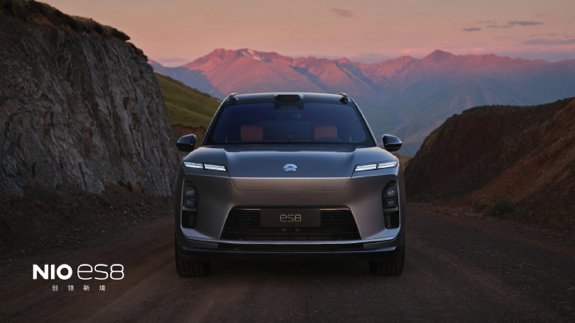
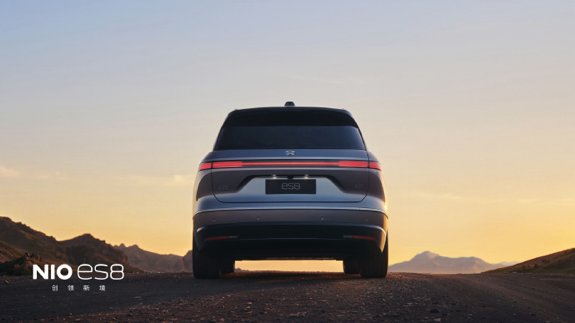
From the perspective of product definition, the large five-seat version is not simply a "de-contented" model, but a reconstruction of spatial logic. The new car has exactly the same body dimensions as the six/seven-seat versions, measuring 5280×2010×1800 mm in length, width, and height, with a wheelbase of 3130 mm, making it one of the largest pure electric SUVs in the Chinese market today.
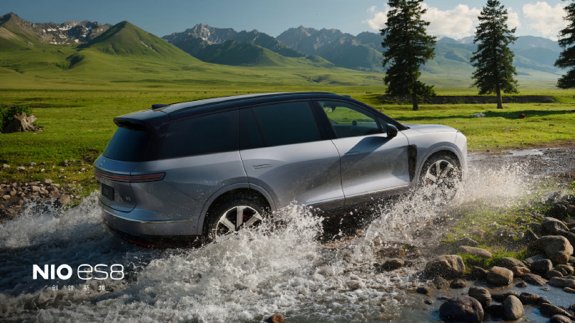
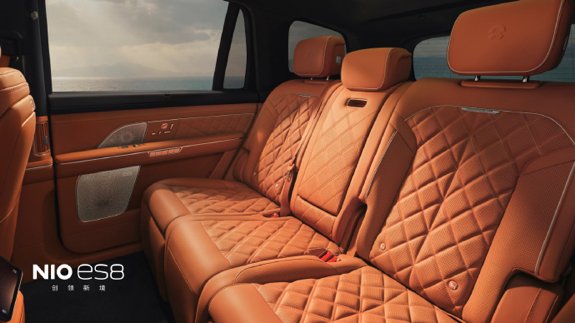
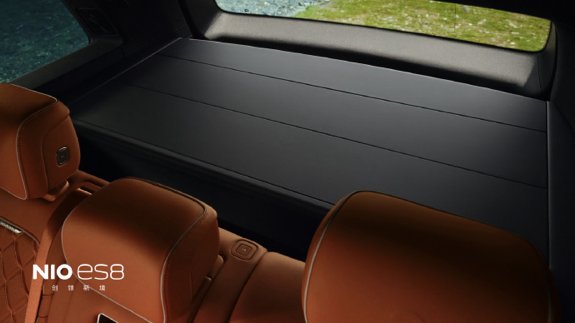
After removing the third-row seats, the second row as a whole moves rearward, second-row legroom reaches the largest in its class, and trunk volume increases by about 600 L, with regular volume reaching 1334 L. With the second row folded down, maximum loading space reaches as much as 3084 L. Cabin area reaches 6.2 ㎡, with 1.24 ㎡ per occupant.
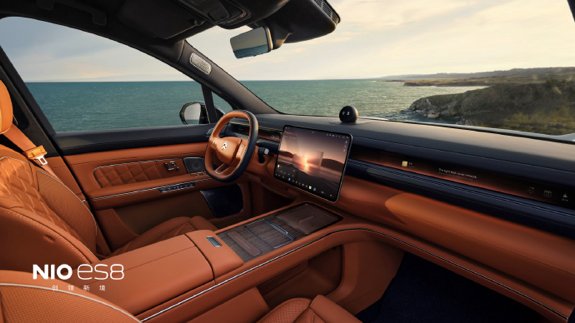
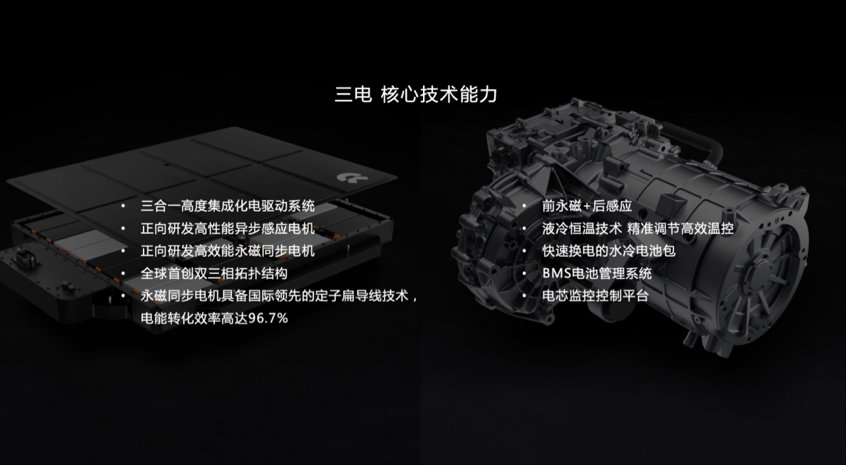
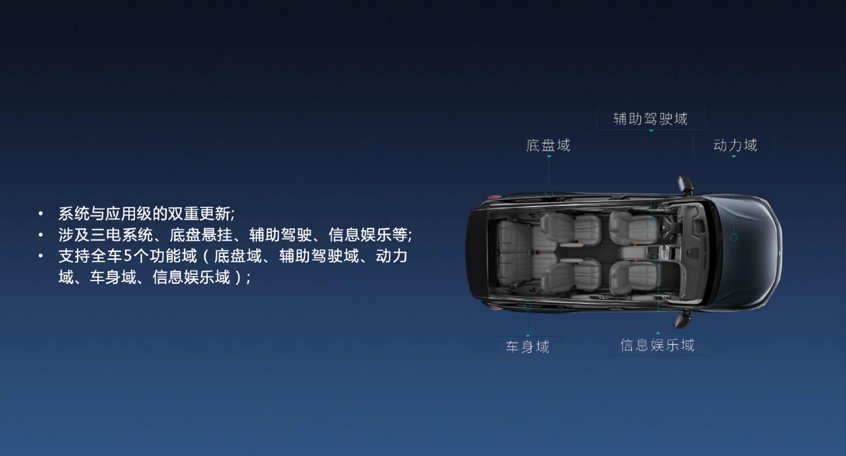
In terms of power, the new car adopts a full-domain 900V high-voltage architecture, with a front 180 kW induction motor + rear 340 kW silicon carbide permanent magnet motor, combined power of 520 kW, peak torque of 700 N·m, and 0-100 km/h acceleration in 3.97 seconds. It comes standard with a 102 kWh battery pack and has a CLTC range of 655 km. The chassis comes standard with dual-chamber air suspension and the 4D full-domain comfort pilot system.
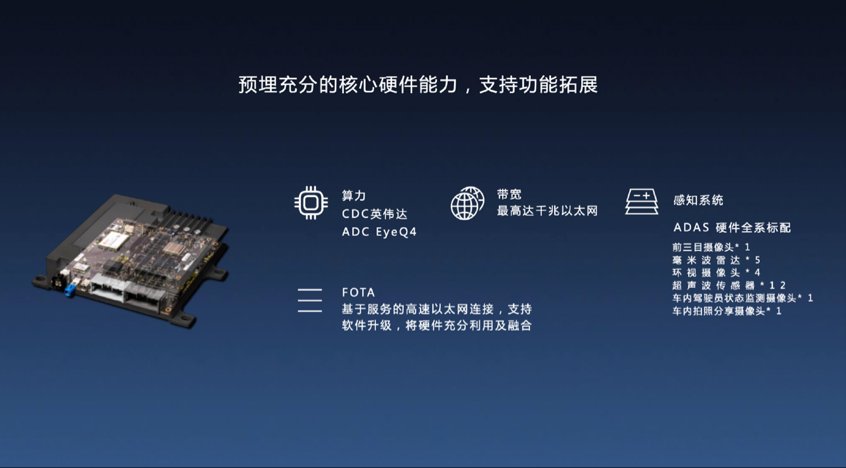
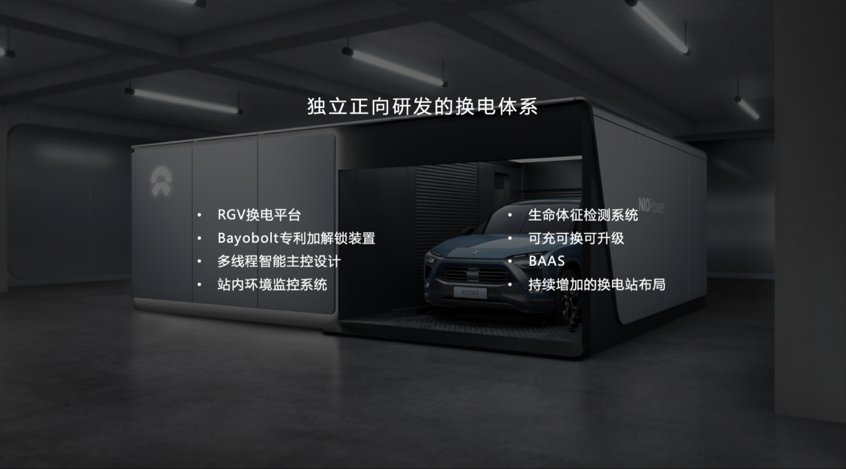
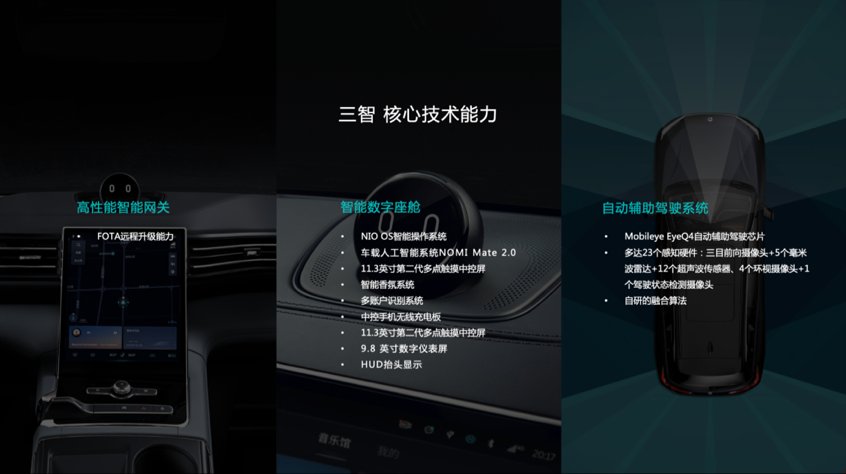
The smart cabin is equipped with a 48-inch Skyline screen, a 15.6-inch floating central control screen, and lidar.
It is worth mentioning that ES8 Founder's Edition No. 0001 had previously been officially donated to the Beijing Automobile Museum. Since its launch in September 2025, cumulative deliveries of the all-new ES8 have exceeded 120,000 units, with monthly sales exceeding 10,000 units for seven consecutive months.
Rapid commentary:
Removing one row of seats brings a comprehensive improvement in second-row legroom and a maximum loading capacity of more than 3000 L. This approach of "reducing seats without reducing flagship positioning" can be seen as a precise segmentation that shifts the target users from "occasionally needing a third row" to "prioritizing rear-seat experience." The full-domain 900V architecture and the 3.97-second 0-100 km/h acceleration have been retained, and the mechanical qualities have not been compromised.
The question is whether, with the pricing strategy after removing the third row, consumers will feel that they "have one fewer seat but are not paying any less" if the price is not significantly reduced. The answer will have to wait until the July 9 launch event.


