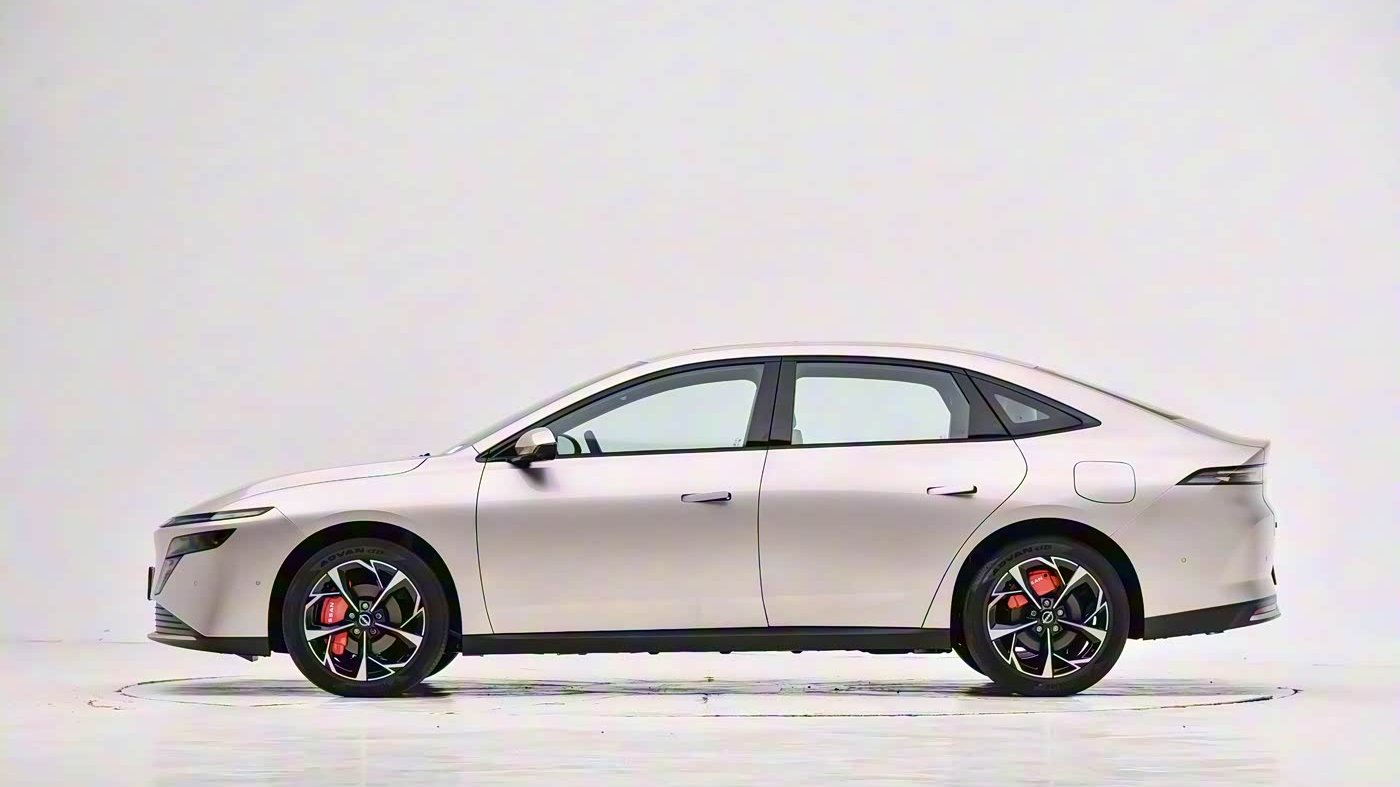
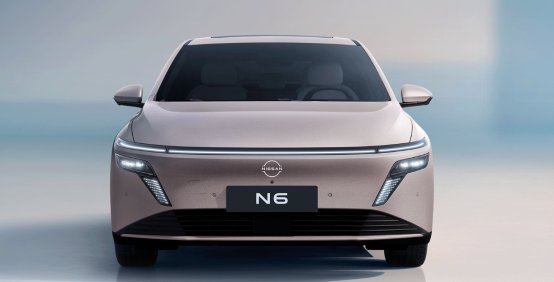
I. Project Positioning: The first plug-in hybrid sedan on the Tianyan architecture, with very "engineering-minded" specs
The N6's most critical labels come down to just four:
Platform: The first plug-in hybrid sedan on the Tianyan architecture
Segment: Entry-level mid-size car (4831×1885×1491/1494mm, wheelbase 2815mm)
Energy system: 1.5L PHEV, 21.1kWh battery + 180km pure electric range
Energy consumption metric: CLTC fuel consumption at depleted charge 2.79L per 100km
These four numbers essentially determine its position on the technical roadmap:
not an extreme-performance-oriented "monster motor car," but a family plug-in hybrid mid-size sedan with energy efficiency as its primary constraint.
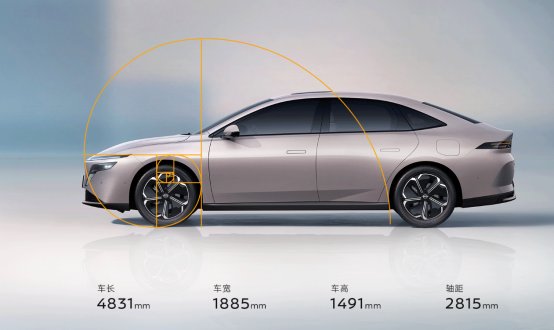
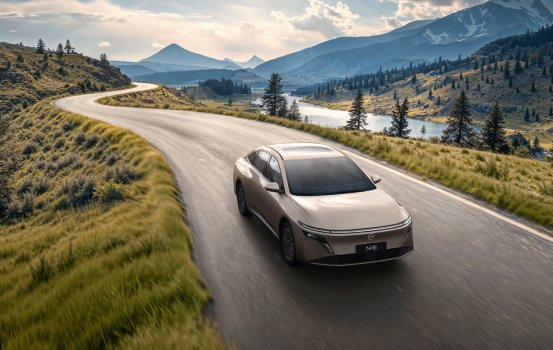
II. Body and Styling: Behind the V-motion language lies a compromise between aerodynamics and energy consumption
1. Body parameters and layout
Length: 4831mm
Width: 1885mm
Height: 1491/1494mm
Wheelbase: 2815mm
The implications of these proportions:
2815mm wheelbase + fastback short rear deck:
More of a balance between rear legroom and trunk space, rather than extreme space maximization.
Vehicle width 1885mm:
Favorable for lateral stability and body roll control in corners, and also provides more room for a wider track layout.
Height controlled at around 1.49m:
Relatively low center of gravity, which helps manage the overall center of gravity of battery + occupants + fuel tank in plug-in hybrid mode, reducing roll and pitch.
2. Impact of exterior structure on energy consumption and NVH
Closed-off front fascia:
A typical new energy vehicle approach. By reducing the front grille opening, it lowers airflow turbulence and improves aerodynamic efficiency, while delegating more cooling demand to internal ducts and active control (fan/pump/thermal management strategies).
Split-type headlights + through-type light bar:
Minimal aerodynamic impact, more about packaging and visual identity, but the through-type light bar area generally lowers the front surface height, helping reduce the frontal area perception.
Hidden electric door handles:
From an engineering standpoint, this is a plus for aerodynamics and wind noise, while also increasing the complexity of mechanical structure and electronic control logic (anti-freeze, anti-mistouch, anti-pinch, etc.).
Fastback + short rear deck + hidden exhaust:
Helps reduce rear vortex and optimize Cd, and also keeps the vehicle from appearing bulky, aligning with the plug-in hybrid's goal of reducing high-speed energy consumption.
Simply put: the N6's exterior design isn't just about "looking good" — it clearly involved trade-offs in drag and wind noise oriented around plug-in hybrid energy consumption targets.
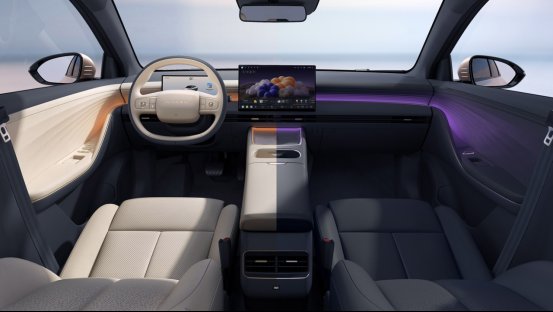
III. Interior and Ergonomics: Space utilization + simplified interaction
1. 360° wrap-around cockpit and column shifter
Wrap-around center console + integrated door panel styling:
From an engineering perspective, this concentrates functional modules toward the driver, shortening hand operation paths.
Column-type gear shifter:
The key isn't that it's "premium," but that it frees up longitudinal channel space below the center console, providing flat surfaces and height for the wireless charging pad, storage compartments, cup holders, etc. — a classic ergonomics + storage space optimization decision.
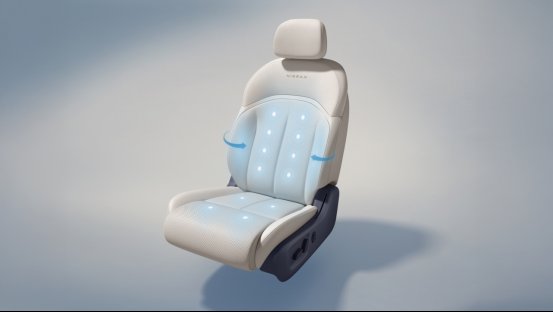
2. Seats and comfort: Zero-pressure cloud carpet isn't "pseudoscience"
From an engineering perspective, the so-called "zero-pressure cloud carpet sofa" essentially means:
Foam hardness gradient design for the seat cushion/backrest (different support for thigh, pelvis, and lumbar regions)
Backrest curvature, headrest position calibrated to the H-point, and multi-point massage module placement
Ventilation/heating duct routing coordinated with the seat frame wiring design
At the same time, the fact that this seat can be sold separately for 9,888 yuan essentially reflects sufficient confidence in its structural cost and perceived user value. It is one of the most Nissan-flavored hardware pieces on the entire car.
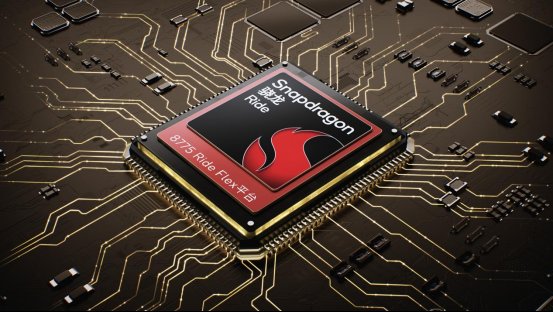
IV. Electronics and Cockpit System: From 8155 to 8755, computing power tiered by configuration
Although your description doesn't elaborate on chip distribution, from the earlier N6 information it can be seen that:
Entry version uses Qualcomm 8155
Higher trims like Max+ move up to Qualcomm 8755, and switch to a 15.6-inch center screen
This combination is basically at the mainstream level for current new energy vehicle cockpit domains.
From a software architecture perspective, several technical points can be inferred:
Large screen + voice + AI large model
Focus on multi-turn voice dialogue, navigation, music, and vehicle control integration, reducing the learning cost for daily use.
Phone mount expansion port + wireless charging
Doesn't completely "abandon the phone," but acknowledges the phone's dominant role in navigation and information services, with the head unit doing more system-level integration.
Rokid smart AI glasses compatibility
Essentially, the information output terminal extends from the screen to AR devices, placing higher demands on CAN/Ethernet communication and data rendering latency — a forward-looking attempt at in-vehicle interaction forms.
Simply put: the N6's cockpit computing power isn't "maxed out," but tiered and cost-controlled by version, while retaining expansion interfaces (phone, glasses) as a system approach.

V. Powertrain: 1.5L + 155kW motor + 21.1kWh battery = an efficiency-centered PHEV system
1. NR15 1.5L engine
Displacement: 1.5L
Maximum power: 75kW
Judging from the power figure and plug-in hybrid positioning, this engine most likely adopts an Atkinson-leaning/high-compression-ratio approach, with the goal not being high-RPM output, but high thermal efficiency + a stable operating range.
The logic is:
The engine handles "power generation + energy replenishment + mid-to-high-speed cruising efficiency," while driving duties are delegated more to the electric motor.
2. Drive motor
Peak power: 155kW
155kW is already more than ample for an entry-level mid-size family sedan; more importantly, it's about the torque plateau and low-speed response — the daily driving experience is mainly determined by motor calibration.
3. Battery and energy management
Battery capacity: 21.1kWh (largest in its class)
Standard pure electric range across all trims: 180km (CLTC)
Fuel consumption at depleted charge: 2.79L/100km
These specs lead to several conclusions:
Battery capacity isn't "just for registration" — it's genuinely meant to handle the bulk of daily commuting
→ 180km CLTC means most urban users can commute for a week with just 1-2 charges.
Engine efficiency window and battery SOC management are co-designed
→ The fact that depleted-charge fuel consumption can be pushed down to 2.79L indicates the PHEV control strategy clearly favors "use more electricity, drag less fuel," while still maintaining high system efficiency at the lower SOC range.
Battery thermal management and charging strategy
→ The earlier materials mentioned 30%-80% fast charging in 17 minutes, which means the vehicle hasn't been too heavily compromised on DC charging power and thermal management capability.
Summary:
This is a system with "urban electric drive + efficient hybrid" as its objective function — not pursuing extreme acceleration, but pursuing the optimal solution for total vehicle lifecycle cost.
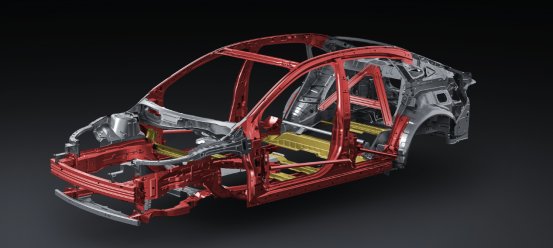
VI. Chassis and Driving Safety: Conservative structure, compensated by electronic systems
Front suspension: MacPherson independent suspension
Rear suspension: Torsion beam non-independent suspension
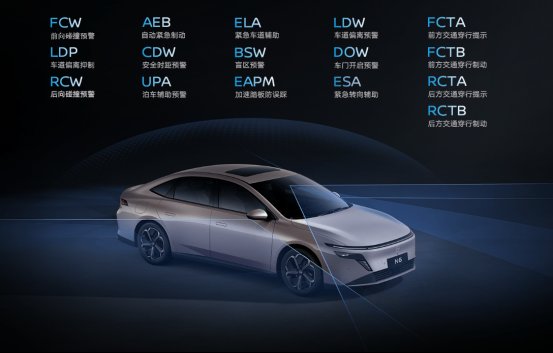
Equipped with ESA emergency steering assist, anti-stall intelligent control technology, etc.
The technical orientation of this combination is very clear:
Mechanical structure: conservative + cost-controllable + mature reliability
Dynamic performance: relies more on coordinated calibration of steering/braking/EPS/ESP + active safety systems like ESA to compensate for body attitude control in extreme conditions
For a mid-size plug-in hybrid focused on family use, long range, and low fuel consumption, Nissan not choosing a multi-link setup is not surprising —
cost, space (trunk/battery packaging), and reliability often take priority over extreme handling.
VII. Summary: This is not a "show-off car," but a systems engineering product that has been run through the numbers
This is a plug-in hybrid mid-size sedan that has "put energy consumption, safety, comfort, and cost into the same Excel sheet and calculated repeatedly."
Its technical keywords can be condensed into:
Platform: The first plug-in hybrid sedan on the Tianyan architecture
Energy efficiency: 21.1kWh battery + 180km pure electric range + 2.79L depleted-charge fuel consumption
Body: Mid-size dimensions + fastback short rear deck + hidden door handles
Cockpit: 8155/8755 tiering + large screen + expandable (phone mount, Rokid glasses)
Comfort: Zero-pressure cloud carpet seats + wrap-around layout
Strategy: With a conservative mechanical structure as the foundation, raise overall vehicle competitiveness through software and control strategies
More simply put, the N6 isn't about showcasing technology, but about reducing the user's cost and complexity during the "oil-to-electric transition period."
It's not about speed, nor is it a gimmick — it's a proven, easy-to-maintain hybrid system logic with a clear energy path. The N6's value lies not in "breakthroughs," but in how it turns the four dimensions of efficiency, risk, experience, and cost into a relatively balanced answer.


