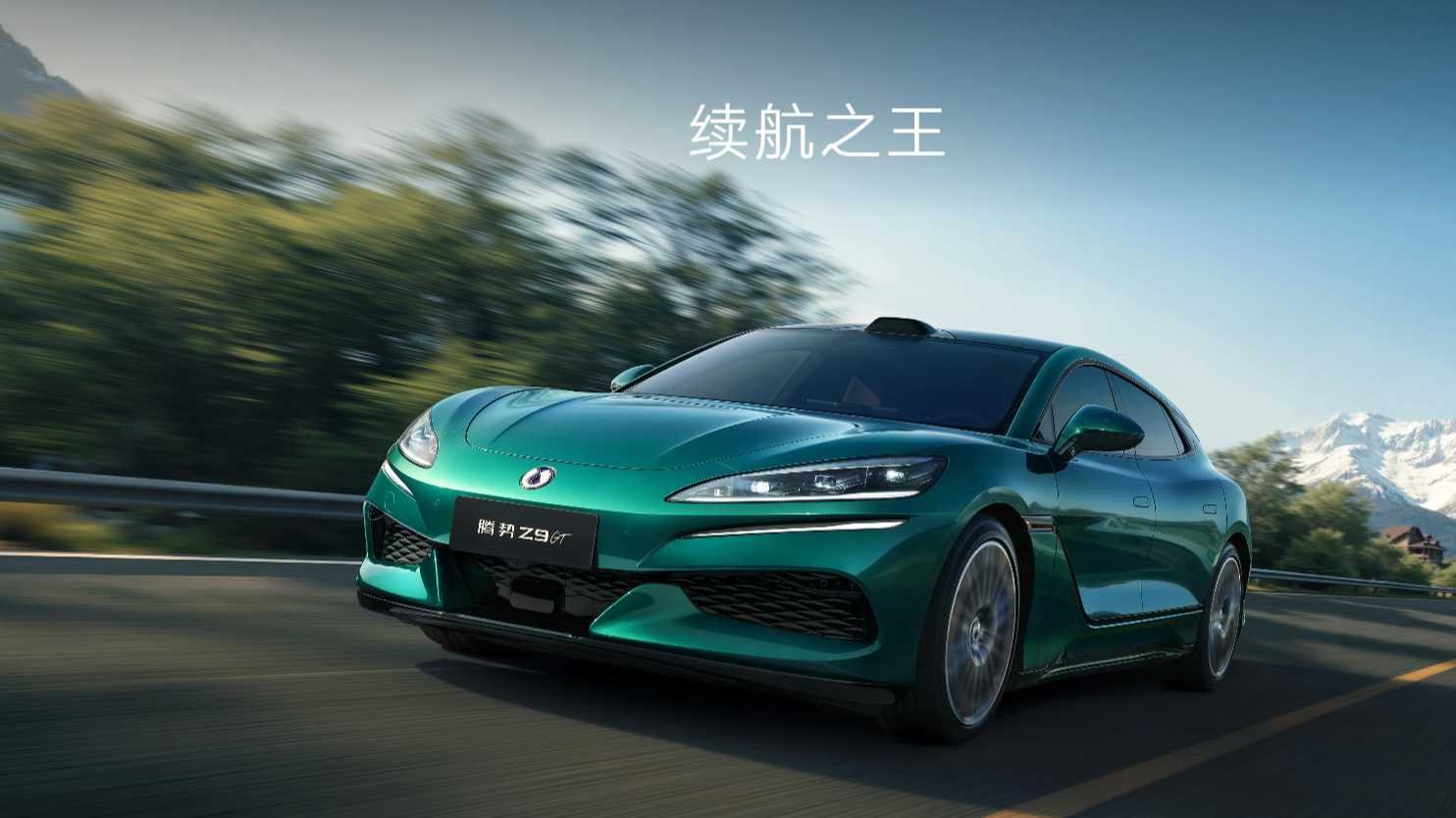
On March 5, at BYD's Second-Generation Blade Battery and Flash Charging Technology Launch Event, the all-new Denza Z9GT was officially launched. The new car is offered in 5 configurations, with a price range of 269,800 to 369,800 yuan. In terms of product, the all-new Denza Z9GT continues to offer both pure electric and plug-in hybrid powertrains, and introduces multiple core technologies including the e3 technology, second-generation Blade Battery, God's Eye 5.0, and DiSus-A. Judging from the direction of this upgrade, the focus of the new car is not merely the addition of features in the conventional sense, but systematic enhancement around the vehicle's charging efficiency, range coverage capability, dynamic control capability, and level of intelligence.
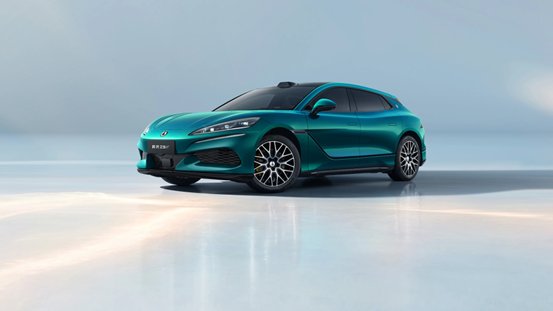
In terms of specific pricing, the Pure Electric Flash Charging Prestige model is priced at 269,800 yuan, the Pure Electric Flash Charging Flagship model is priced at 299,800 yuan, and the Pure Electric e3 Flash Charging Performance model is priced at 369,800 yuan; the Plug-in Hybrid e3 Flash Charging Prestige model is priced at 309,800 yuan, and the Plug-in Hybrid e3 Flash Charging Flagship model is priced at 339,800 yuan. The official also offers purchase policies including 1 year of free flash charging, up to 25,000 yuan in optional equipment benefits, up to 7 years of low interest, up to 49,000 yuan in interest subsidies, and up to 30,000 yuan in trade-in subsidies. According to the official schedule, display cars have already begun arriving at stores, and deliveries are expected to begin in late March.
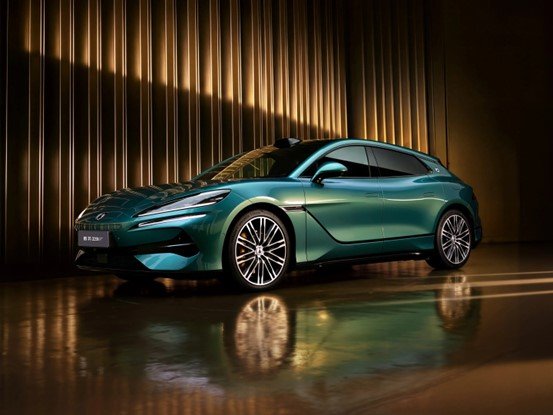
From the perspective of exterior design, the all-new Denza Z9GT as a whole still continues the existing family design language, with changes mainly focused on detail optimization and functional configuration integration. The front face adopts split-type light clusters, paired with slim light strips and a through-type ventilation opening, mainly serving to reinforce horizontal visual width and front-end recognizability. The newly added Fjord Green body color is a conventional exterior expansion. What is truly worth noting is that the LiDAR position has been moved up to the roof, which means its overall sensor layout is moving further toward platformization and standardization, and also helps form a unified recognition feature with other high-level intelligent driving models in the family. At the same time, the new car adds a small blue intelligent driving indicator light and newly styled 21-inch wheels. These adjustments are essentially external expressions centered on "high-level intelligence" and "high-performance positioning."
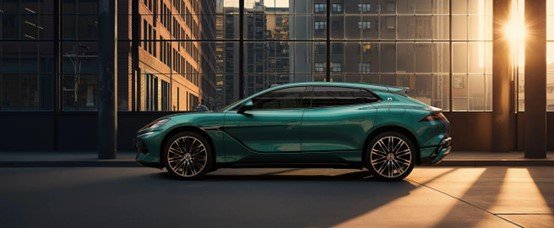
The body side still follows the structural logic of a typical GT model, with the focus on long-wheelbase visuals, a low-slung stance, and a strong sense of rear power. The waistline and surface treatment have not been made overly complicated; instead, a "Z"-shaped decorative line enhances the layering of the side. For this type of vehicle, the side profile not only affects appearance but also influences aerodynamic performance and high-speed stability. The rear continues a relatively wide and thick rear structure, with the layout of the taillights and functional lights based on symmetry. The integrated floating rear spoiler is more about balancing aesthetics and air management requirements under high-speed conditions.
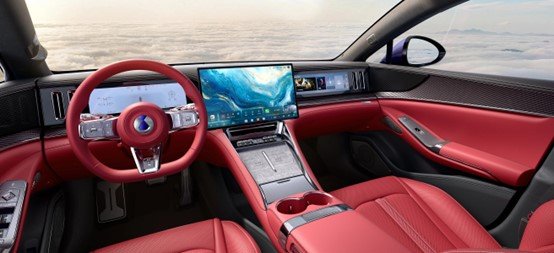
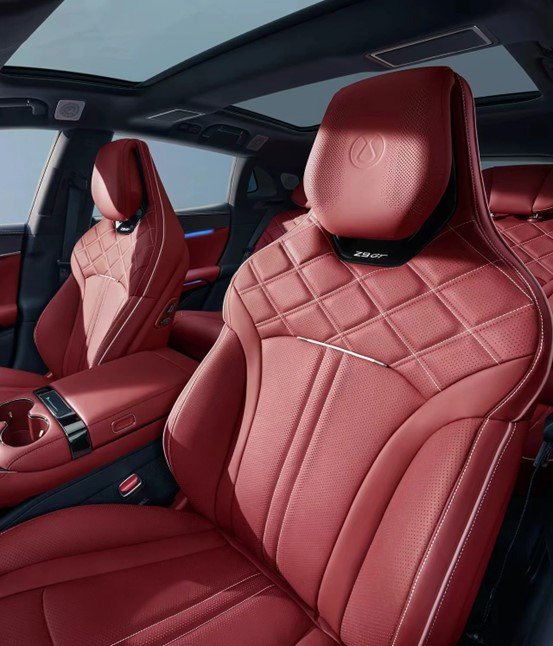
Compared with the exterior, the interior upgrades better reflect the product definition of this car. The all-new Denza Z9GT adds a Lava Red interior color scheme, but the color itself is not the focus; the core lies in the usage logic embodied by the interior configuration combination. For example, the factory carbon fiber interior kit, three-spoke sport steering wheel, BOOST paddle shifters, and metal column shifter mainly serve to shape the driving atmosphere; while the front passenger zero-gravity seat, spacious rear seats, intelligent heating and cooling refrigerator, streaming media exterior rearview mirrors, AR-HUD, and seat magnetic ecosystem correspond to long-distance comfort, cabin convenience, and high-level interactive experience. To put it simply, this interior solution is not merely stacking features, but seeking a balance between "performance expression" and "luxurious comfort."
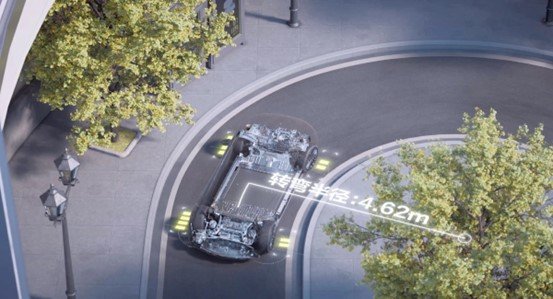
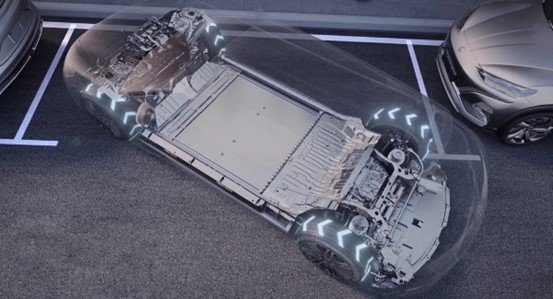
The powertrain system remains one of the core highlights of the all-new Denza Z9GT's launch. The new car continues to offer a dual-powertrain architecture of pure electric and plug-in hybrid, which means its coverage of target users is more complete than a single powertrain route. According to official information, the plug-in hybrid version is equipped with a 63.8kWh battery pack, with a pure electric range of 401 km and a combined range of 1,301 km; the pure electric version has a maximum range of up to 1,036 kilometers. From an engineering perspective, the range figures themselves are not the only focus; more important is whether the corresponding usage boundaries can be expanded. The significance of the plug-in hybrid version lies in maximizing the pure electric commuting radius through a larger battery pack while retaining charging flexibility for long-distance scenarios; the pure electric version directly emphasizes ultra-long range, clearly aiming to reduce range anxiety in complex usage environments such as intercity travel, highways, and low temperatures.
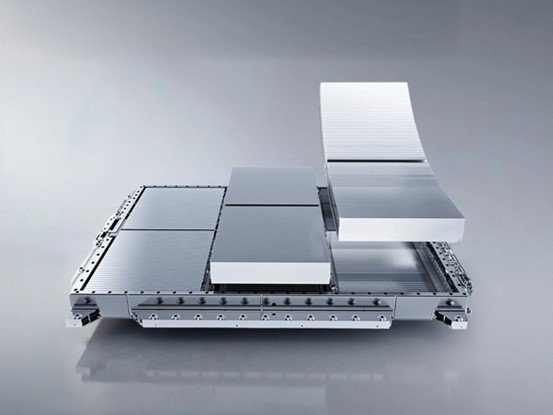
The battery and charging system is the part of this car most worthy of separate discussion. The all-new Denza Z9GT is equipped across the lineup with the second-generation Blade Battery and flash charging technology. The official information states it can achieve "charge well in 5 minutes, charge fully in 9 minutes." From an engineering perspective, such statements reflect that the new car has made significant upgrades in high-rate charging capability, battery thermal management, charging curve control, and overall high-voltage platform matching. Efficient charging is not just about increasing peak charging power; more critically, it is about ensuring high charging efficiency across a wider SOC range while also balancing safety, thermal degradation control, and battery life. In other words, what determines the user's real charging experience is not only the "peak number," but also the platform architecture, battery management strategy, and charging infrastructure compatibility. By making charging efficiency a key selling point this time, the all-new Denza Z9GT is essentially directly responding to the core usage pain points of high-end new energy vehicle users.
In addition to the battery and charging, the vehicle's overall technical system is also worth attention. The all-new Denza Z9GT is equipped with e3 technology, God's Eye 5.0, and DiSus-A. The e3 technology leans more toward overall vehicle drive and dynamic capability control, and is a key foundation affecting vehicle handling stability, power distribution, and stability under extreme conditions; God's Eye 5.0 represents its capability upgrade in high-level assisted driving; DiSus-A is directly related to suspension adjustment, body posture control, and comfort performance. With these technologies combined, the product logic of the Denza Z9GT is already very clear: it is not simply a new energy GT with good-looking specifications, but rather aims to build comprehensive vehicle capability through the four dimensions of electric drive, intelligent driving, chassis, and charging.
From the perspective of market competition, the users targeted by the all-new Denza Z9GT are not those who focus only on a single parameter, but consumers who have requirements for the vehicle's overall performance boundaries, intelligent capabilities, comfort features, and daily usage efficiency. Such users care more about: whether high-speed cruising is stable, whether long trips are worry-free, whether charging is efficient, whether intelligent driving is reliable, and whether the chassis feels premium. The upgrades of the all-new Denza Z9GT this time are, in fact, providing a more complete technical answer to these key questions.
Overall, the core value of the all-new Denza Z9GT can be summarized in three points. First, the dual-powertrain layout improves coverage of usage scenarios; second, the second-generation Blade Battery and flash charging technology strengthen charging efficiency, a key experience in the new energy era; third, the addition of e3, God's Eye 5.0, and DiSus-A gives it more complete technical support in drive, intelligent driving, and chassis control. For the new energy market above 300,000 yuan, what the launch of the all-new Denza Z9GT truly improves is not a single feature, but the maturity and practical value of the vehicle's overall technical system.


