From Hall 1.1 to Hall 20.2: SAIC Volkswagen uses an entire exhibition stand to make "Joint Venture 2.0" a reality
At the Guangzhou Auto Show, I set myself a very simple task: to look at only two stands—SAIC Volkswagen in Hall 1.1 and SAIC Audi in Hall 20.2. The reason was straightforward: since this year's Shanghai Auto Show proposed "Full Energy, More Outstanding," SAIC Volkswagen has been frequently talking about "Joint Venture 2.0" and "brand renewal." Guangzhou, to some extent, is the final exam paper for their products and strategy over the past year.
When I actually walked from Hall 1.1 to Hall 20.2 and then looked back at this route, I found a fairly clear conclusion: joint venture brands have not stopped at "nostalgia" and "reputation," but have used a complete set of all-energy products covering pure electric, plug-in hybrid, extended-range, and fuel vehicles to turn "the landing of Joint Venture 2.0 achievements" and "brand renewal" into a reality that users can truly touch.
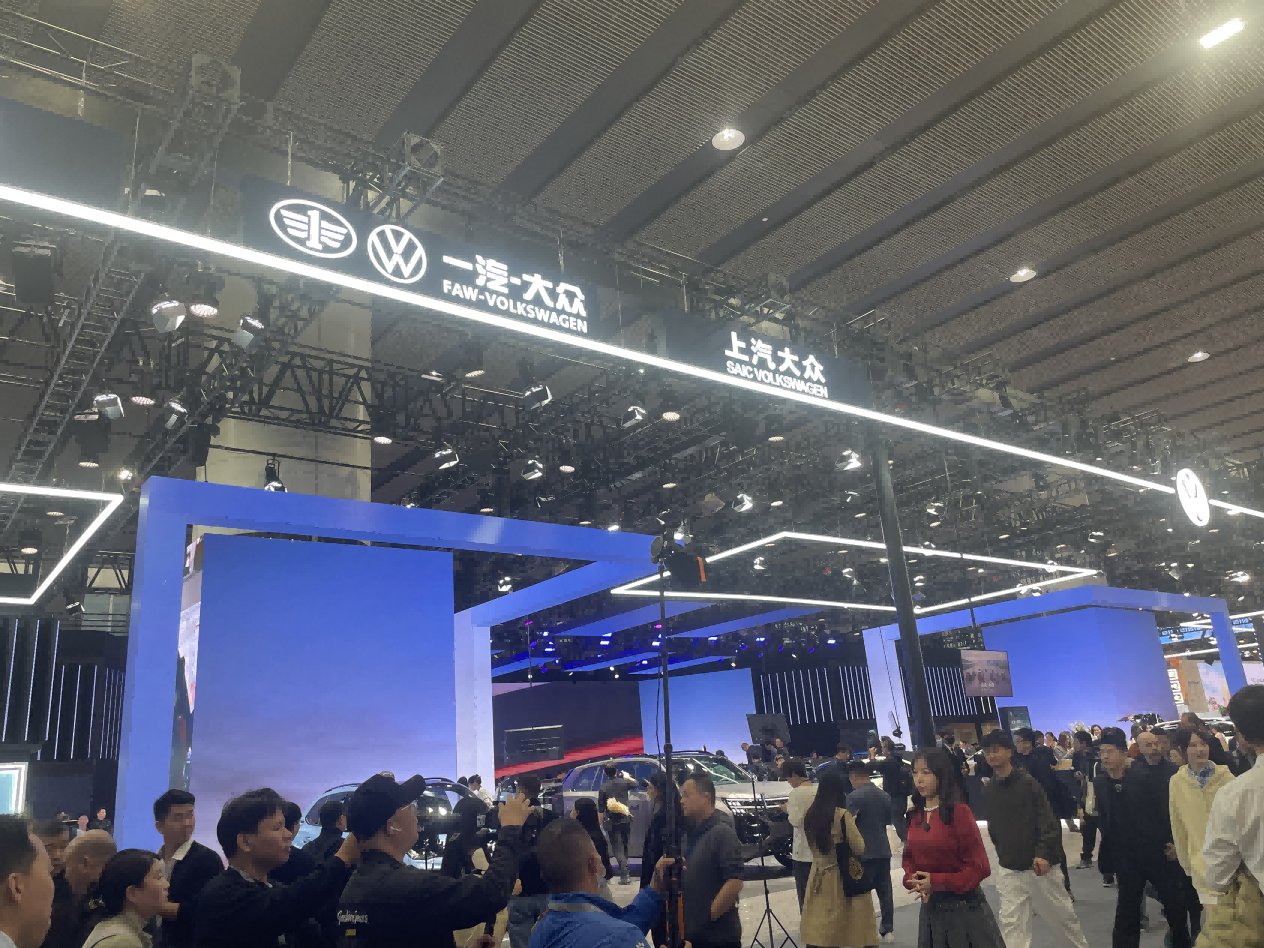
Hall 1.1: SAIC Volkswagen with a "fully displayed" all-energy lineup
Let's start with Hall 1.1. Seen from a distance, SAIC Volkswagen this time adopts a typical "array-style approach": the ID. ERA concept car stands in the visual C position, while on both sides the Pro family and a host of best-selling fuel vehicles are lined up—Passat ePro, Lavida Pro, Tiguan L Pro, Teramont Pro, Passat Pro, plus a mysterious new member making its debut on site, pushing the boundaries of the "super smart fuel vehicle family" even further.
For an editor who has long covered auto shows, this layout is very straightforward: SAIC Volkswagen wants to spread out all four energy forms—pure electric, plug-in hybrid, extended-range, and fuel—for you to see at once. The Shanghai Auto Show's proposal of "Full Energy, More Outstanding" was only the opening chapter. Now in Guangzhou, a series of launch milestones can already be used to review the rhythm of this year, and the chessboard of Joint Venture 2.0 has basically taken shape.
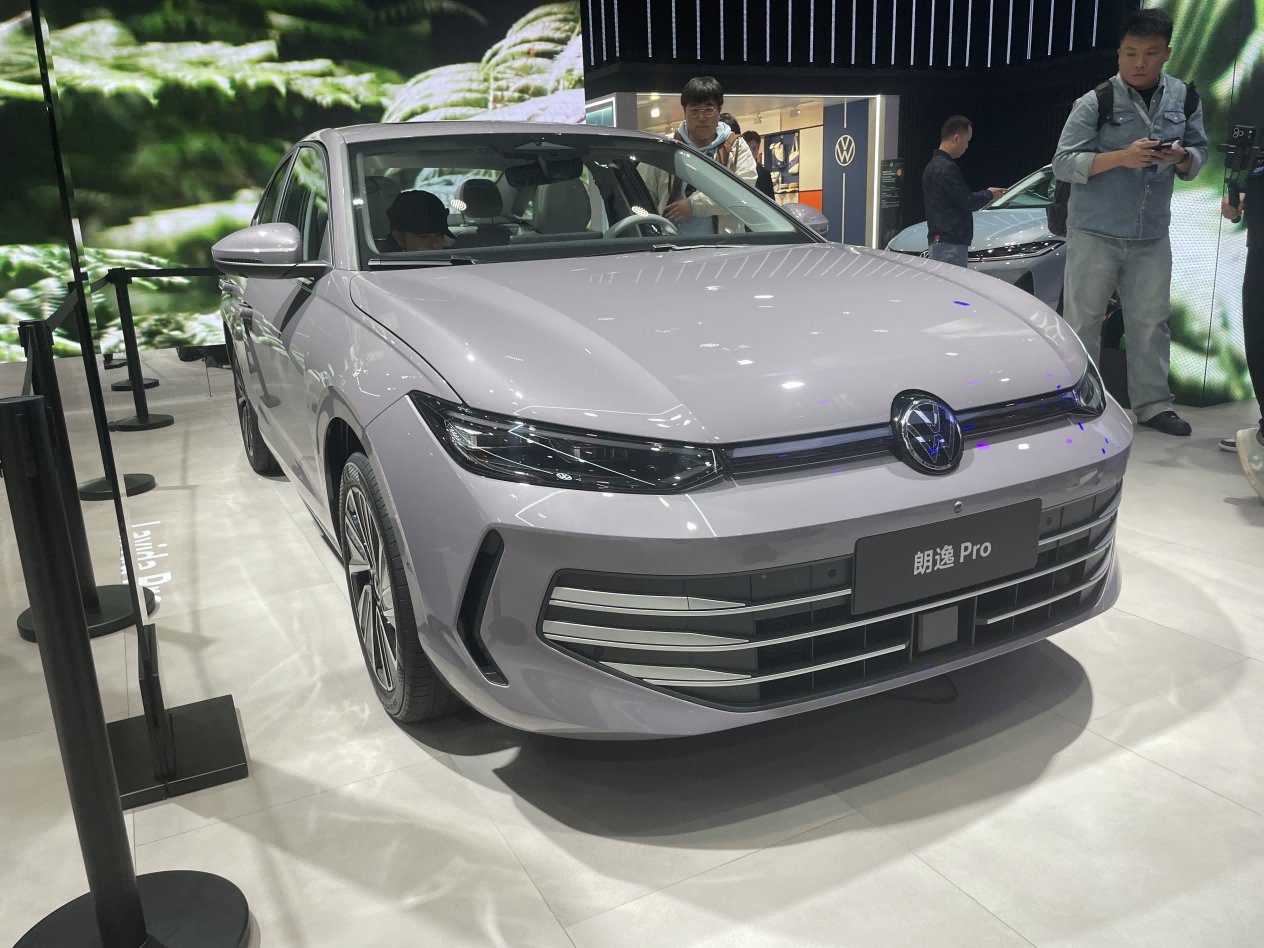
Lavida Pro deserves a separate mention. As the newest member of the "6.5 million national family sedan," it is no longer satisfied with merely "making the space a bit larger and controlling costs a bit better," but has simply taken on the label of "popularizer of intelligent fuel vehicles"—bringing high-computing-power chips, intelligent cockpits, and higher-level driver assistance down to the truly mainstream price range. For ordinary users, behind this is actually a very pragmatic brand renewal: it does not force you to immediately become a "pure electric player," but first makes the fuel car in your hands smarter and easier to drive.
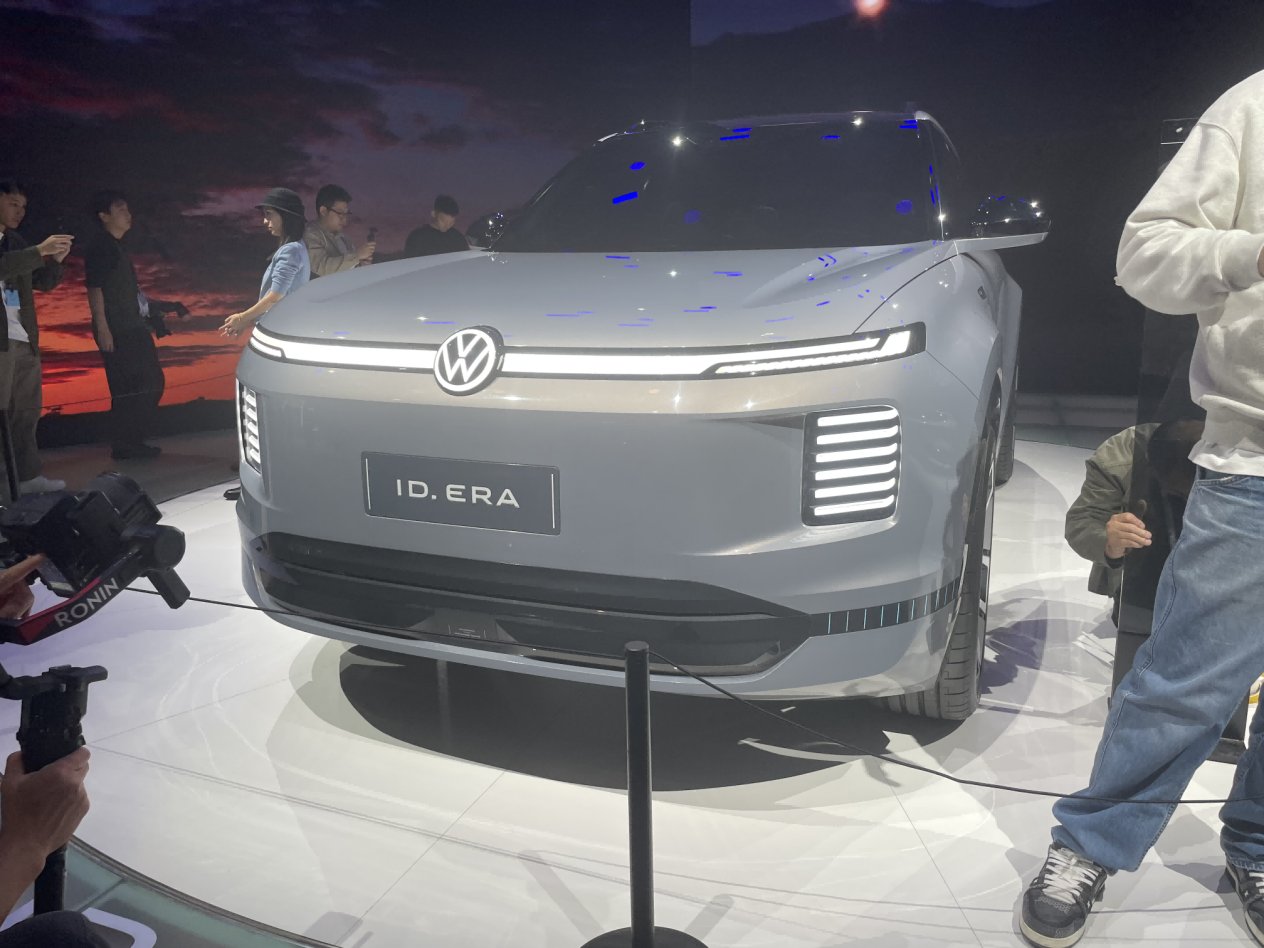
ID. ERA: The "new surname" of Joint Venture 2.0
If the Pro family is responsible for solving "how to drive more intelligently right now," then the ID. ERA concept car is more like SAIC Volkswagen's "new surname" in the new energy era. It is not just the full-size extended-range SUV concept car at the center of the stand, but also a future-oriented product series—which will later gradually expand into multiple forms such as pure electric, hybrid, and extended-range.
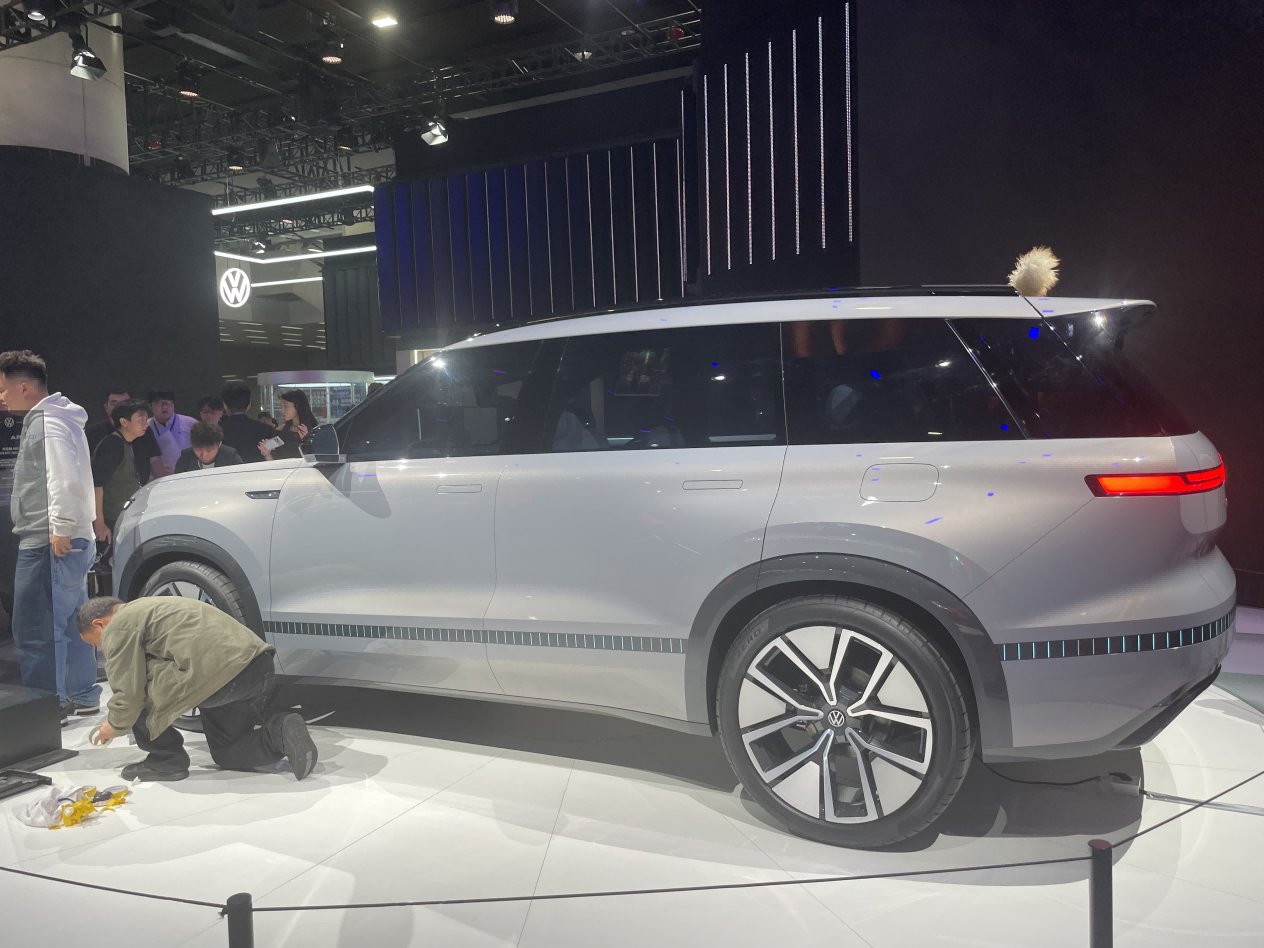
From styling to dimensions, ID. ERA has a strong "9-series flagship" aura: the body stance, lighting details, and cabin atmosphere are clearly targeting users of a higher-level luxury SUV. For a joint venture brand, this is an attitude—no longer treating new energy as an "optional item," but using a complete product series to reconstruct the energy landscape and intelligent experience.
Standing in front of the car, watching the test footage looping on the large screen and the introduction of the "Pioneer Experience Program," it is easy to associate it with one sentence: what Joint Venture 2.0 wants to do is blend the German foundation, electrification technology, and the real scenarios of Chinese users together to redefine what a "joint venture flagship" should look like.
Hall 20.2: SAIC Audi's "dual-track answer"
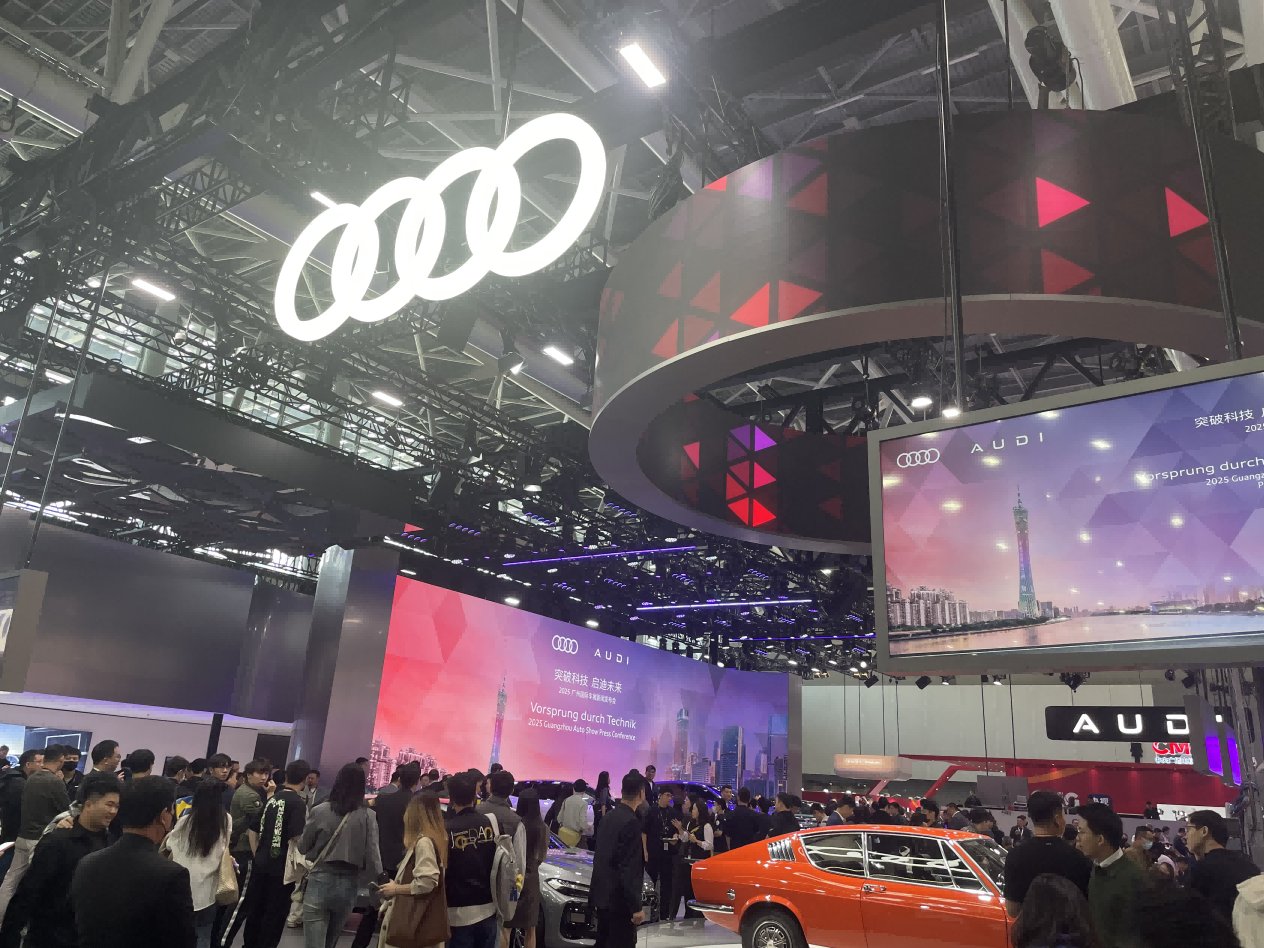
Leaving Hall 1.1 and stepping into Hall 20.2, SAIC Audi's first impression is that the three words—"young, technological, luxurious"—land more concretely than before.
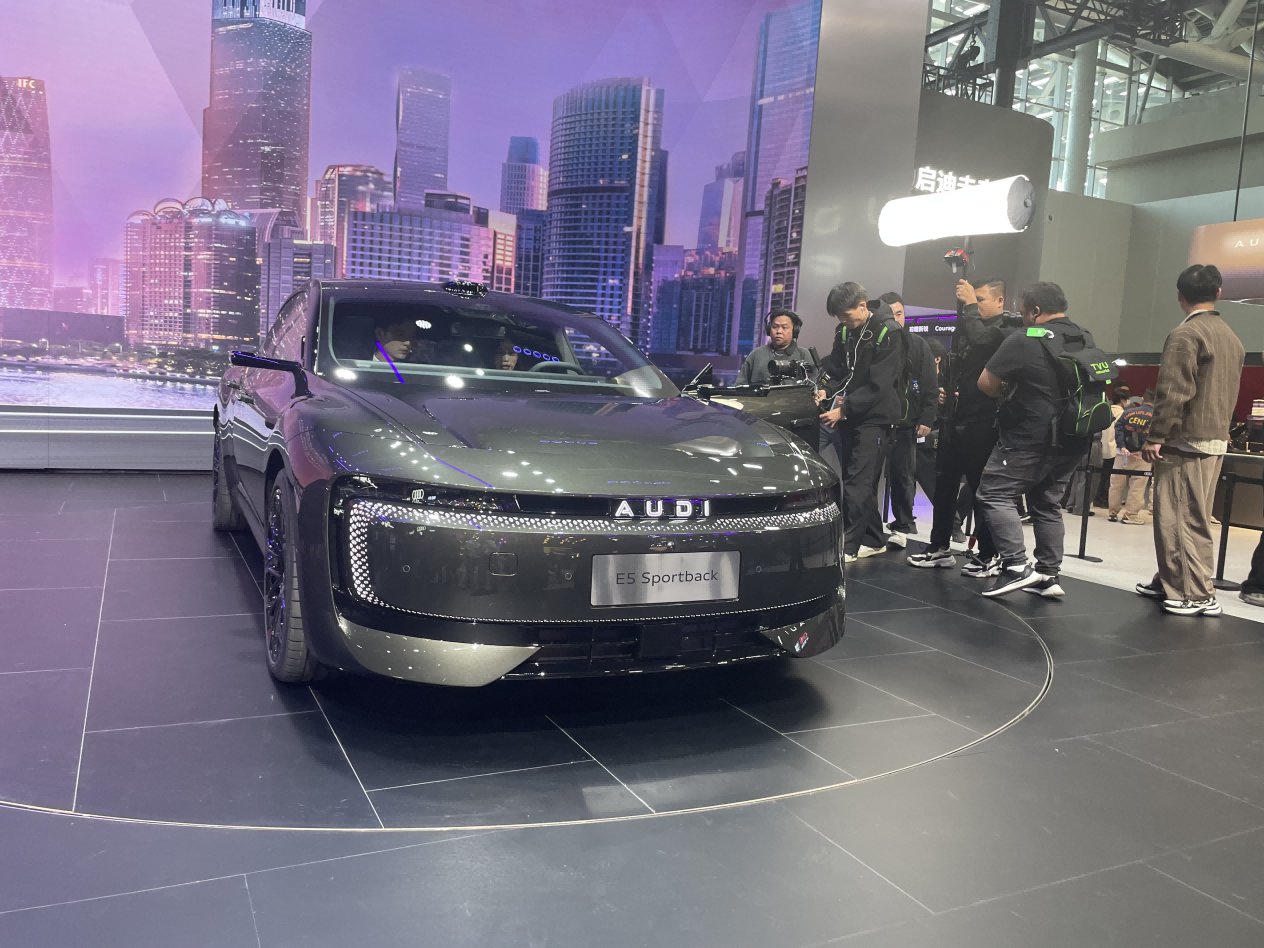
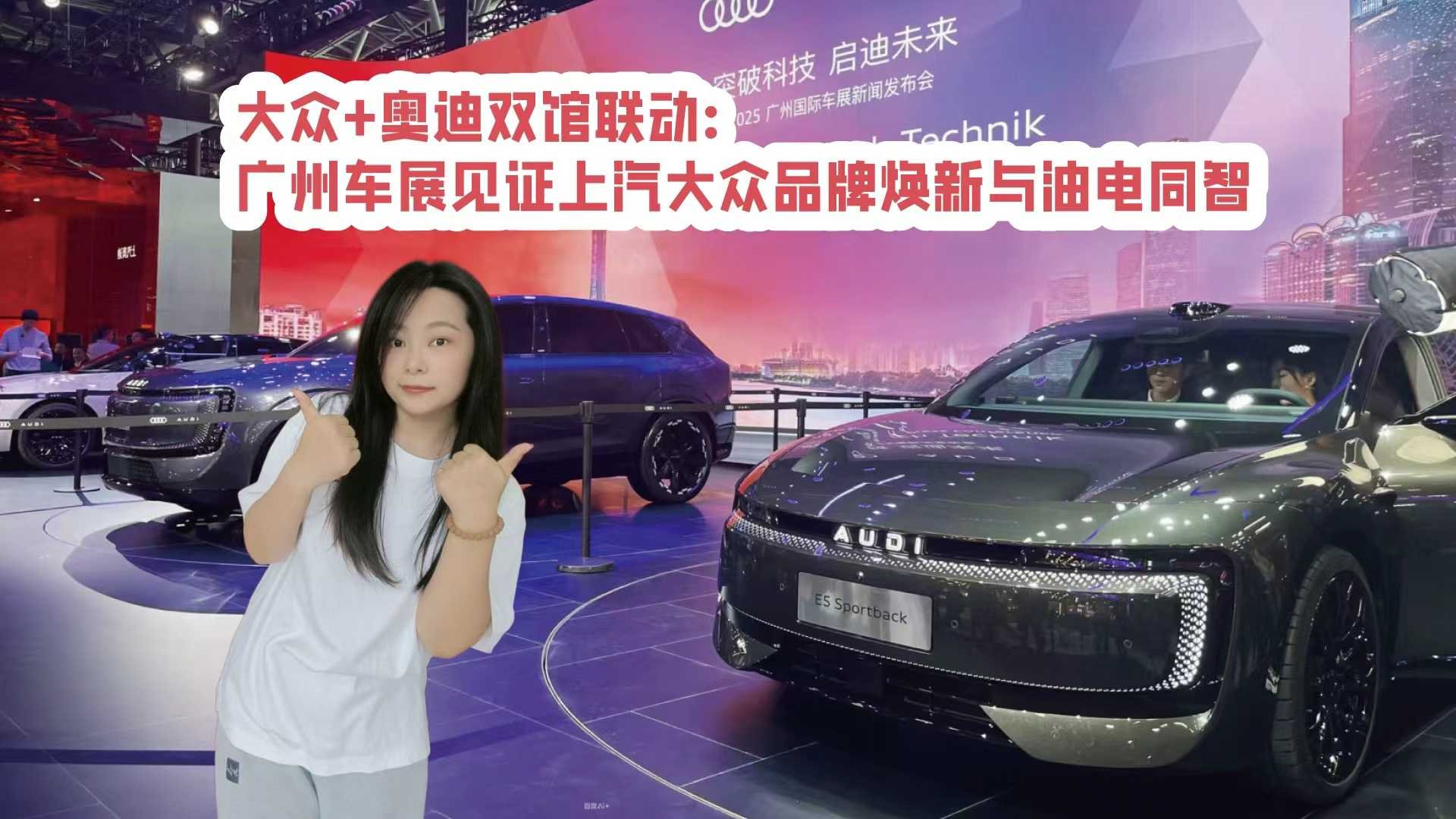
One of the protagonists at the center of the stand is the Audi E5 Sportback, which was launched in September. This time it brings a "special edition" model: in design, it uses more recognizable paintwork and details to strengthen the sporty character of the electric coupe; in technology, it continues to use dual-motor quattro, a luxury chassis, and advanced driver assistance to prove that "traditional luxury brands can also make pure electric vehicles very hardcore." Around the E5, there is also a complete display of user co-creation and car-use ecosystem, extending the electric vehicle from a "single product" into a "lifestyle."
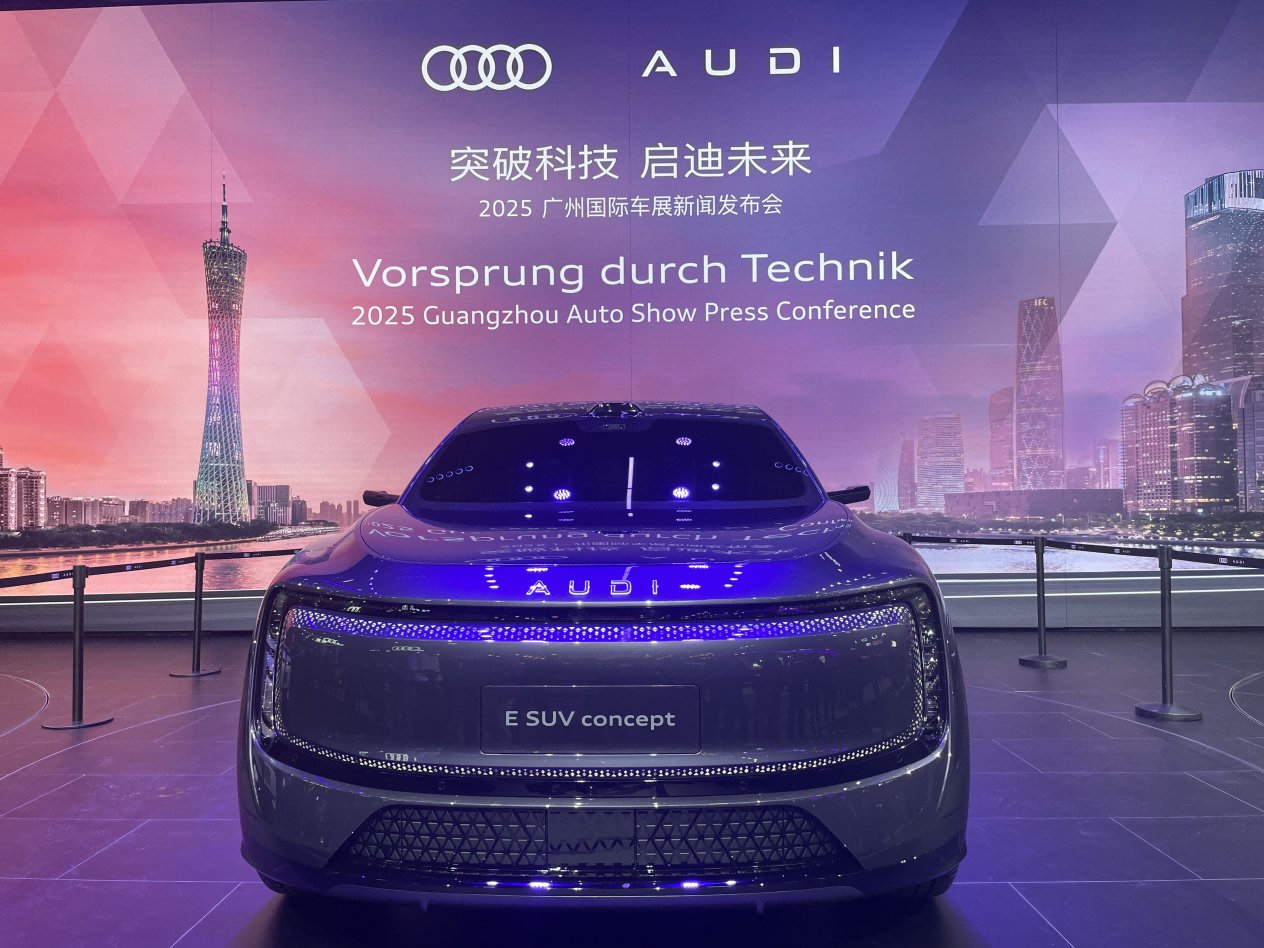
Sharing the stage with it, the AUDI E SUV concept car is like a "trailer for the next family member" of the E5 Sportback. It continues the same forward-looking electric vehicle design language, translating signature elements such as the closed front face and the ring-shaped plus triangular light curtain onto a pure electric SUV with a higher stance, using fuller body proportions and more futuristic lighting interaction to outline the future SUV product profile of the AUDI brand. Officials also clearly stated that, following the Audi E5 Sportback, the appearance of the AUDI E SUV concept car marks a key step forward in the AUDI brand's family-oriented product system.
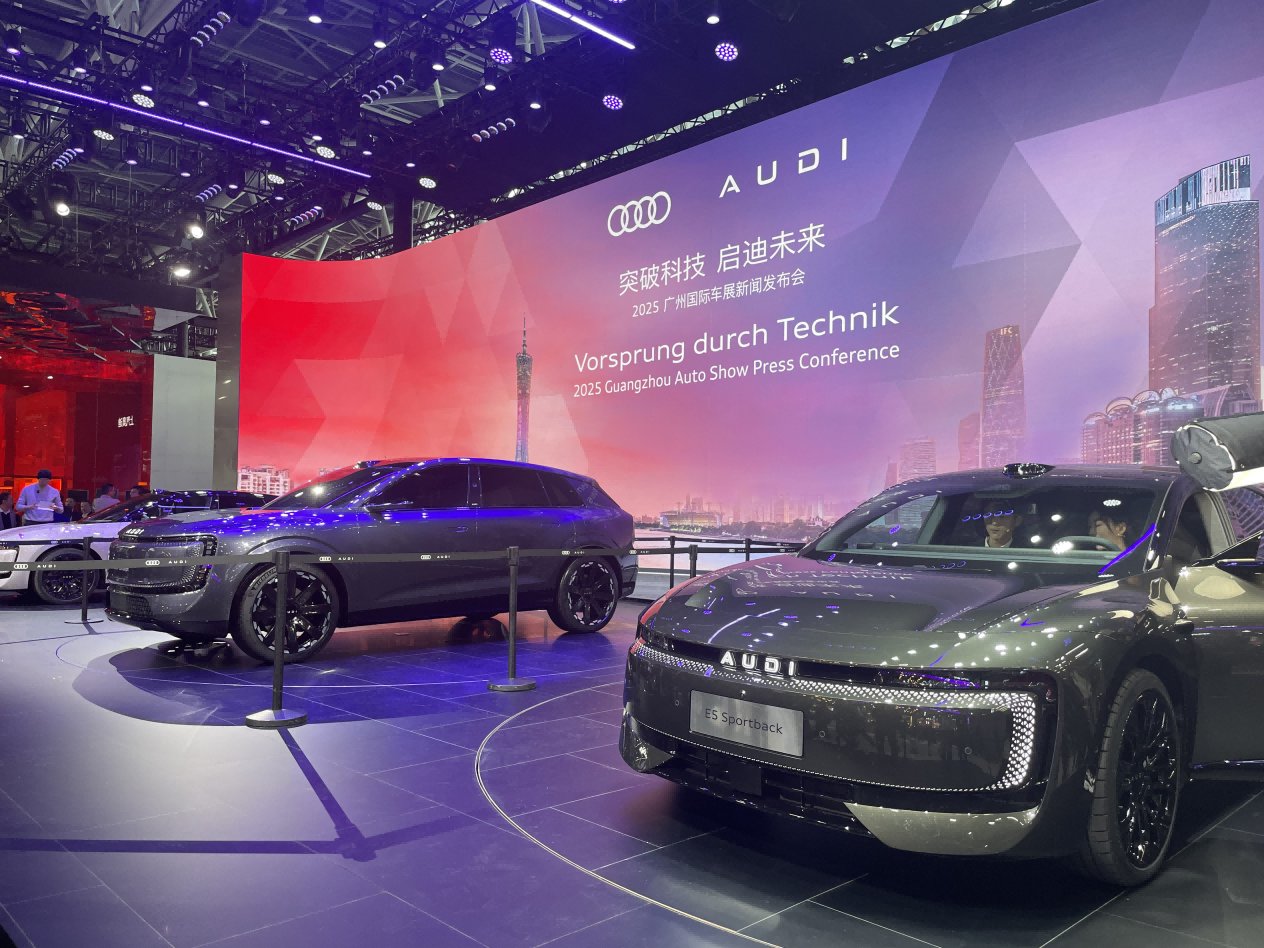
When the E5 Sportback special edition and the AUDI E SUV concept car stand together under the spotlight in Hall 20.2, you can very intuitively feel that: AUDI is not just presenting "a hit electric vehicle," but using one production coupe plus one forward-looking SUV concept to show the outside world a luxury intelligent electric family that is taking shape. From Shanghai to Guangzhou: The "progression timeline" of joint venture brands
If we pull the timeline from the exhibition hall back to the whole year, 2025 is indeed an "advanced year" for SAIC Volkswagen: in April, the Shanghai Auto Show proposed "Full Energy, More Outstanding," and the collective appearance of ID. ERA and E5 Sportback drew a framework; starting in the second half of the year, the E5 Sportback was the first to go on sale, the Pro family continued to expand, and Lavida Pro brought intelligence down to the A-segment family sedan market; by the end of the year at the Guangzhou Auto Show, ID. ERA brought new mass-production developments, Audi E5 Sportback launched a special edition, and the phrase "Joint Venture 2.0 truly landing" could already be matched with physical cars one by one in the exhibition hall.
As an automotive editor who has long been stationed on the front lines of auto shows, what I care more about is: what do these changes actually mean for ordinary users?
From Hall 1.1 to Hall 20.2, after walking this route, my conclusion is—
SAIC Volkswagen, with a complete all-energy product matrix, has given a relatively restrained but very complete answer:
You can continue to buy a fuel car, but it will be smarter than before; you can also choose pure electric, plug-in hybrid, or extended-range. SAIC Volkswagen and SAIC Audi are already using their real product rhythm to tell you: joint venture brands have not been absent from this competition in intelligence and electrification, and they even still hold their own chips in dimensions such as safety, quality, and long-term reputation.
For users, the real change is:
You no longer need to choose between a "nostalgic joint venture" and "aggressive new energy," but can instead pick the car that suits you best from an already "equal intelligence for fuel and electric" full-energy lineup.