BYD has always emphasized that safety is the greatest luxury of an electric vehicle. So how exactly does BYD approach safety? This time, we will use the recently launched "technology and safety all-around flagship SUV" Denza N9 to talk with everyone about it. The Denza N9 has launched two models: the E-Sanfang plug-in hybrid 1300 Distinguished Edition and the E-Sanfang plug-in hybrid 1300 Flagship Edition, with official guide prices of 389,800 yuan and 449,800 yuan.
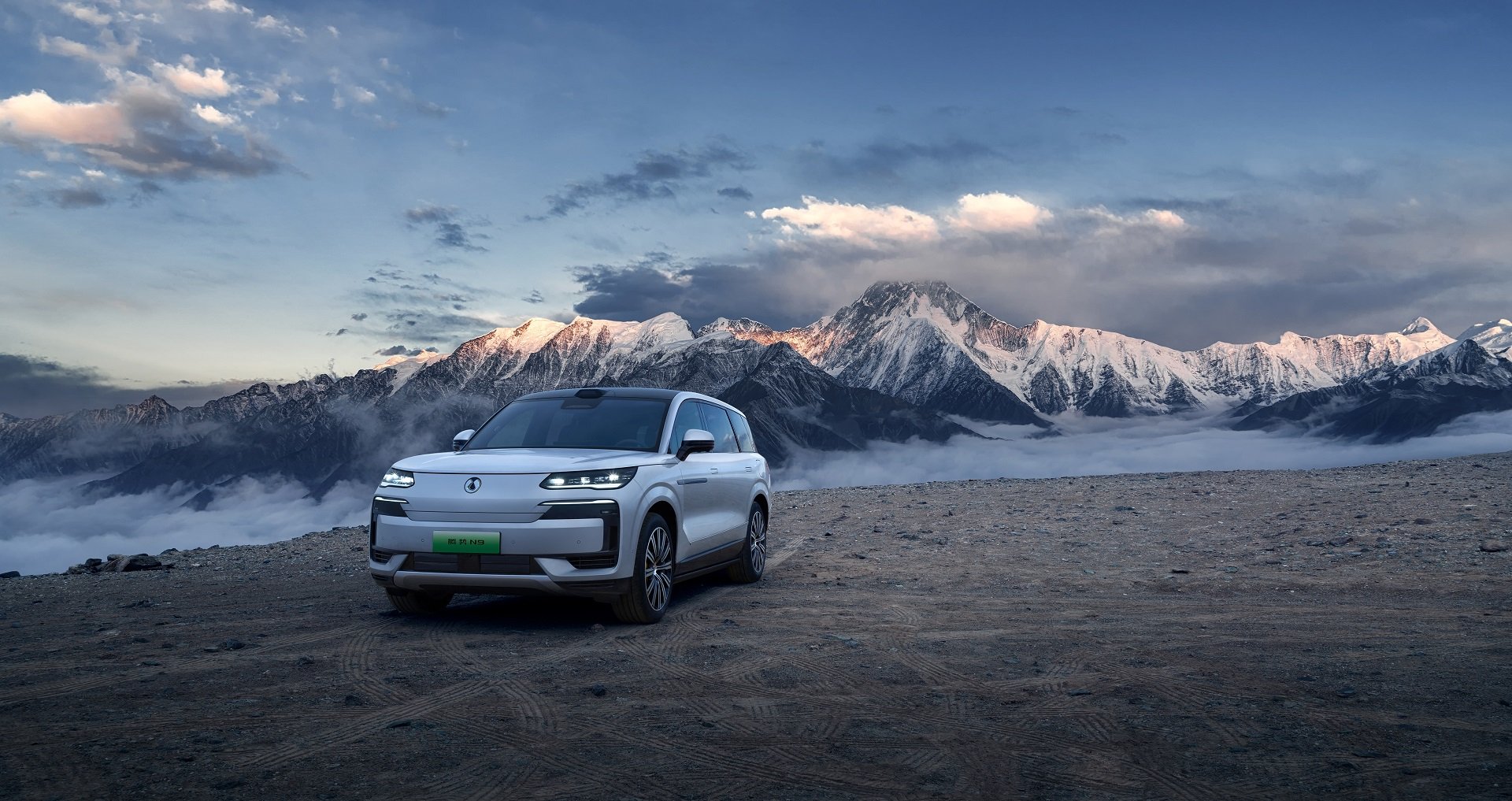
The Denza N9, a flagship model that combines BYD's cutting-edge technologies, has gained widespread recognition from the market and consumers with its "145" product code—1 core technology platform (the E-Sanfang vehicle intelligent control technology platform), 4 major full-scenario coverages (suitable for city and off-road, business and family), and 5 all-around advantages (all-around safety, all-around driving control, all-around intelligence, all-around space, and all-around luxury). Since our title mentions that "safety is the greatest luxury," this article will set aside exterior, interior, space, cabin, power, range, and other aspects, and focus on the safety of the Denza N9.
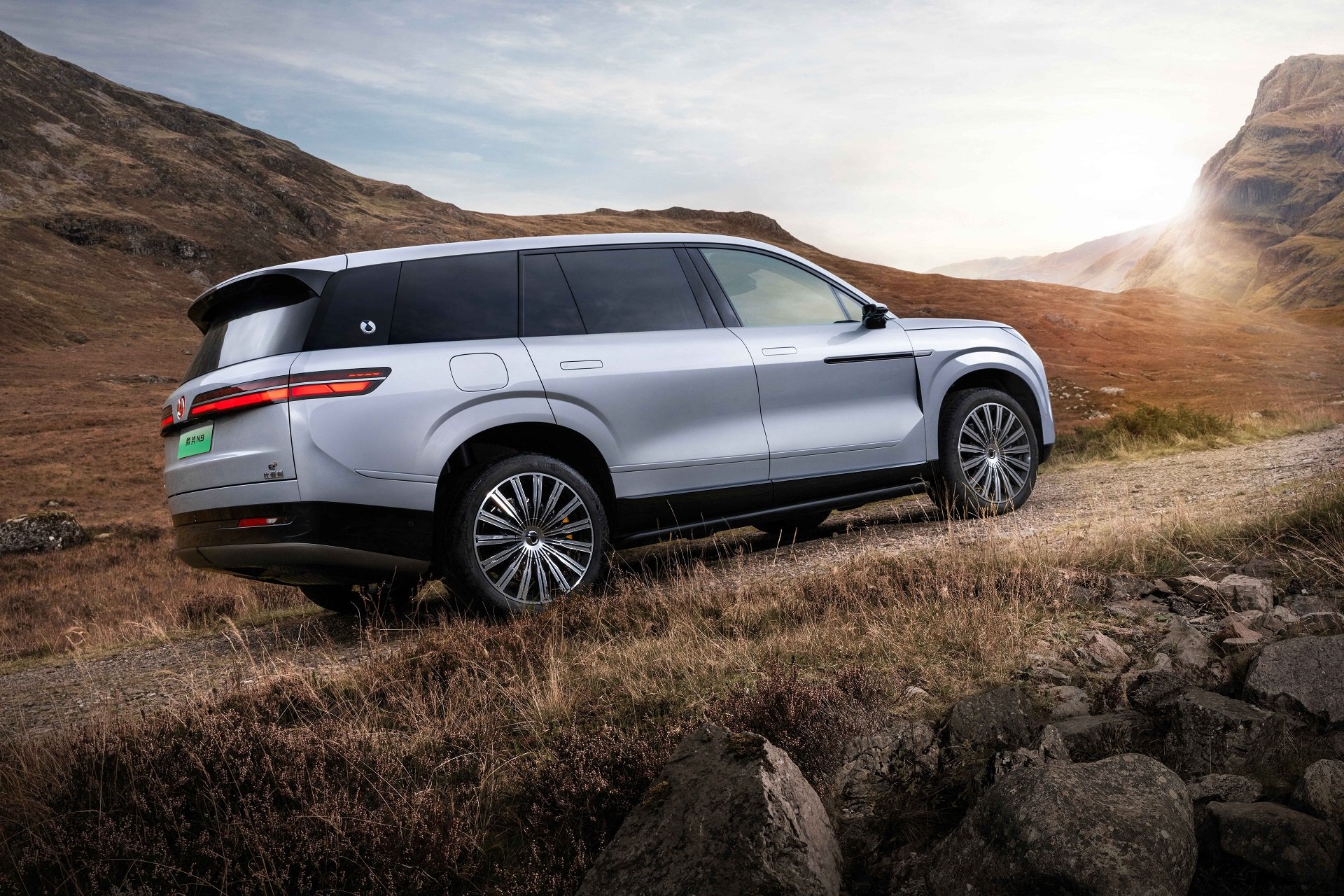
Some time ago, I believe many people noticed an article titled "World's first to break 160 km/h! Denza N9 sets a new fishhook test record with double the international standard." That's right! This is the safety strength of the Denza N9.
As is well known, in traffic accidents, vehicle rollovers are one of the most dangerous types of accidents. Relevant data shows that deaths caused by vehicle rollovers account for 35% of total traffic accident deaths. Especially for mid-to-large SUVs, due to their heavy body, high center of gravity, and large inertia, the probability of fatal rollover accidents is about 9 times that of ordinary sedans, which means that the rollover prevention capability of mid-to-large SUVs is extremely important and is a key guarantee of safety.
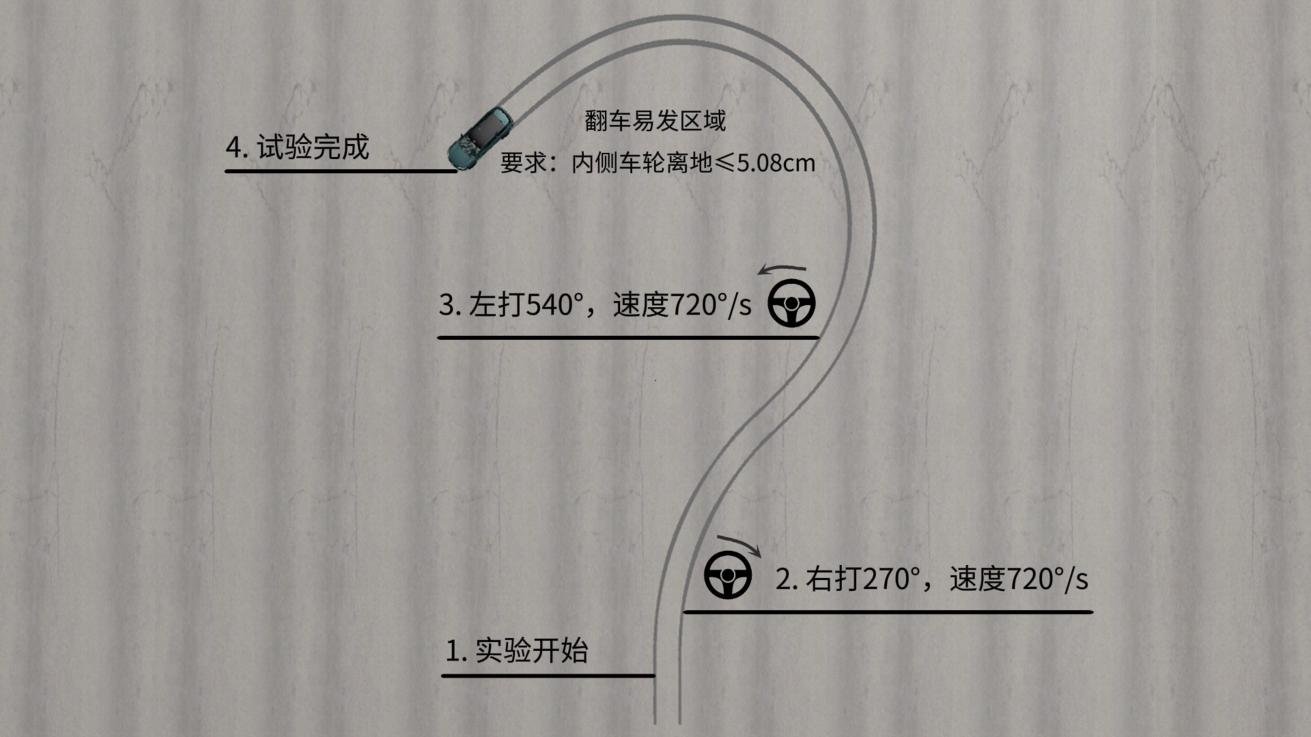
So how do you judge an SUV's rollover prevention capability? The most authoritative test is the fishhook test, which has long been called the "ultimate examination room" for a car's rollover prevention capability. SUVs that can pass it smoothly all have very strong rollover prevention capability. To help everyone understand more deeply what the fishhook test is, I will show you an image.

As mentioned earlier, body weight, center of gravity, and inertia affect the rollover probability of mid-to-large SUVs. Therefore, it is necessary to first look at the parameters of the Denza N9. The Denza N9 is positioned as a large full-size SUV. Its body dimensions are 5258 mm × 2030 mm × 1830 mm, with a wheelbase of 3125 mm, and a curb weight of more than 3 tons. It can be seen that the Denza N9 has a higher center of gravity, a heavier body, and greater inertia, facing greater difficulty in challenging the fishhook test.
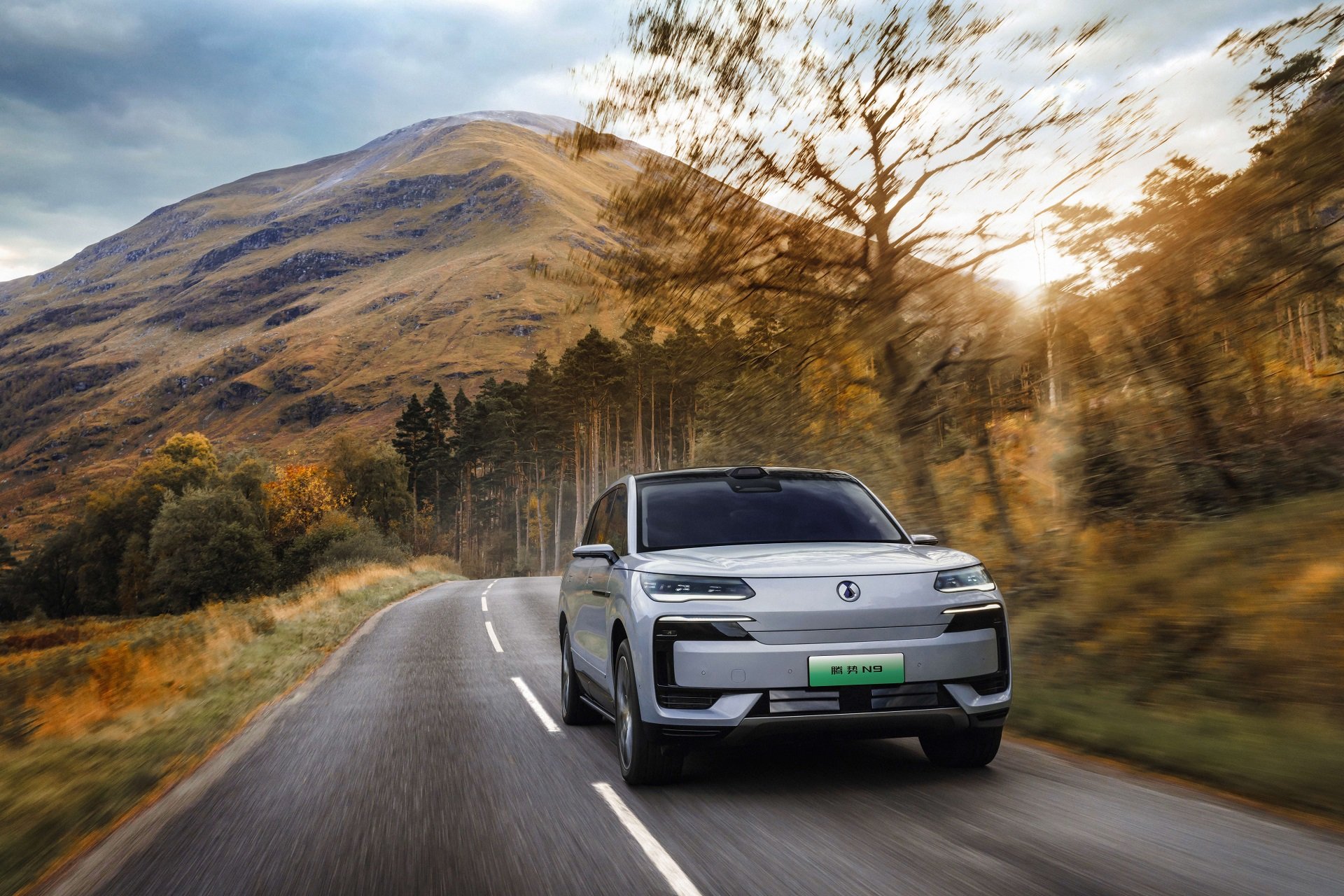
There are online reports that the Porsche Cayenne's highest fishhook test speed was 82.4 km/h, holding the record among production SUVs for five years. The Denza N9 this time passed the fishhook test at 160 km/h, twice the international standard (80 km/h), not only setting a new global record; during the test, the Denza N9 also achieved all four wheels completely off the ground. Isn't that impressive! It is said that 160 km/h is not even the limit speed of the Denza N9 in the fishhook test. This foreshadows that the Denza N9 has powerful rollover prevention capability.
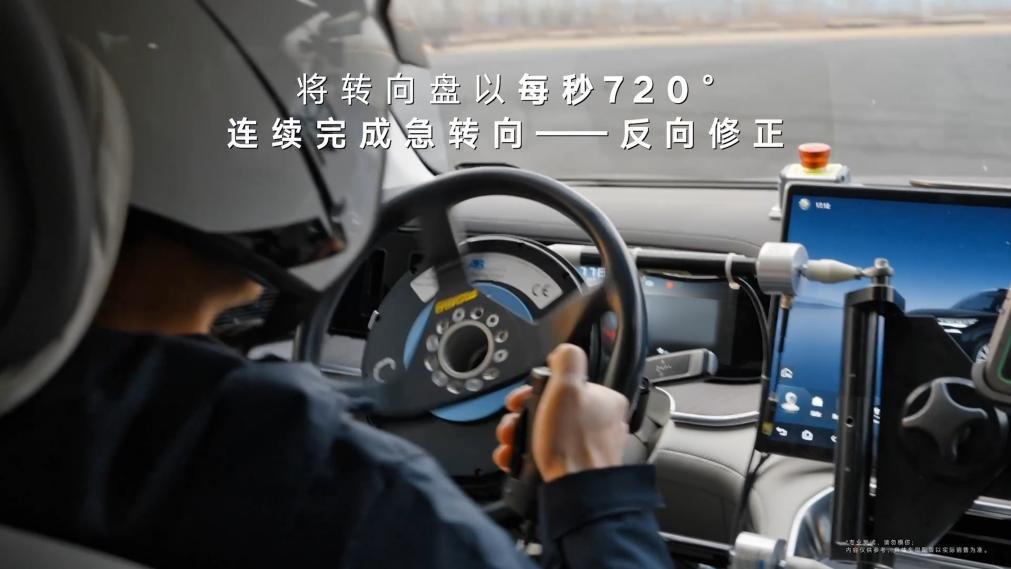
So why can the Denza N9 achieve such a high fishhook test speed of 160 km/h? The key lies in two core technologies equipped on the Denza N9.
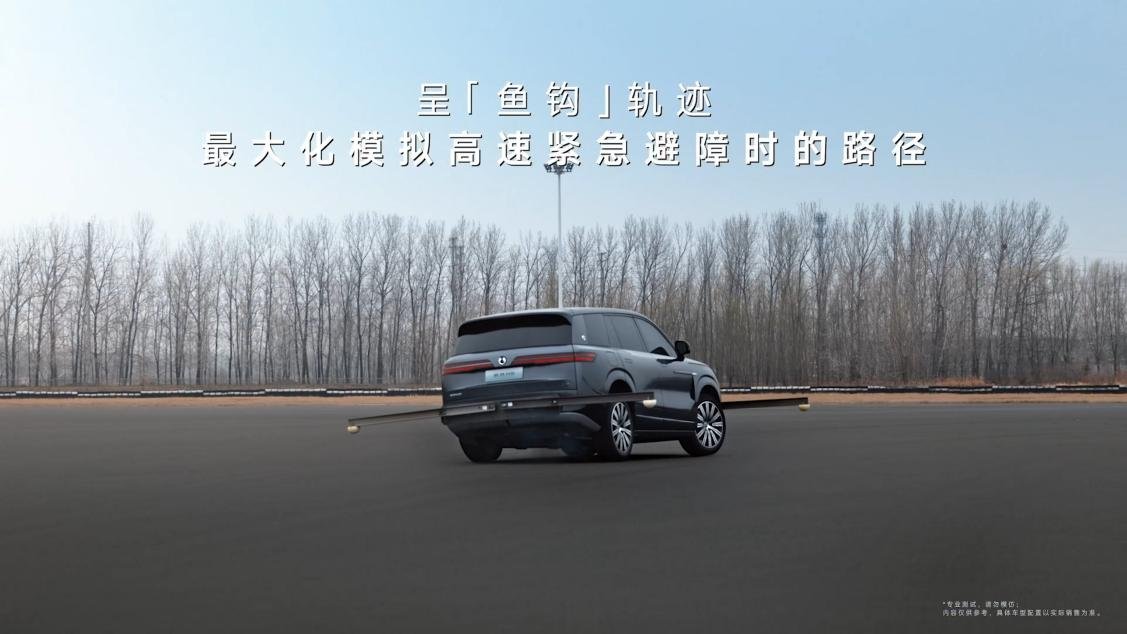
First, the Denza N9 is equipped with the DiSus-A intelligent air body control system, which can adjust suspension damping and stiffness in real time, optimize vehicle support performance, and effectively suppress rollovers.
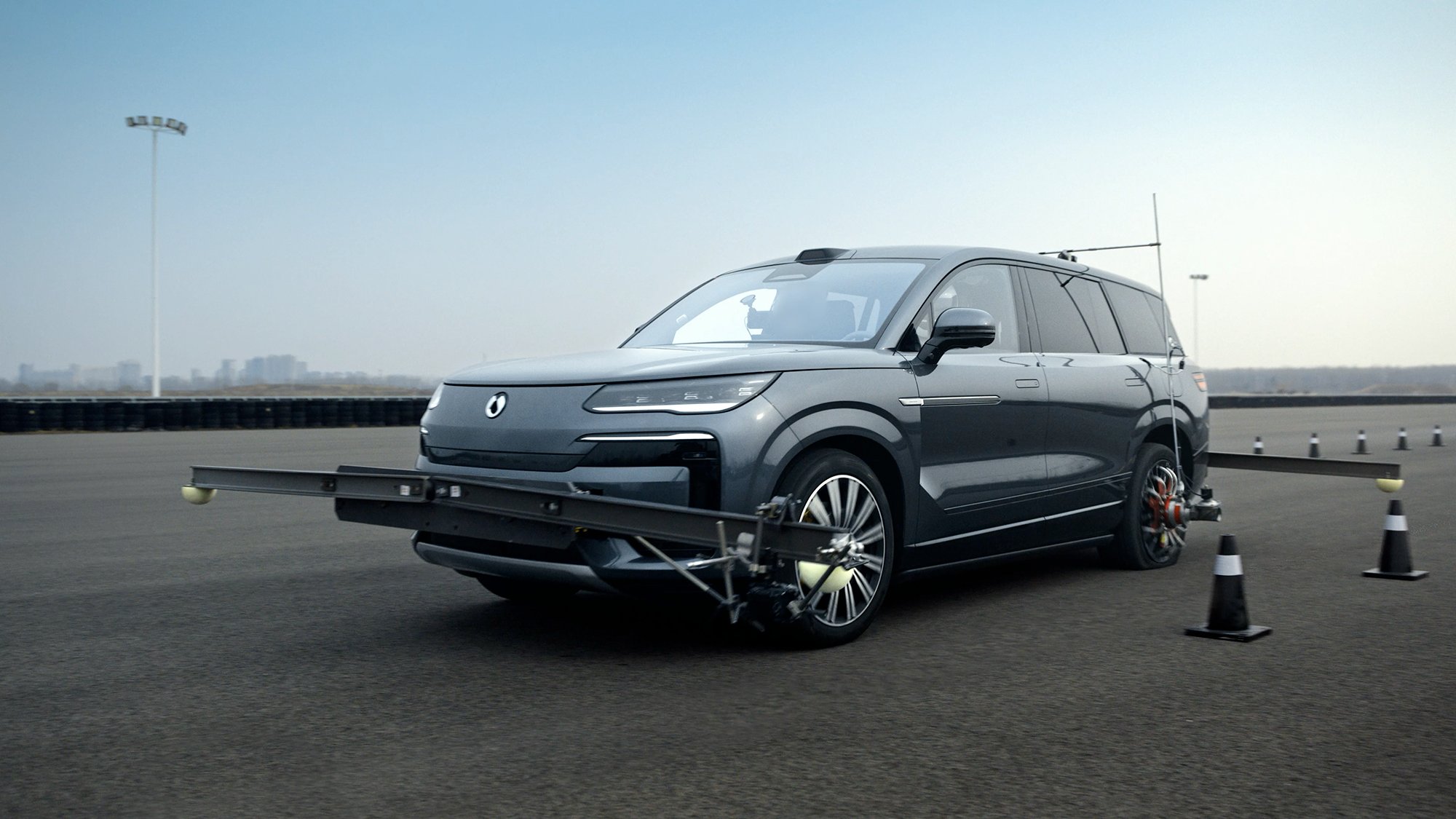
Second, the E-Sanfang technology equipped on the Denza N9 can independently adjust the torque of each wheel during extreme steering, while coordinating with rear-wheel steering angle to instantly generate precise reverse yaw force and help the vehicle maintain stability. With the intelligent coordinated cooperation of these two technologies, the Denza N9 is able to safely and perfectly pass the fishhook test challenge at 160 km/h, demonstrating outstanding handling performance and safety.
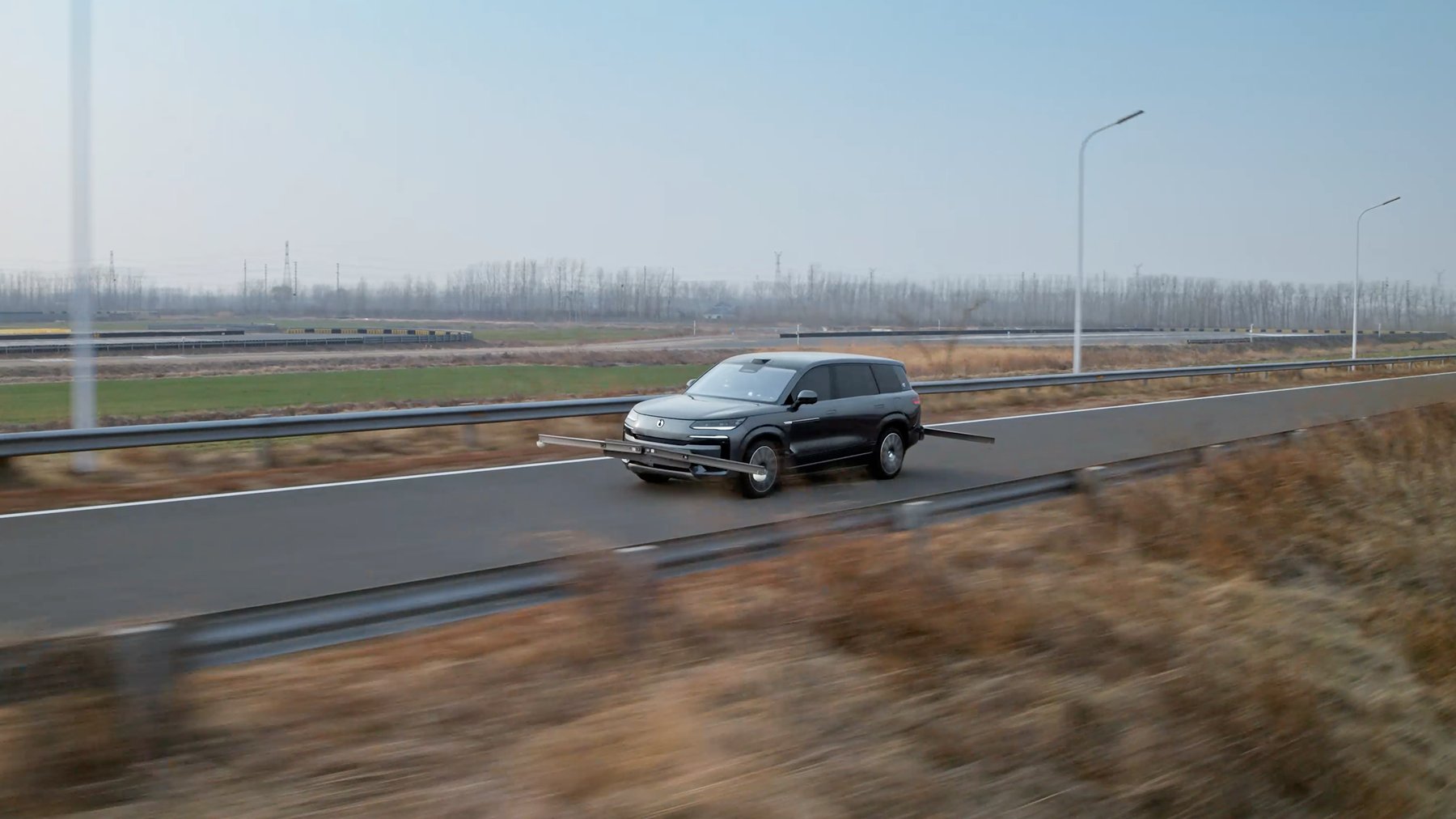
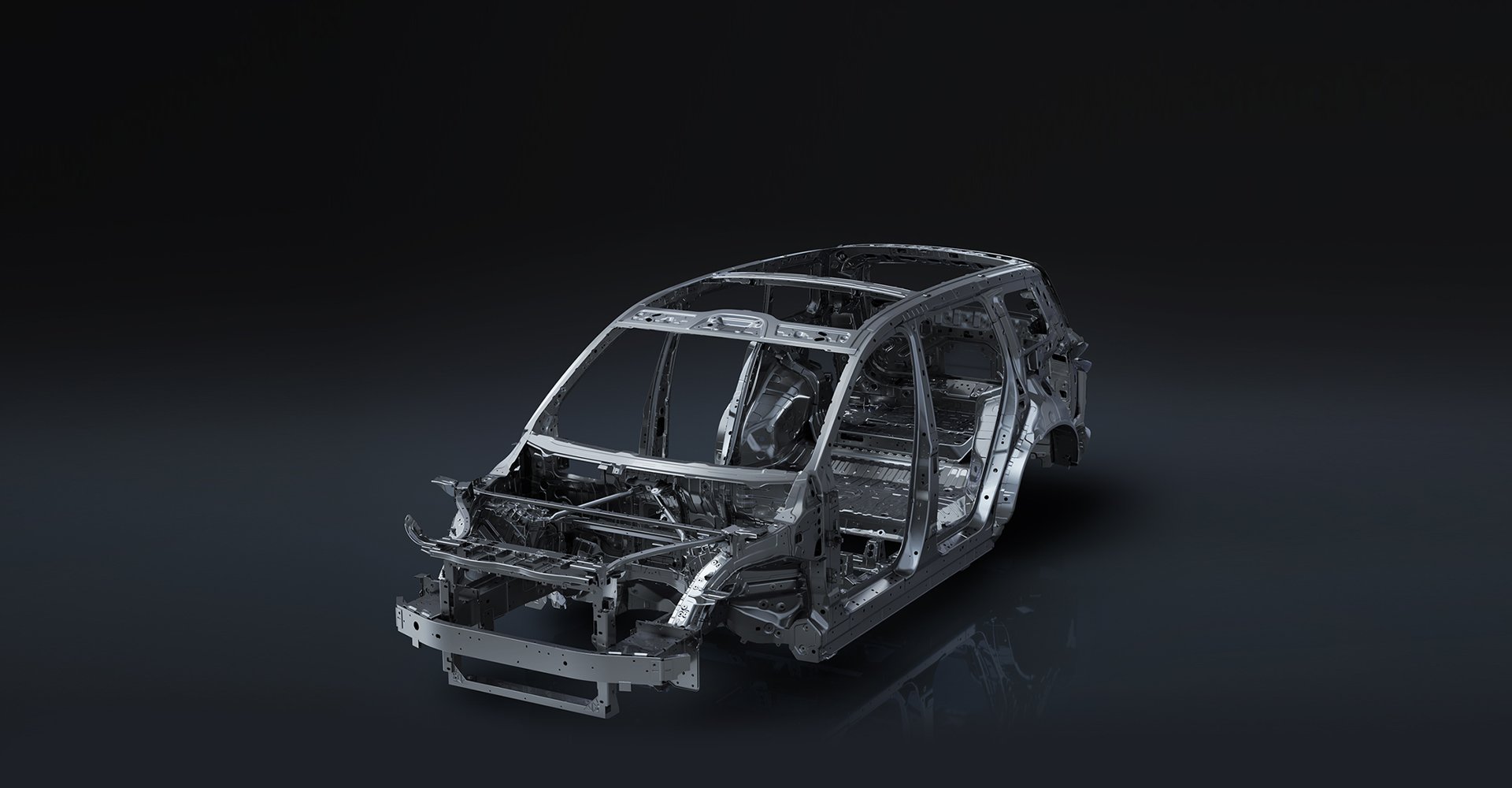
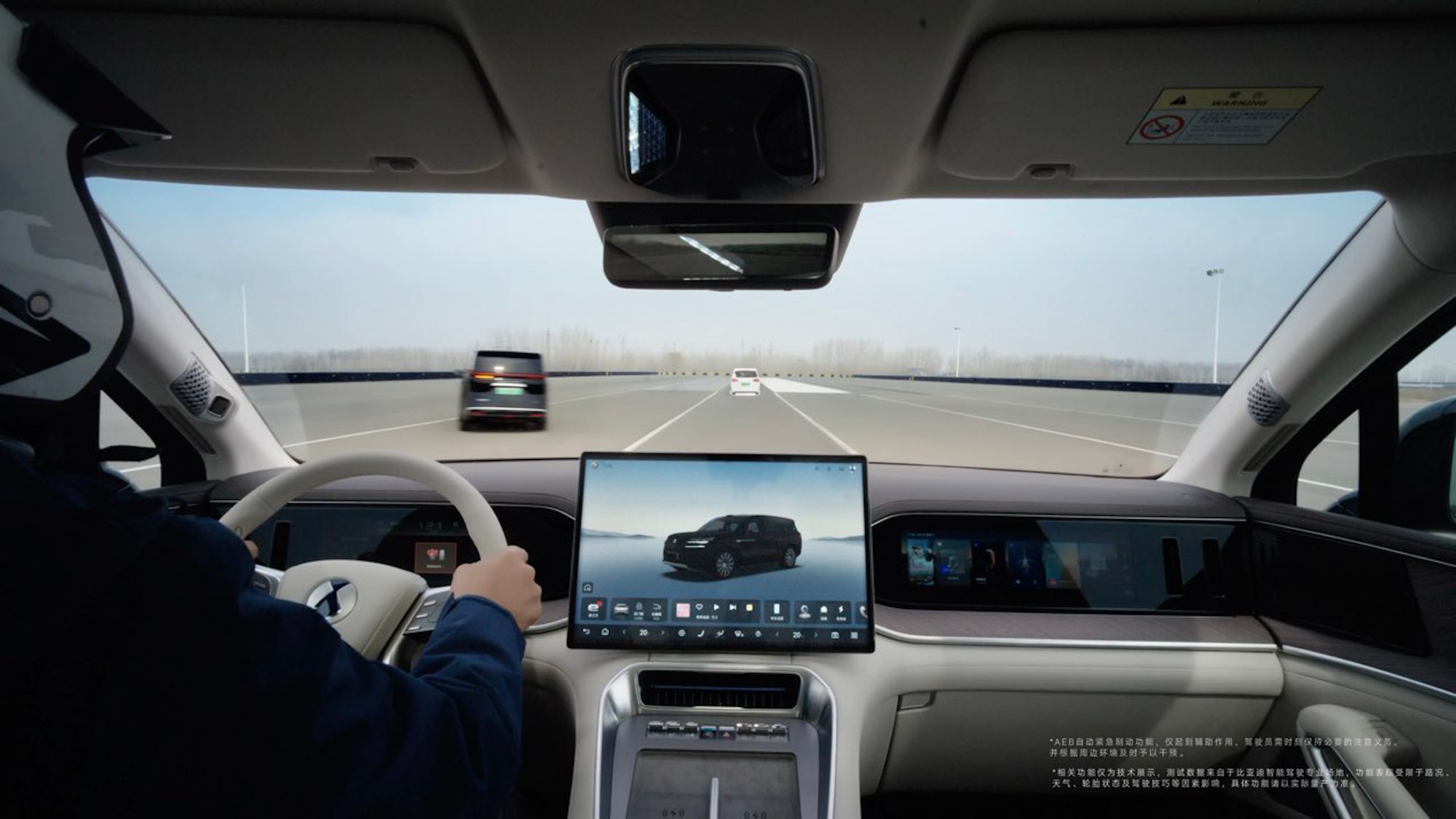
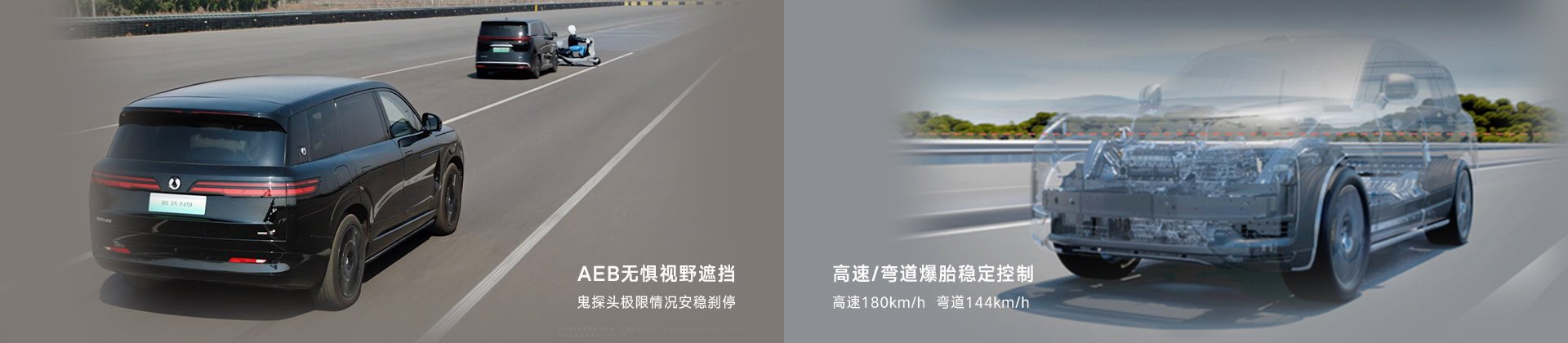
In addition, in terms of passive safety, the Denza N9 adopts a 2000 MPa hot-formed steel cage body, is equipped with hybrid CTB battery-body integration technology, and comes standard with 9 airbags across the entire vehicle. In terms of active safety, the Denza N9 is equipped with systems such as AEB active braking and high-speed/curve tire blowout stability control.
Conclusion:
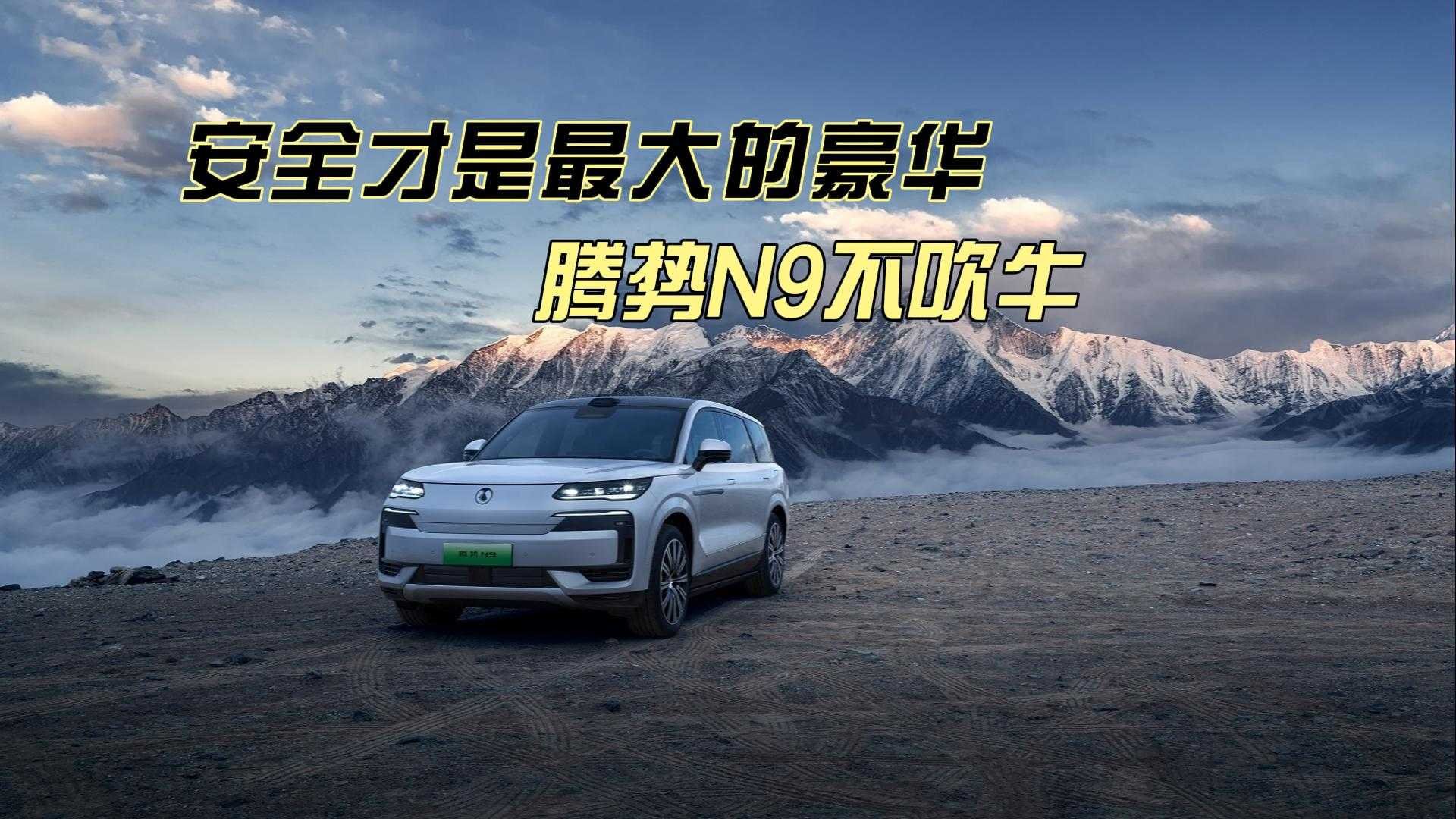
This year can be said to be the first year of large flagship new energy SUVs. In just a few months, multiple new models have been unveiled, opened for pre-sale, or launched one after another; for example: Lynk & Co 900, Hyper HL, AITO M8, Deepal S09, and Denza N9, among others. The Denza N9 not only comes standard across the lineup with E-Sanfang, a 2.0T super hybrid, DiSus-A (dual-chamber air suspension), and God's Eye advanced intelligent driving; it also passed the fishhook test—known as the "death curve" and stricter than the moose test—at 160 km/h, raising safety to a new height. By comparison, doesn't the Denza N9 seem more competitive? Without exaggeration, the Denza N9 was not bragging; it proved with practical action that "safety is the greatest luxury."
Denza N9 Doesn't Boast, Proves with Action That "Safety Is the Greatest Luxury"
Related Stories
kmautoBANG
Starting at 92,900 yuan, Geely's fourth-generation Boyue L launches in Kunming with first batch of user deliveries
shishiche
Tesla Q3 in One Earnings Report: Steady Delivery Growth, Robotaxi, Energy Storage, and Robotics All Accelerating
ZhidianDaV
More off-road than family cars, smarter than off-roaders, M-Hero X700 arrives, limited-time starting at 209,800 yuan