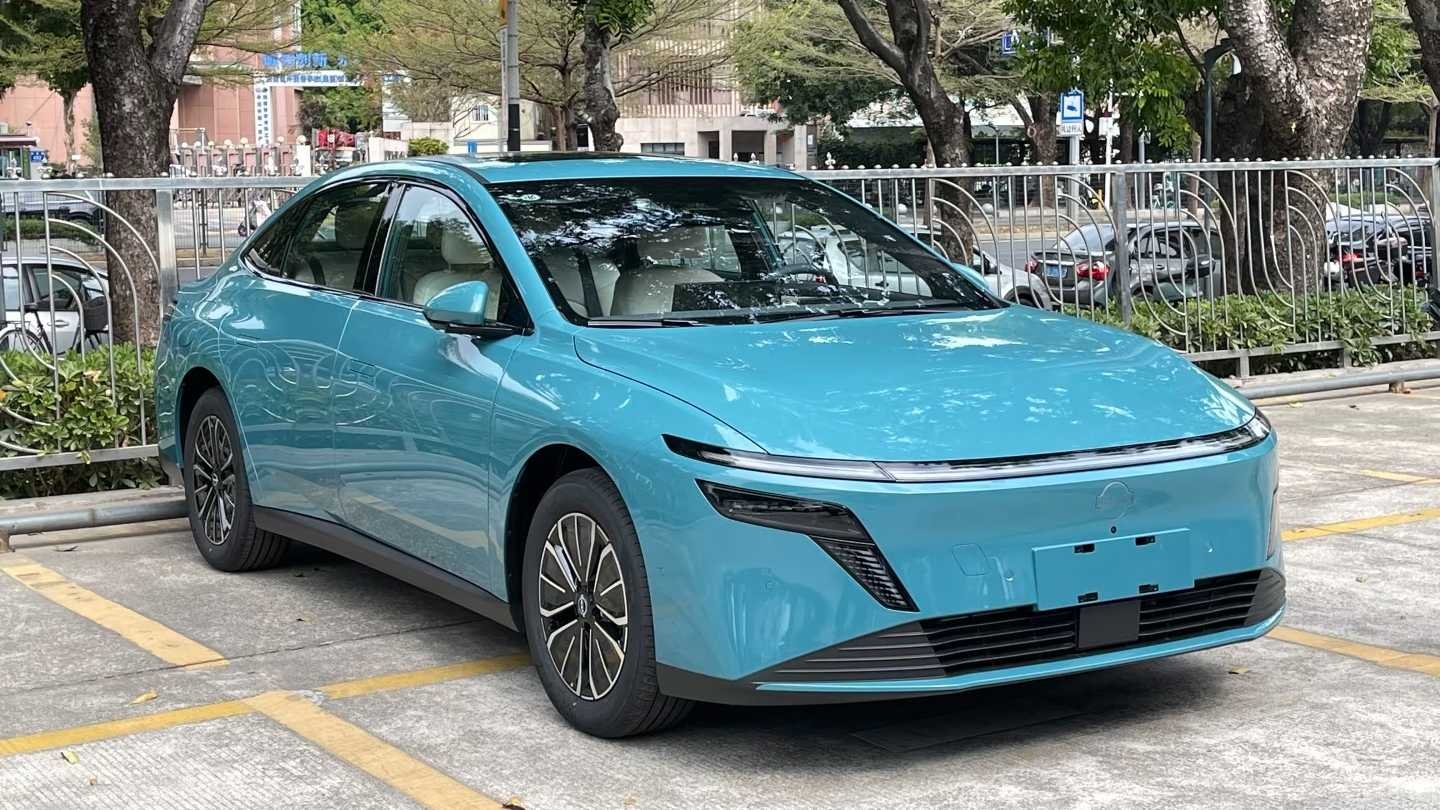
A couple of days ago, an old classmate I hadn't really kept in touch with since graduation suddenly popped up on WeChat: "You there? Got a question for you. That new Dongfeng Nissan N6 180 Pro+, have you been following it? Just over 110k, says it comes with CATL battery and some Momenta assisted driving, sounds pretty impressive. Is this car actually worth buying? How does it compare to the BYD Qin L?"
I could feel his dilemma through the screen. This guy just got married not long ago, the young couple's budget is tight, they want to buy a plug-in hybrid sedan—they want to save on fuel and money, don't want the配置 to be too bare-bones, and still want it to at least be a joint-venture brand so it has some face when driving it out. In the past, with this kind of budget, people wouldn't even dare imagine having so many choices—either honestly look at domestic brands, or grit your teeth and get something like the Corolla Hybrid that's basically a "bare shell." Now things are better—Dongfeng Nissan has directly dropped the limited-time price of the N6 Pro+ mid-high trim to 111,900 yuan, which really makes people itch with desire.
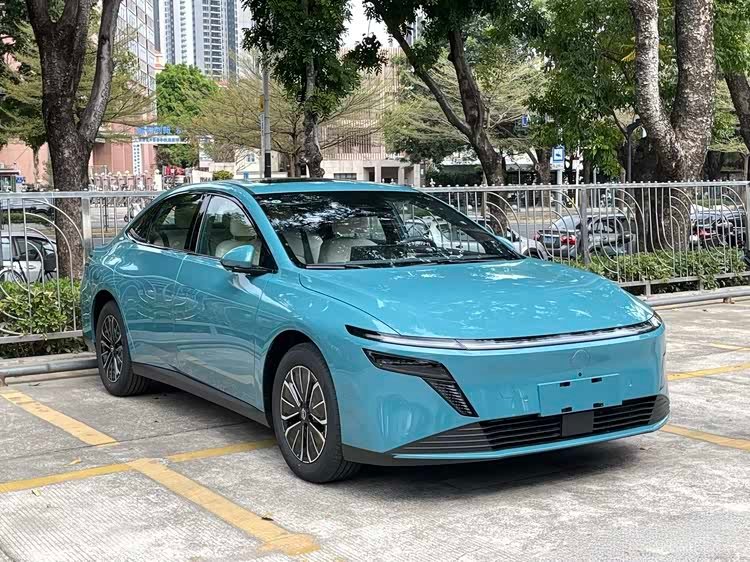
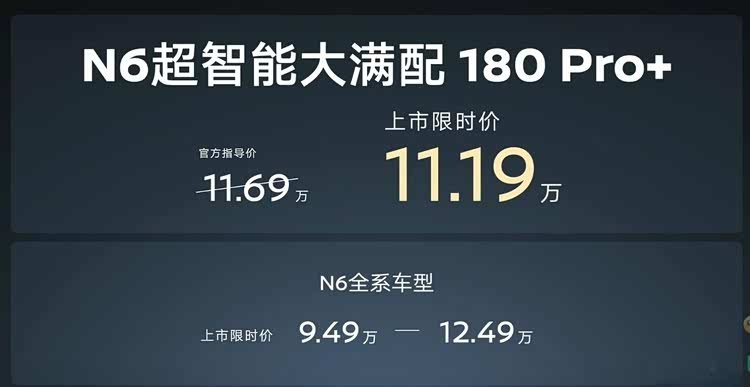
Today let's take this opportunity to sit down and talk about this newly launched car. No hype, no bashing—just some honest talk to help you analyze whether this Nissan N6 Pro+ is really a good deal, who it suits, and who it doesn't. Let's just discuss the two questions everyone struggles with most: First, at this price point for a plug-in hybrid, can you really have both money-saving and good driving without it feeling sluggish? Second, if you want decent smart features, do you really have to pay up to 130-140k?
Let's start with the first question, which everyone cares about most: Is it economical to use, and is it fun to drive?
Look at the plug-in hybrids that sell well in this price range, like the BYD Qin L or Geely Galaxy A7—their main selling logic is "economy," and there's nothing wrong with that. But some cars, in order to save fuel, tune the power to be quite "zen-like." Especially in a low-charge state or when you want to overtake on the highway, you'll feel the speed is a bit lacking, and after driving for a while you always feel something's missing. Passengers also tend to feel uncomfortable, and in stop-and-go city traffic, it's easy to get carsick.
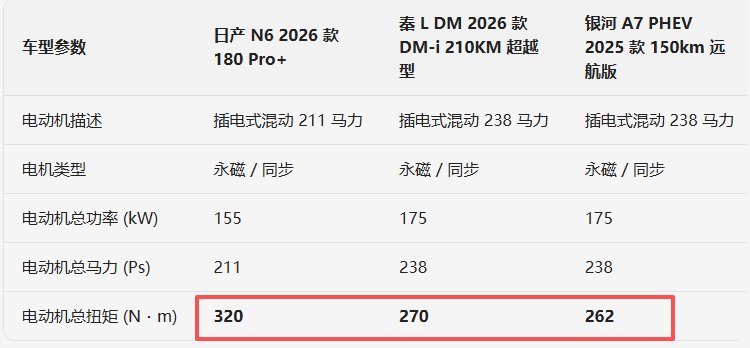
But the N6 Pro+'s powertrain approach is a bit different. It uses a 1.5L engine plus a front-mounted single motor combination, with maximum motor torque reaching 320N·m, and the official 0-100 acceleration is 6.8 seconds. This figure is quite good among its peers—the Qin L and Galaxy A7 both have 0-100 times in the 7-second range. That means this Nissan N6 Pro+ feels more brisk off the line in daily driving, and has more confidence when accelerating to overtake in the mid-range, so you won't have that frustrated feeling of "I can only endure it to save fuel." The transmission it uses is a single-speed DHT, not a traditional CVT, so the power delivery is more direct, and when the engine kicks in, it's not too noisy—pretty smooth.
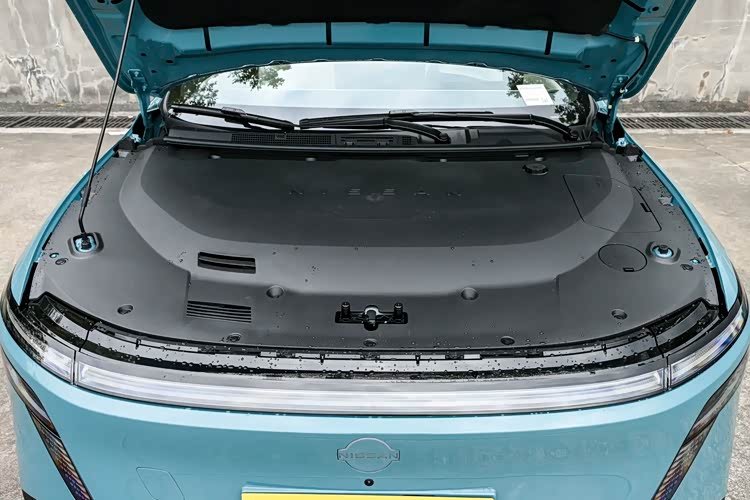
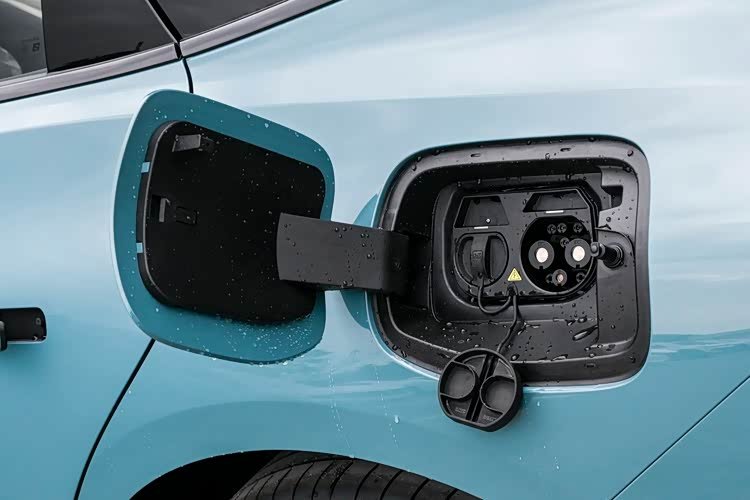
Of course, fuel economy is a hard indicator. The vehicle is equipped with a CATL 20.3kWh lithium iron phosphate battery pack, with CLTC pure electric range reaching 180 kilometers. What does that mean? If your daily commute is 30 kilometers round trip, charging once a week is basically enough—you can completely drive it as a pure EV. Some media outlets have done the math for everyone: if you charge with a home charger, the cost per kilometer can really be around 1.5 cents. Even if you run out of charge on a long trip, its official fuel consumption in a depleted state is 2.79L/100km, and it takes 92-octane gas, so the cost of long trips is also much lower than a traditional gas car. It also supports 42kW fast charging, going from 30% to 80% in just 17 minutes. This charging speed is quite fast among plug-in hybrids in the 110k range—you can add a good amount of charge in the time it takes to eat a meal or grab a coffee. It's fair to say that between "economy" and "power," it's found a nice balance point—taking care of your wallet without shortchanging your right foot.
After talking about power and saving money, let's look at the second thorny question: Can you really get a genuinely usable smart experience at a cheap price?
This might be where many friends who want to buy a joint-venture brand struggle the most. What was our impression of joint-venture car intelligence before? A car system that reacts half a beat late, a "senior phone" with only basic functions, and having to mount a phone holder just to use a decent navigation. Meanwhile, domestic brand benchmarks like the Qin L have indeed done well in intelligence—DiLink car system plus DiPilot assisted driving, they have what they should have.
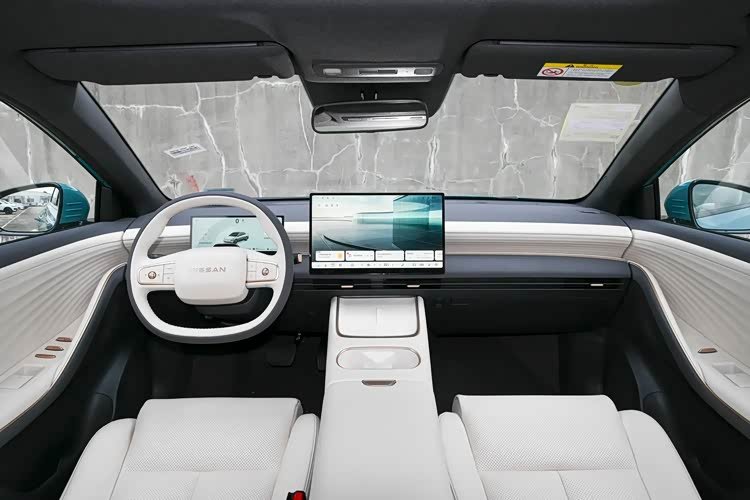
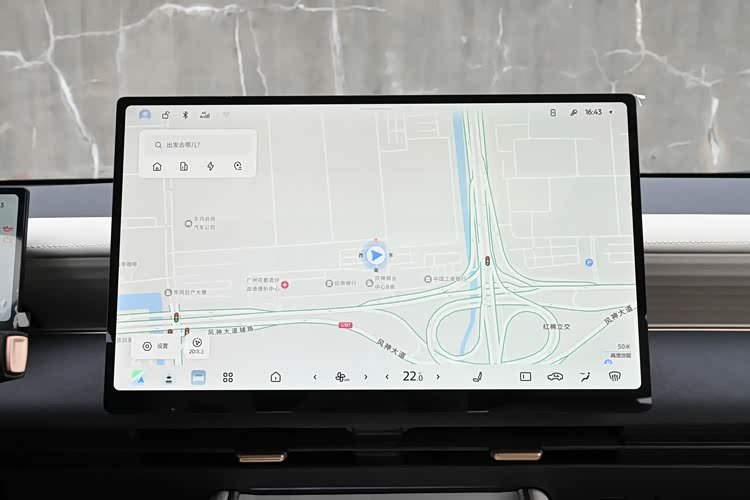
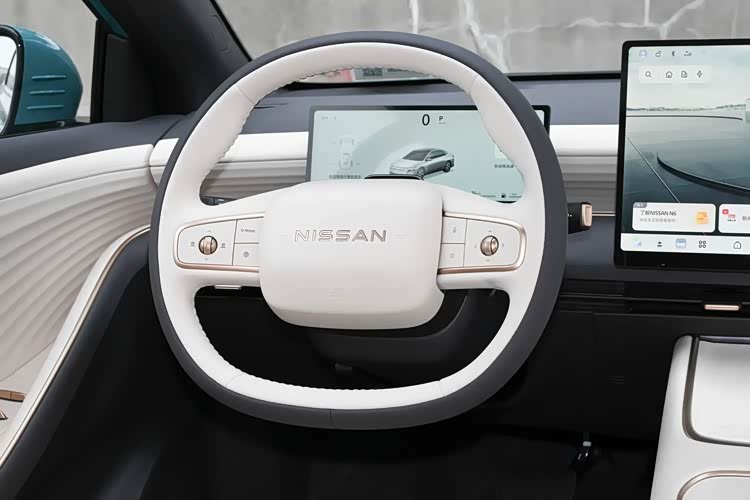
But the N6 Pro+'s approach this time is a bit "no holds barred." It stuffed a genuinely sincere smart cockpit and advanced assisted driving system into a car just over 110k. The cockpit chip is the Qualcomm Snapdragon 8775—this chip's computing power is significantly stronger than the current mainstream 8155. The direct benefit is that the 15.6-inch 2.5K large screen operates very smoothly—swiping the map and switching apps have basically no lag. The system also integrates iFlytek and DeepSeek large models. The voice assistant "Hello Nini" has pretty good recognition and comprehension—you say "I'm a bit cold," and it knows to turn up the AC temperature, no need to enunciate perfectly to give commands.
The main event is the assisted driving system co-developed with Momenta. This might be the joint-venture plug-in hybrid in this price range with the most comprehensive feature coverage you can buy. It not only has the common highway navigation assist NOA, which can help you automatically merge on and off ramps, overtake and change lanes, and avoid large vehicles on the highway, but more importantly, it has a city memory navigation assist function. This feature is quite practical—it can learn your fixed daily commute route, and then on that route, it can achieve autonomous following, steering, and traffic light recognition. Honestly, for friends who commute in the city every day, this feature's relief of driving fatigue might be more tangible than highway NOA. In addition, its all-scenario parking assist is also well done—those dead-end parking spots and extremely narrow spots that give beginners headaches, it can park itself. It's fair to say that in terms of intelligence, the N6 Pro+ hasn't shrunk because of its price—instead, it's pushed the smart experience of joint-venture cars at this price point up a notch.
At this point, someone's bound to mutter: the price is so reasonable, the配置 is pretty complete, so are there any tricks elsewhere? Like, is the space enough? Is it comfortable to sit in? After all, buying a car is for the whole family to sit in.
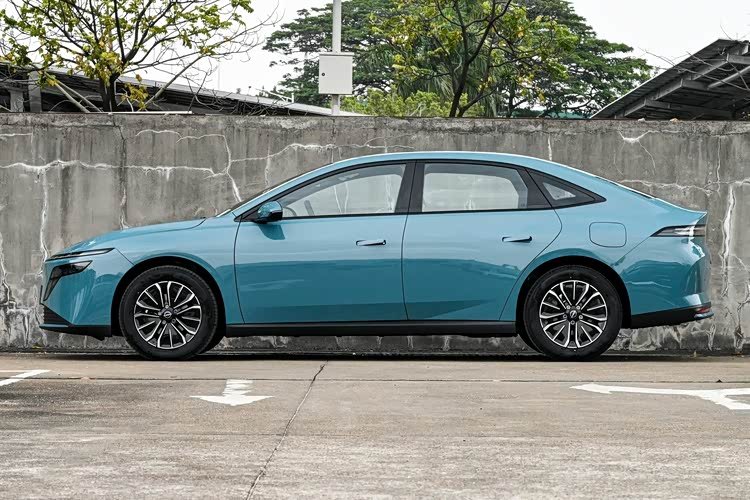
You don't need to worry about that—after all, the "Nissan big sofa" reputation isn't for nothing. The N6 Pro+'s wheelbase is 2815mm, a tiny bit longer than the Qin L's 2790mm. In practice, the rear legroom is very generous for most families, and the rear floor is almost completely flat—when someone sits in the middle, there's room for their feet, so it's not too awkward. The trunk volume is 570L—putting a stroller or the family's luggage for a trip is no problem.
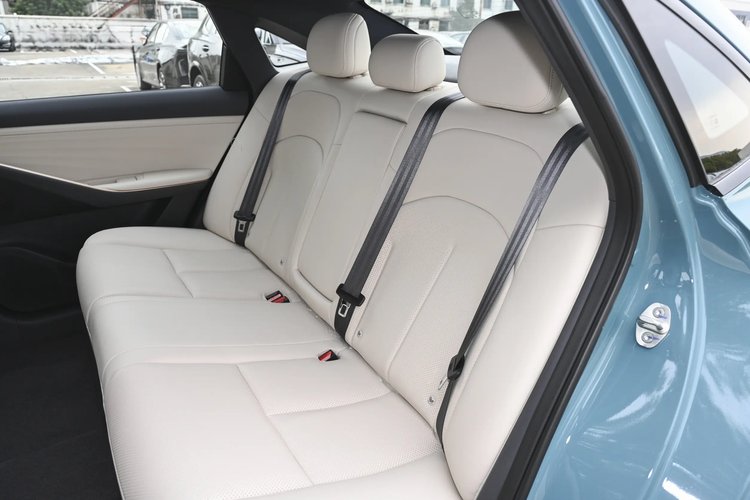
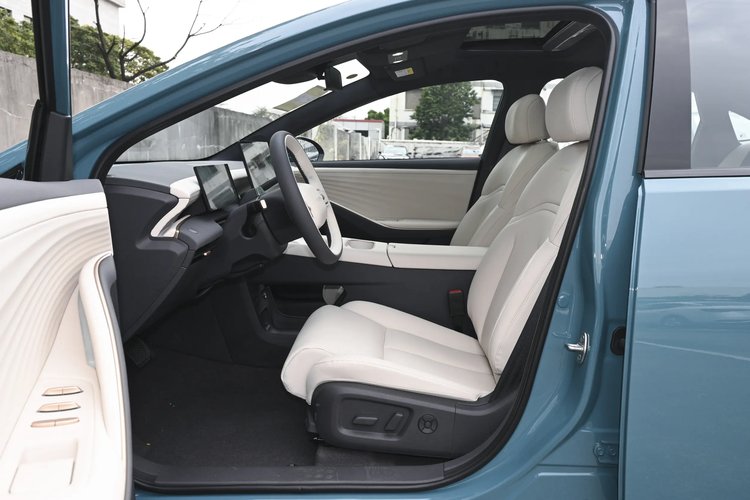
As for the seats, although the Pro+ version lacks the AI zero-pressure cloud blanket seat with massage function that the higher Max+ trim has, Nissan's expertise in seat padding is still there—you still get that sinking-in feeling when you sit down, and the support is good too. And this car has a thoughtful feature called the Full-Domain Intelligent Motion Sickness Prevention System 2.0. Friends who have elderly family members or kids who get carsick easily in EVs should understand—the "nodding" feeling from EV acceleration and deceleration is really uncomfortable. This system uses algorithms to make power output and braking smoother, reducing body pitch, which can significantly lower the probability of carsickness. For family users, this is definitely a plus.
Finally, we should talk about the brand and that peace-of-mind factor. In recent years, people's attitude toward joint-venture new energy vehicles has been a bit complicated—always feeling they're half a beat slow. But if you look at the global market, Nissan's accumulation in the new energy field runs deep—the technical heritage is there. This time the N6 Pro+ directly uses CATL batteries, plus Dongfeng Nissan's own Cloud Shield battery technology, and also comes with lifetime warranty on the three electric systems and that pretty aggressive "lifetime no-strings spontaneous combustion full compensation" policy. It's basically telling consumers: drive with peace of mind, I've got your back. This kind of confidence in their own product quality is more effective than any fancy talk.
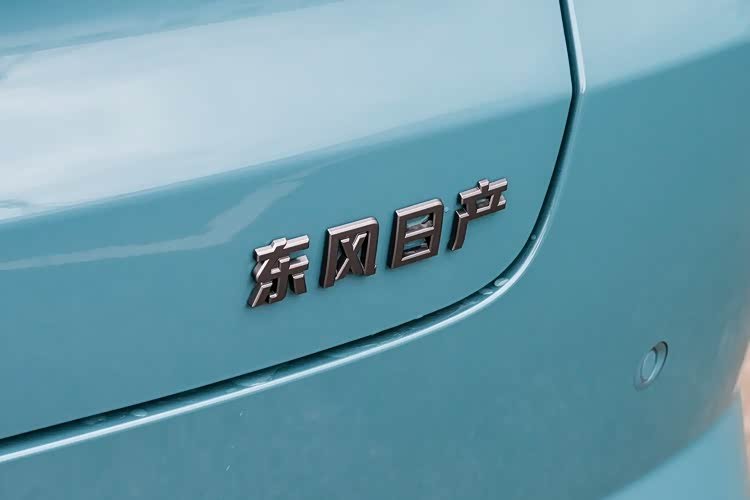
So, back to the original question: Is the Dongfeng Nissan N6 180 Pro+ actually worth buying?
My view is that this car's target audience is drawn very clearly. If you're a post-90s or young first-time buyer family, with a budget around 110k, very sensitive to usage costs (daily commute isn't short), but don't want to completely sacrifice driving feel and smart experience just to save money, and also want the brand to have some reliability—then this N6 Pro+ is indeed a choice worth seriously considering. It uses CATL batteries to address range and safety concerns, uses the Momenta assisted driving system to address daily commute pain points, and uses Nissan's big sofa and motion sickness prevention technology to take care of family passengers' comfort.
Of course, no car is perfect. Its rear suspension uses a torsion beam non-independent suspension. Although it's tuned quite comfortably for daily driving, if you have very high demands for chassis damping, or often drive on really bad roads, then a multi-link model at the same price might suit you better.
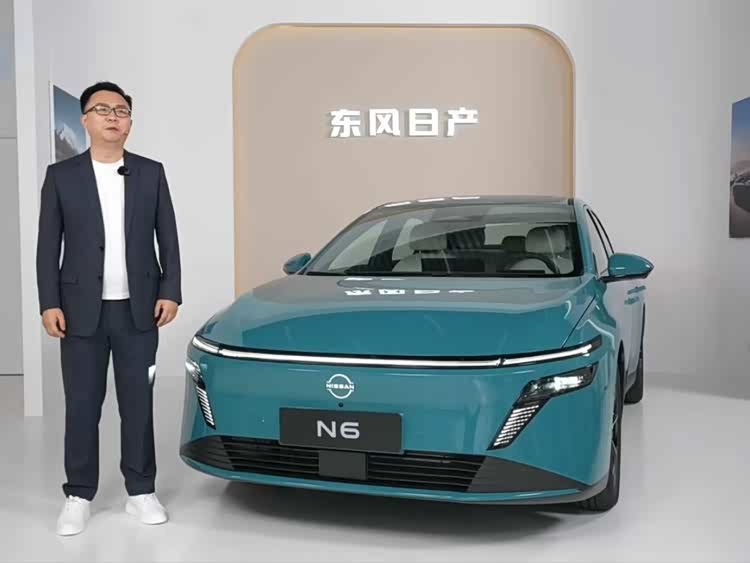
After all this talk, here's a practical suggestion: Don't just listen to me chat here, and don't make a decision based only on price. Find some time, bring your wife and kids, go to the 4S dealership to personally touch this car, sit in the back seat to feel the space, then take it for a drive and test whether that city memory navigation assist is actually usable on city roads. Then take the same budget and go test drive the Qin L and Galaxy A7 at the BYD and Geely stores next door. Only with comparison will you have an answer—see which car understands you better, and understands your family's real needs better. After all, earning money isn't easy these days—every penny we spend has to buy something clear and something comfortable.


