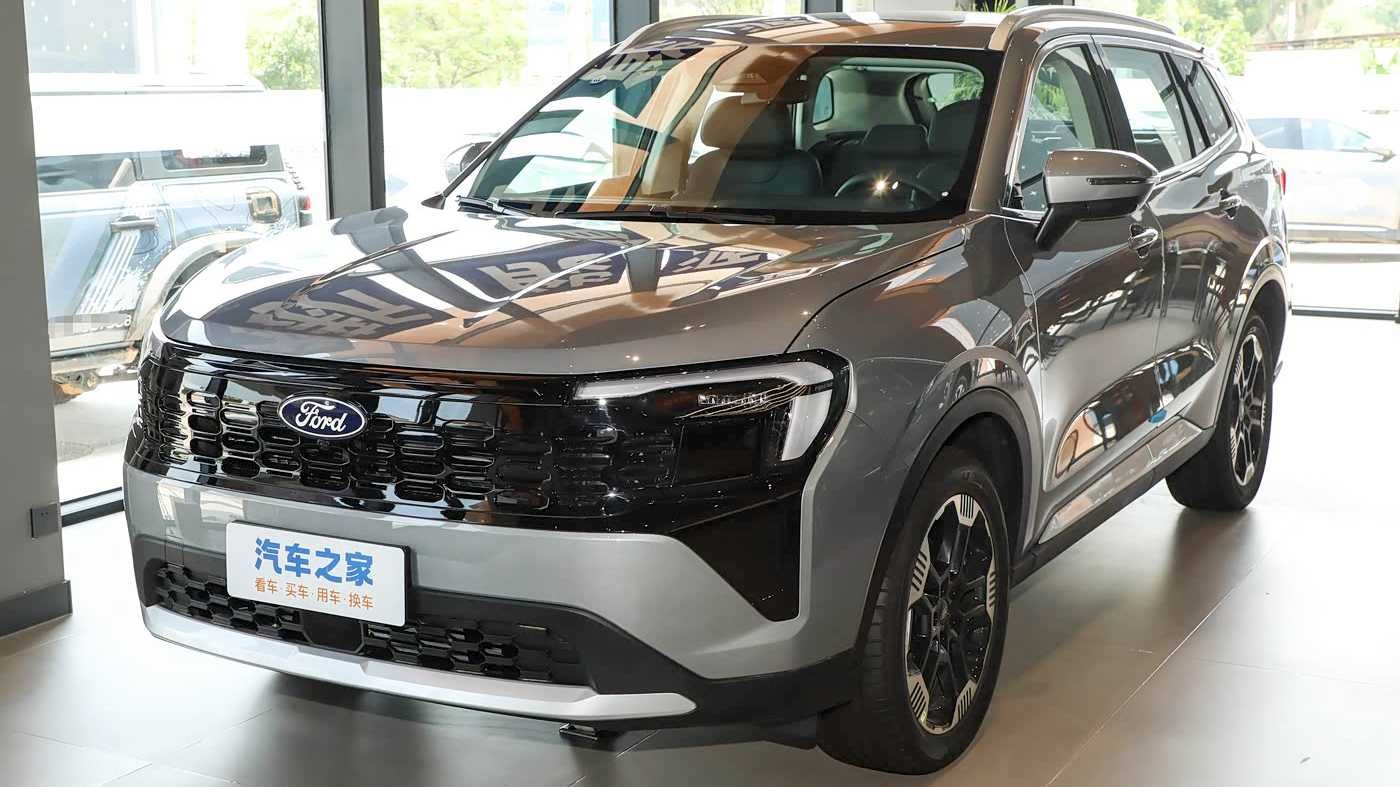
In recent years, whenever the conversation turns to joint-venture brands, especially "veteran players" like Ford, some people always shake their heads and wonder whether they have fallen behind. The designs seem conservative, the infotainment systems feel sluggish, and the prices still seem to carry an air of aloofness, as if the halo has faded. But when I got the keys to the 2025 Ford Equator Sport and spent an entire day with it, driving from city ring roads to suburban mountain roads and then simulating all kinds of scenarios for a family outing, some different thoughts came to mind. Perhaps for a brand like Ford, a more pragmatic strategy is not to compete for the flashiest titles, but to precisely serve those mainstream users with clear needs. And the Equator Sport may be a typical example of this approach.
Price may be its most direct "breakthrough point"
Before discussing any product strength, price is always the most persuasive door knocker. The pricing of the 2025 Equator Sport gave me the first impression of being "clear-headed." When many joint-venture mid-size SUVs are still hovering at the threshold of 150,000 to 160,000 yuan or even higher, the Equator Sport directly sets its official starting price below 100,000 yuan, and after factoring in various terminal discounts, the actual entry threshold is indeed more flexible. This means that a pragmatic family's car-buying budget no longer has to be limited to a compact sedan or SUV, but can realistically reach a more spacious joint-venture mid-size SUV. This pricing strategy is clearly not about "showing off," but about precisely targeting family users who are price-sensitive while also having requirements for space, brand, and basic quality.
From the entry-level version to the higher trims, the price gradient is also fairly wide. The lower trims ensure basic practicality and the mechanical quality Ford should have, without excessive compromise on core safety configurations just because of the low price; the mid-level trims appear relatively outstanding in value, as some features that improve comfort and convenience begin to appear; and the top trim provides more comprehensive comfort and driver-assistance equipment. The advantage of this layout is that consumers can make choices according to their own budget and needs, rather than being forced to accept a bunch of "high-end" features they may never use. In the current market, there are not many joint-venture models that can offer such clear and pragmatic price options.
Exterior and space: the look of a "dependable family partner"
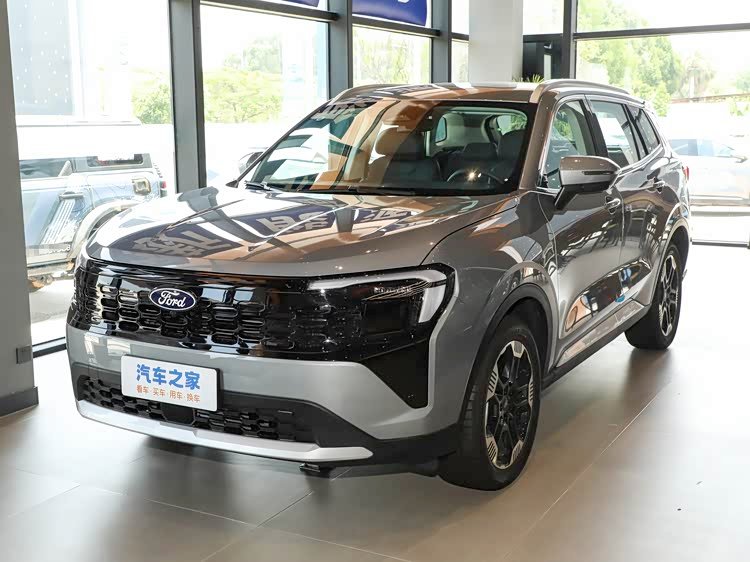
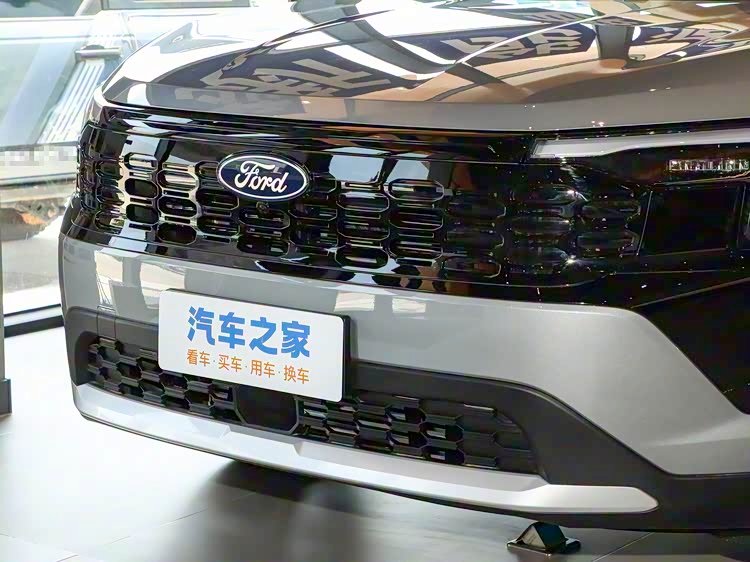
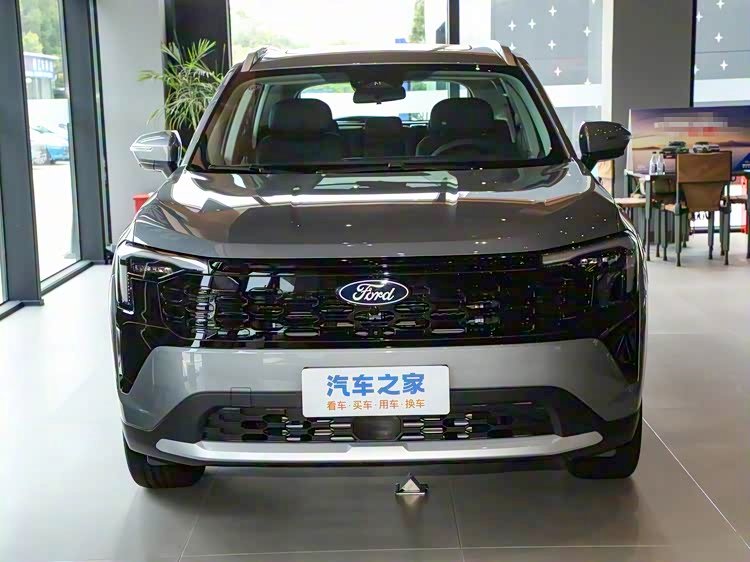
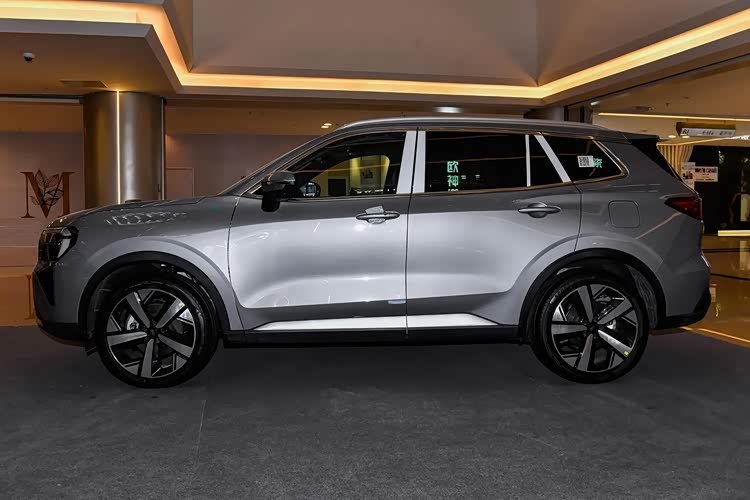
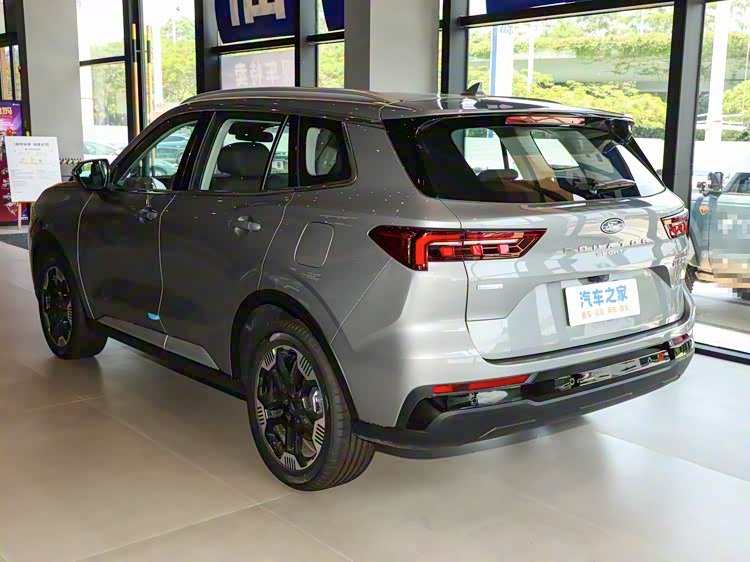
At first glance, the 2025 Equator Sport does not give the impression of an eye-catching "avant-garde" model, but rather a well-dressed, robust, and reliable partner. Its design language continues some characteristics of the Ford family. The front grille has a rather tension-filled shape, and together with the well-styled light clusters, the overall look has both the sense of power an SUV should have and a touch of refinement for urban use. In particular, its square front end and tall body posture do bring some of the "burly" feel of traditional SUVs, which may appeal greatly to a portion of consumers who like this style.
However, the core reason the Equator Sport truly wins over family users is probably not outside the car, but inside. The official "wide-body" concept has indeed translated into tangible spatial advantages in actual experience. A body width of more than 1.9 meters gives the rear row more lateral room when three adults are seated than many models in the same class, and with the rear floor being nearly flat, the comfort of the middle passenger is taken care of. For families with children, after installing a child safety seat, the seat beside it can still accommodate a person fairly comfortably, which is a very practical detail.
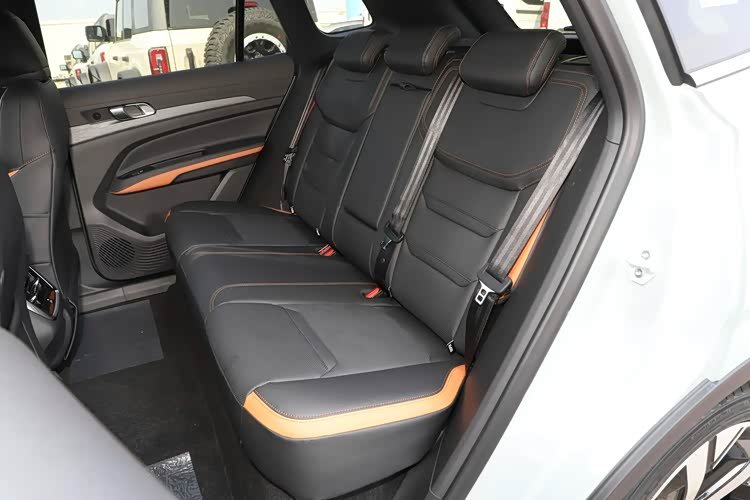
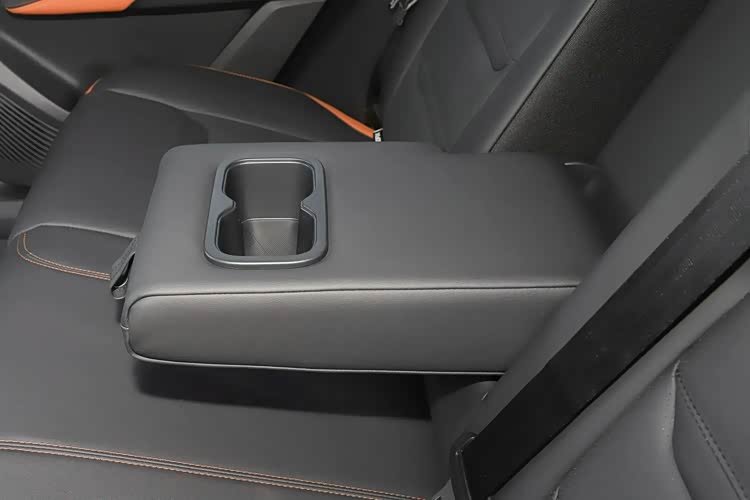
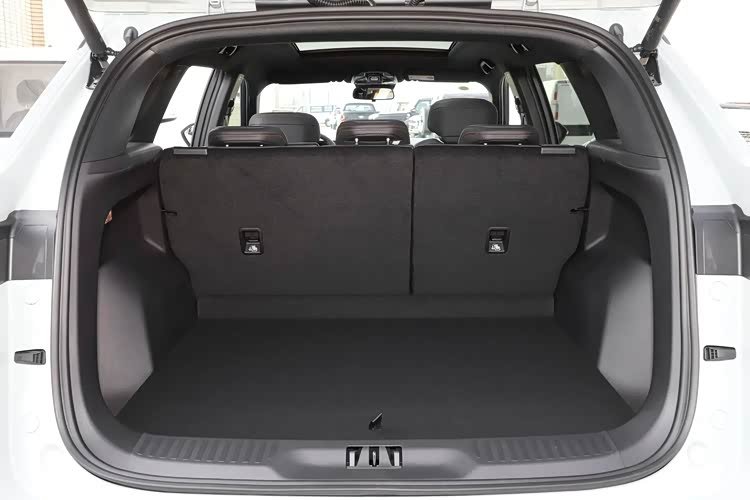
The abundance of storage space is also worth mentioning. The trunk is well organized, and its volume figure has certain advantages in the same class, sufficient for daily shopping and loading luggage for road trips. The storage compartments throughout the cabin, especially some clever designs in the door panels and armrest box, are very friendly for storing the family's cups, tissues, snacks, phones, and other miscellaneous items. It can be said that when it comes to "fitting a family's life and happiness," the Equator Sport's considerations are quite thoughtful.
Driving experience: smoothness and comfort are the main theme
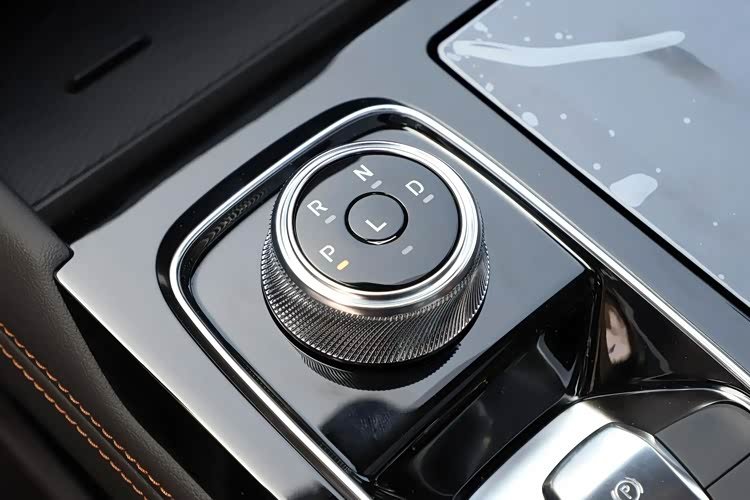
In terms of power, the 2025 Ford Equator Sport is equipped across the range with a combination of a 1.5T engine and a 7-speed wet dual-clutch transmission. The tuning style of this powertrain is very clear: everything is for comfort and smoothness. Power delivery at the start is relatively gentle and does not give that abrupt, jerky feeling, which is actually a plus for family cars that often need to deal with congested urban roads. As speed increases, the mid-range acceleration is adequate, and completing highway overtakes or acceleration maneuvers on national roads is not laborious, but you should not expect it to deliver a particularly surging push into the seatback either. Its character is steady.
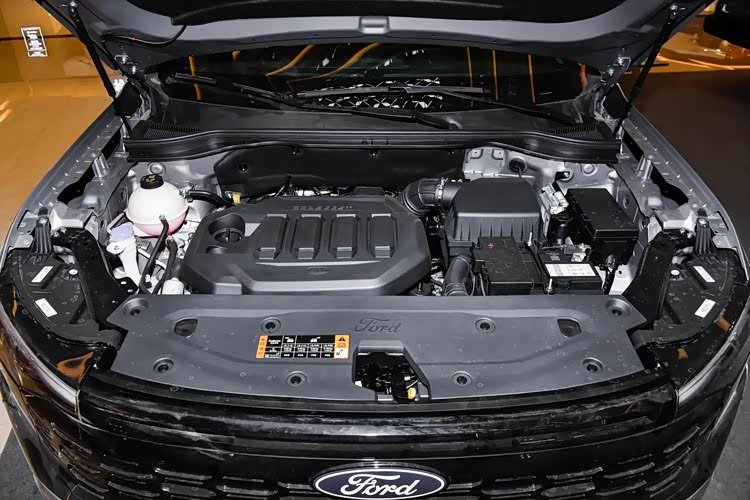
The transmission's performance deserves recognition. Most of the time, its shifts are relatively smooth, with no obvious jerkiness perceptible. Compared with some older Ford models or models in the same class using similar transmissions, the optimization for smoothness at low-speed creeping can be felt. The chassis and suspension tuning also clearly leans toward comfort. It filters small bumps on the road quite well and can cleanly absorb impacts when passing over speed bumps, retaining some of the hefty, solid feel of American cars' chassis. Of course, if you pass over continuous bumpy roads at a relatively high speed, rear passengers may feel some extra swaying, but considering its family-oriented positioning and price range, such performance is within an acceptable range.
Intelligence and safety: keeping up with the mainstream pace
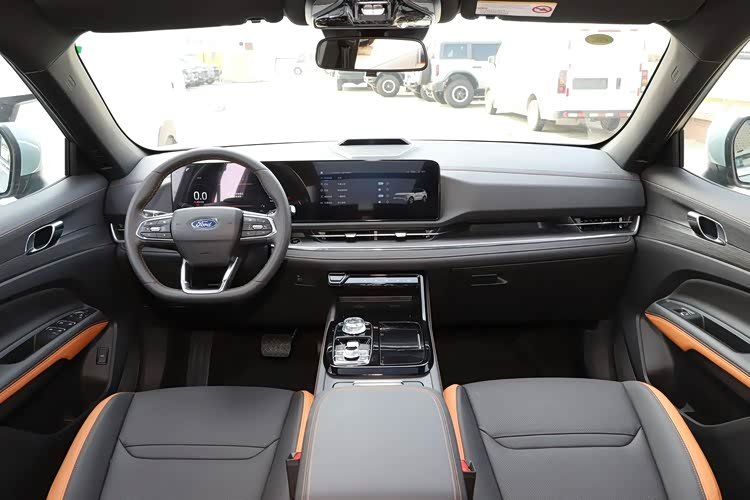
Stepping into the cabin, the dual 12.3-inch large connected screens are the visual focus of the entire cockpit, which has already become a common method for new cars today to enhance their sense of technology. In actual experience, this infotainment system is quite smooth, thanks in part to mainstream chips. The built-in functions are mainly based on Tencent's ecosystem, supporting voice control, online navigation, entertainment, and other features, with no problem meeting daily use needs. The accuracy and response speed of voice recognition show obvious progress compared with Ford's infotainment systems from a few years ago, reaching the level that current mainstream joint-venture models should have.
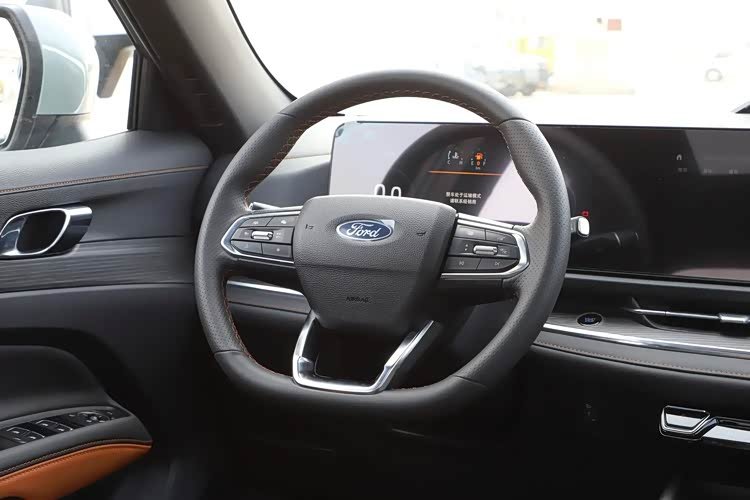
In terms of driver assistance, the functions offered by mid- and high-level trims are relatively comprehensive, including full-speed-range adaptive cruise control, lane-keeping assist, active braking, and so on, achieving the currently common L2-level driver assistance capability. Under highway conditions, these functions can effectively reduce driver fatigue. Of course, it should be reminded that these systems all play an "assistive" role, and we still need to stay attentive while driving. In terms of safety configurations, from the high-strength steel body structure to the standard multiple airbags, and then to the panoramic camera and fatigue reminder on mid- and high-level trims, the Equator Sport has made corresponding investments in both "visible" and "invisible" places, which is an important guarantee of peace of mind for family users.
Is it actually worth buying?
After some experience, let us return to the original question: is the Ford Equator Sport worth considering? This depends on your specific needs.
If you are a consumer pursuing intense driving pleasure and longing for the most cutting-edge technological experience, then the Equator Sport may not be your cup of tea, as its character leans toward gentleness and pragmatism. But if your core demand for buying a car is to find an SUV for a family that is spacious, comfortable to ride in, has a relatively solid brand reputation, reasonable ownership costs, and a purchase budget you hope to keep within a fairly pragmatic range, then the Equator Sport is indeed an option worth putting on your shortlist.
Its advantage lies in offering the core value of a joint-venture mid-size SUV at a relatively accessible price, namely spacious room and good ride comfort, while keeping up with the mainstream pace in intelligent and safety configurations, with no obvious shortcomings. In comparison with joint-venture models in the same class, its price and space utilization have fairly distinct characteristics. Ford's brand heritage and its nationwide after-sales network are also factors some consumers value.
In summary, the 2025 Ford Equator Sport does not try to become an "all-rounder," but clearly positions itself as a "competent family member." It may not use high-end technical jargon, but in those basic needs that family users care about most, it does a fairly solid job. As for the question "Is Ford still okay?", the answer the Equator Sport gives is not flashy showmanship, but a return to fundamentals, winning consumers with real product strength and pragmatic pricing. In a fiercely competitive market, this is not a bad smart and effective strategy.


