The Galaxy Warship 700 was launched, and 12 minutes later, the official announcement said firm orders had surpassed 10,000 units, with a limited-time refreshed price starting at 169,800 yuan. The price is indeed aggressive, but among its competitors, who should be the most nervous?
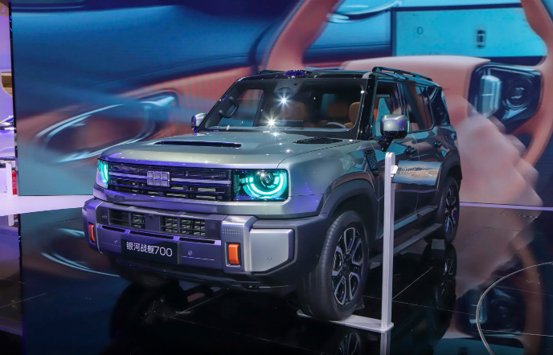
First, let's look at the product strength of the Galaxy Warship 700. On October 10, Geely's first new energy hardcore SUV, the Galaxy Warship 700, was launched in Hangzhou, with a guide price of 189,800 to 379,800 yuan, a total of 6 models, and a limited-time refreshed price starting at 169,800 yuan.
But the entry-level version at 169,800 yuan does not come with the Qianli Haohan H5 advanced driver assistance system, and only supports cruise control and a 360-degree panoramic camera. It is not even L2.
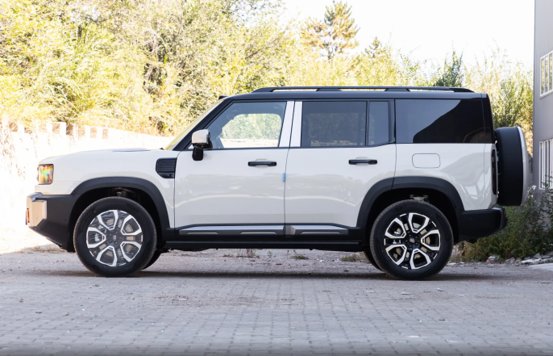
At the same time, in terms of off-road capability, the official core parameters are: approach angle 30°, departure angle 31°, wading depth 800 mm, and the 2.0T version accelerates from 0 to 100 km/h in 3.95 seconds.
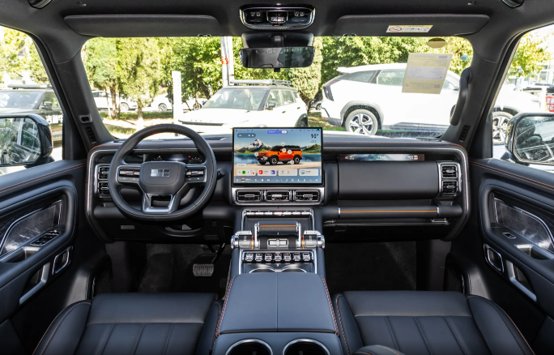
But a closer look at the parameter table shows that the advertised 30° approach angle, 31° departure angle, and 800 mm wading depth are all data for high-end models; for the entry-level version, the departure angle is only 27°, and the wading depth is 600 mm.

On the chassis, the GTA architecture's "integrated ladder frame" is essentially embedding the frame into a unibody body, which is not the same thing as the body-on-frame ladder frame of the Tank 400 and Fangchengbao Bao 5. It is fine for city commuting, but for off-roading, it still falls short.

Looking next at the rivals it targets, before and after launch, netizens have been comparing the Galaxy Warship 700 with the Fangchengbao Tai 7. But the Tai 7's current focus has already shifted to pure electric: the Tai 7 EV fast-charging version starts at 199,800 yuan, with two versions offering 675 km and 755 km of pure electric range, equipped with the second-generation blade battery and fast-charging technology, adding 400 kilometers of range in 5 minutes.
The Galaxy Warship 700 is a plug-in hybrid across the entire lineup, with a maximum pure electric range of 305 km, so the two models are basically not in the same lane.
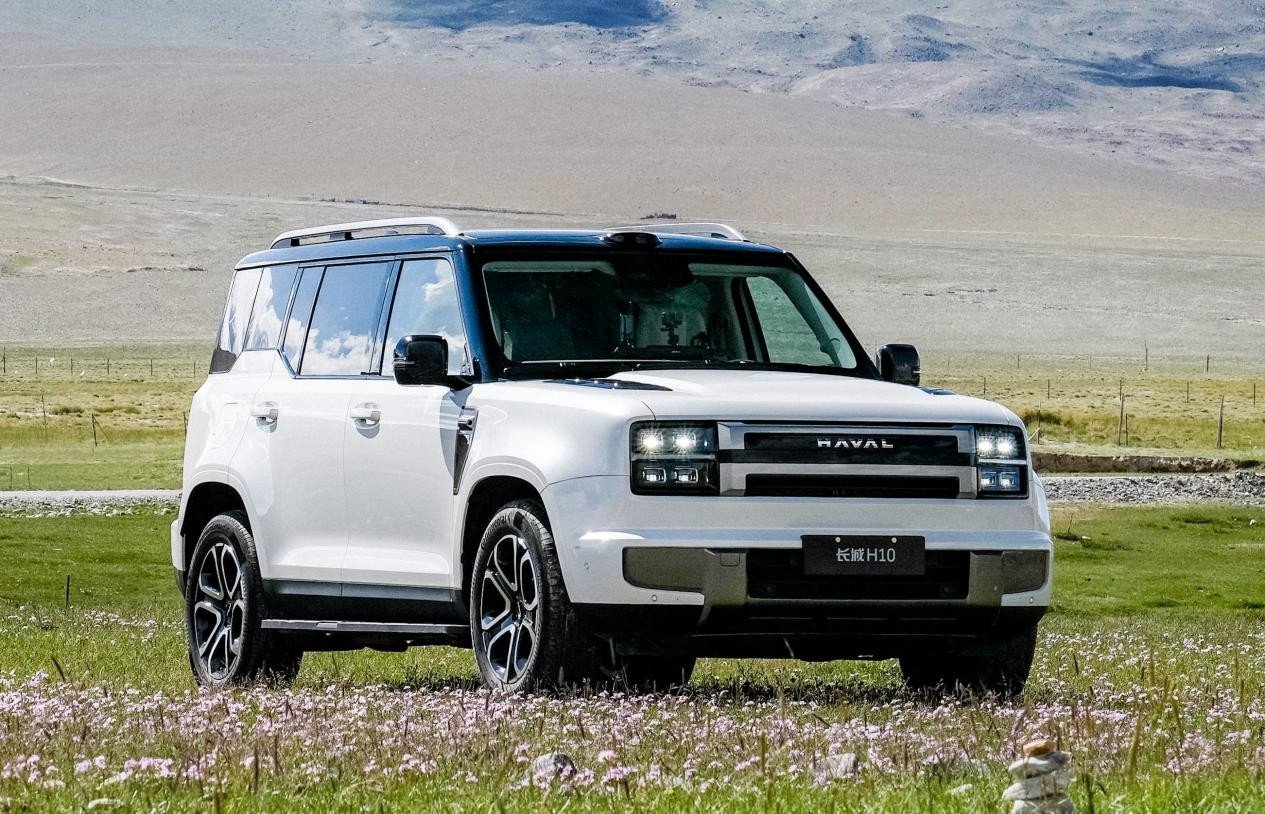
The one that will really be affected is instead the Great Wall H10: starting at 209,800 yuan, with a limited-time trade-in price of 201,800 yuan, a 1.5T Hi4 plug-in hybrid, offering both large five-seat and large six-seat layouts, positioned as a "big-family boxy SUV," with 31,826 firm orders in 24 hours after launch.
The Galaxy Warship 700's starting price of 169,800 yuan directly falls into the H10's main sales price band - also a plug-in hybrid boxy SUV, it adds an off-road label and is more than 30,000 yuan cheaper. The Tai 7 was not shaken, but the Great Wall H10 is feeling the pain first.
Writing at the end
To put it plainly, the Galaxy Warship 700 raises the banner of targeting the Tai 7, but what it actually hits is the Great Wall H10's rice bowl. 10,000 firm orders in 12 minutes is a marketing victory; but how its real product strength performs still has to wait until the first batch of owners drives it on rough roads to be known.


