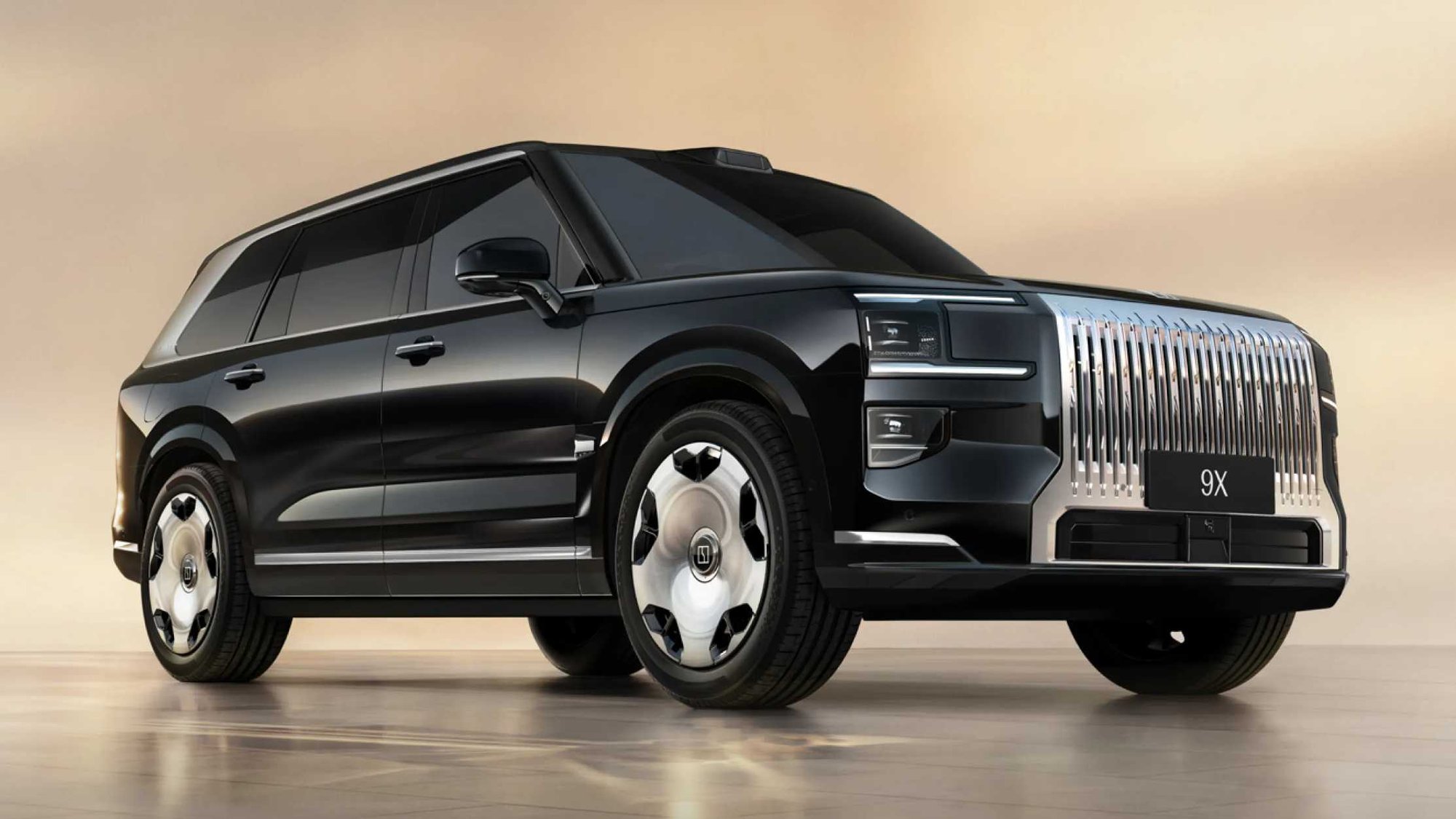

The Zeekr 9X is the most strategically significant flagship SUV in China's auto market for 2025-2026. With an average transaction price exceeding 530,000 yuan, it captured nearly 30% of the large SUV market above 500,000 yuan, with cumulative deliveries surpassing 50,000 units—a scorecard no Chinese brand had ever reached before. But beneath the halo, the challenges facing the Zeekr 9X are equally sharp. Its success was largely built on the dividend window of "technological generation gap," and that window is narrowing at a visible pace.
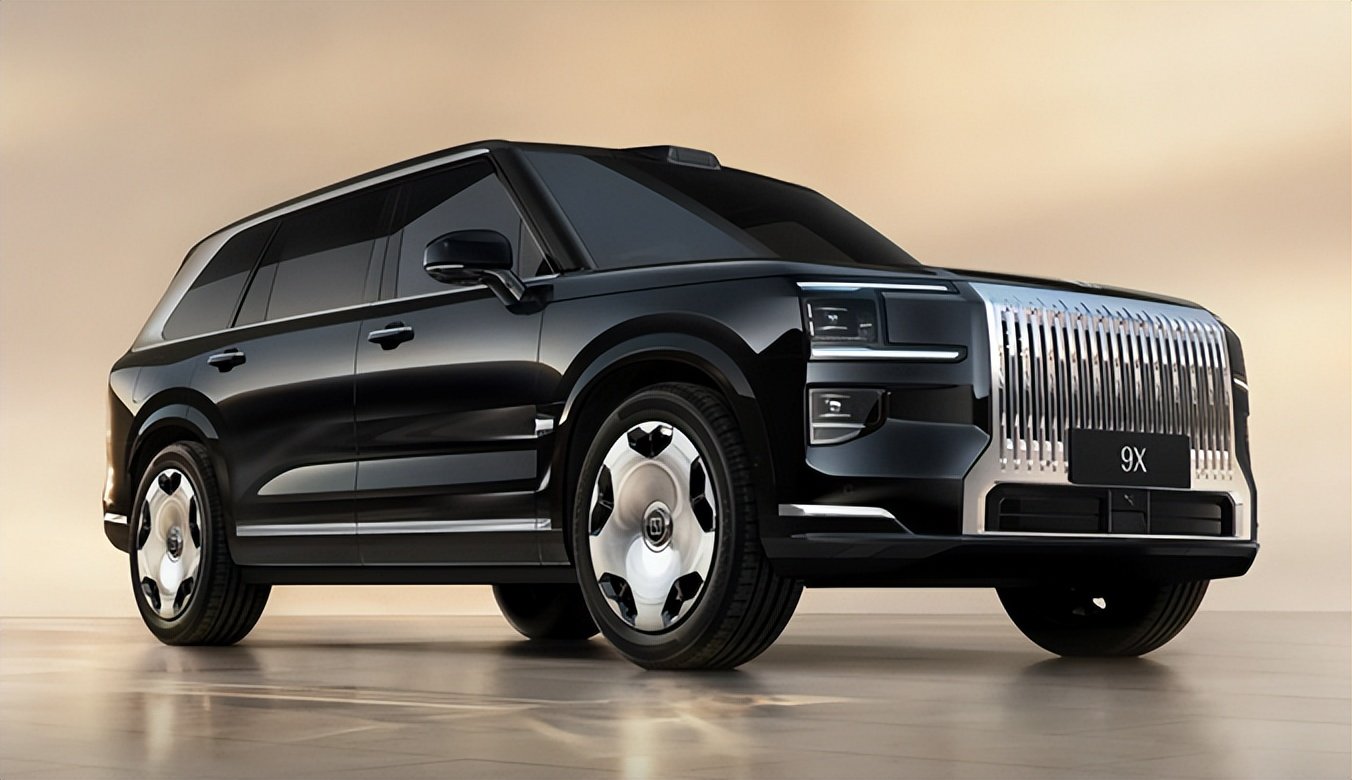
Core Highlights: Rewriting Luxury Rules Through Experience Parity
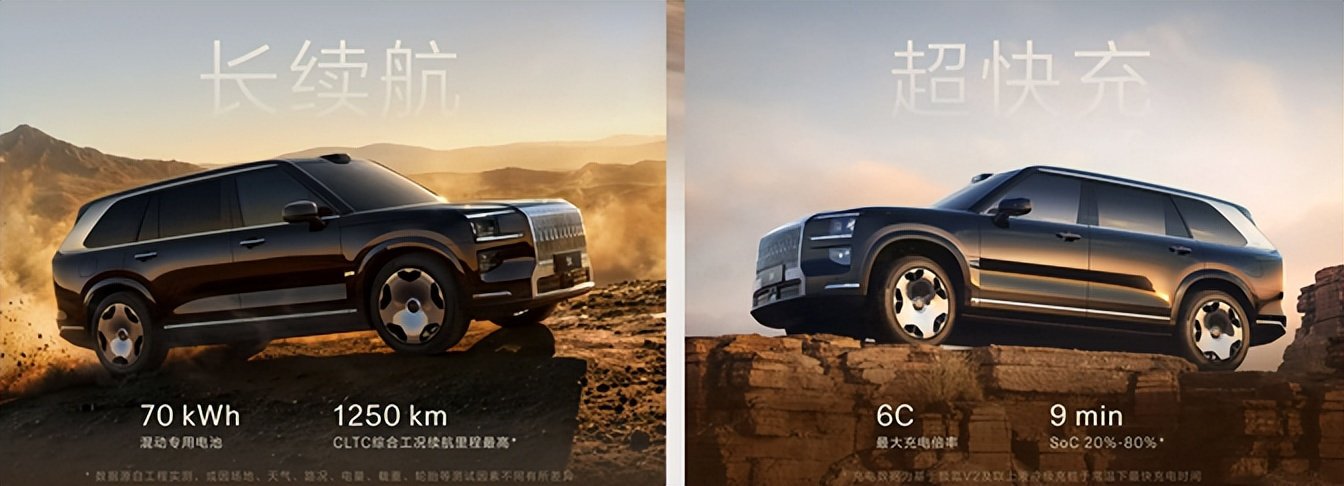
The powertrain directly addresses the ultimate pain point of new energy vehicles. The Zeekr 9X is the world's first to feature a tri-motor megawatt-level hybrid electric drive system, with a combined output of 1,030 kW, propelling this full-size SUV from 0 to 100 km/h in 3.1 seconds. But the greatest barrier of this system is not peak figures—it's full-condition consistency. Under depleted battery conditions, acceleration is only 0.2 seconds slower than at full charge, completely tearing off the hybrid label of "dragon at full charge, worm at low charge." Paired with a full-stack 900V high-voltage platform and 6C ultra-fast charging, it completes a 20% to 80% charge in 9 minutes, and the 380 km pure electric range is enough to cover daily commuting. This powertrain architecture solves not just a performance problem, but a trust problem.
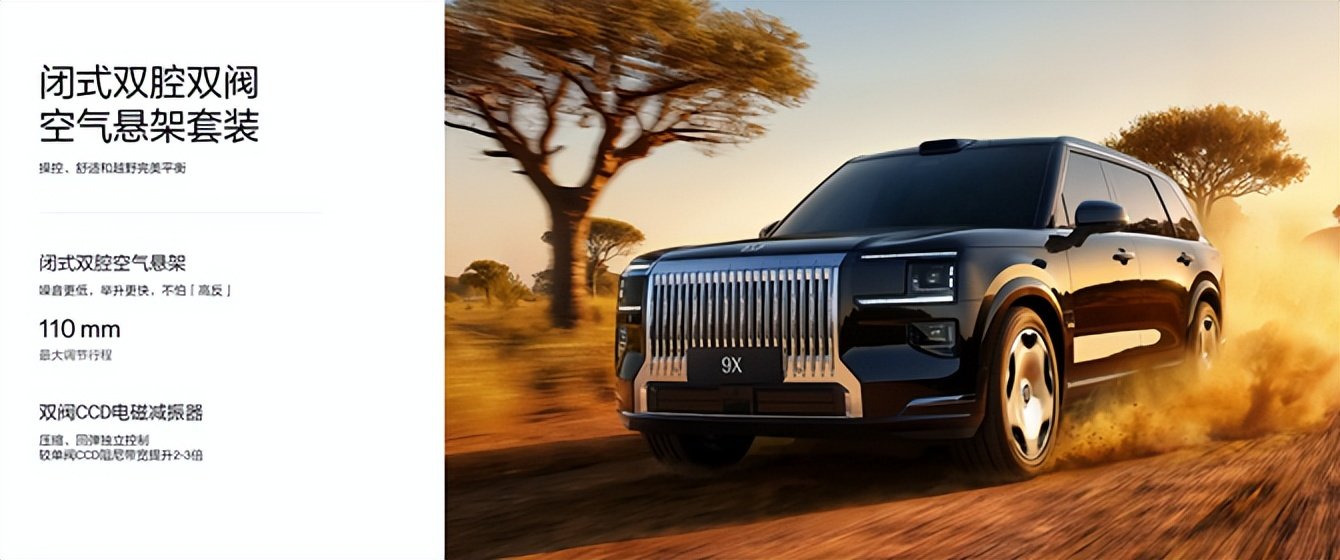
The chassis transcends technological tiers. Standard across all trims are closed-loop dual-chamber air suspension, CCD electromagnetic dampers, and it is the first to feature a 48V active stabilizer bar that completes an 80mm lift within 0.2 seconds, significantly suppressing pitch and roll in large SUVs. The AI digital chassis connects perception and execution, capable of predicting road conditions in advance and adjusting suspension parameters. The value of this setup isn't on the spec sheet—it's in the real experience of third-row passengers no longer getting carsick.
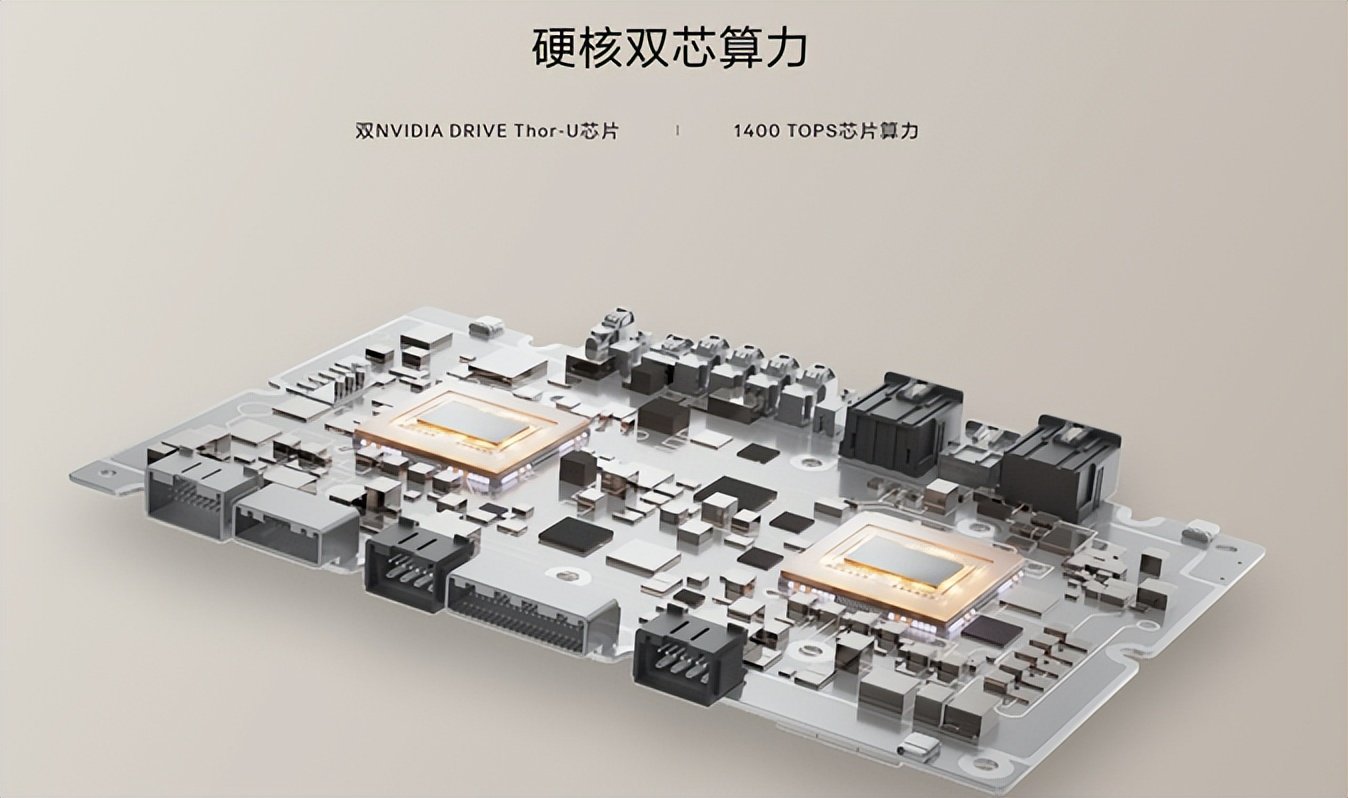
Intelligent driving hardware bets on long-termism. The H9 solution carries dual NVIDIA Thor chips and 5 lidar units, with 1,400 TOPS of computing power, reserving ample room for L3 evolution. The cabin integrates the DeepSeek AI large model—scenario-based capabilities like automatically adjusting air conditioning and audio when a child coughs are beginning to move smart cabins from "obedient" to "understanding."
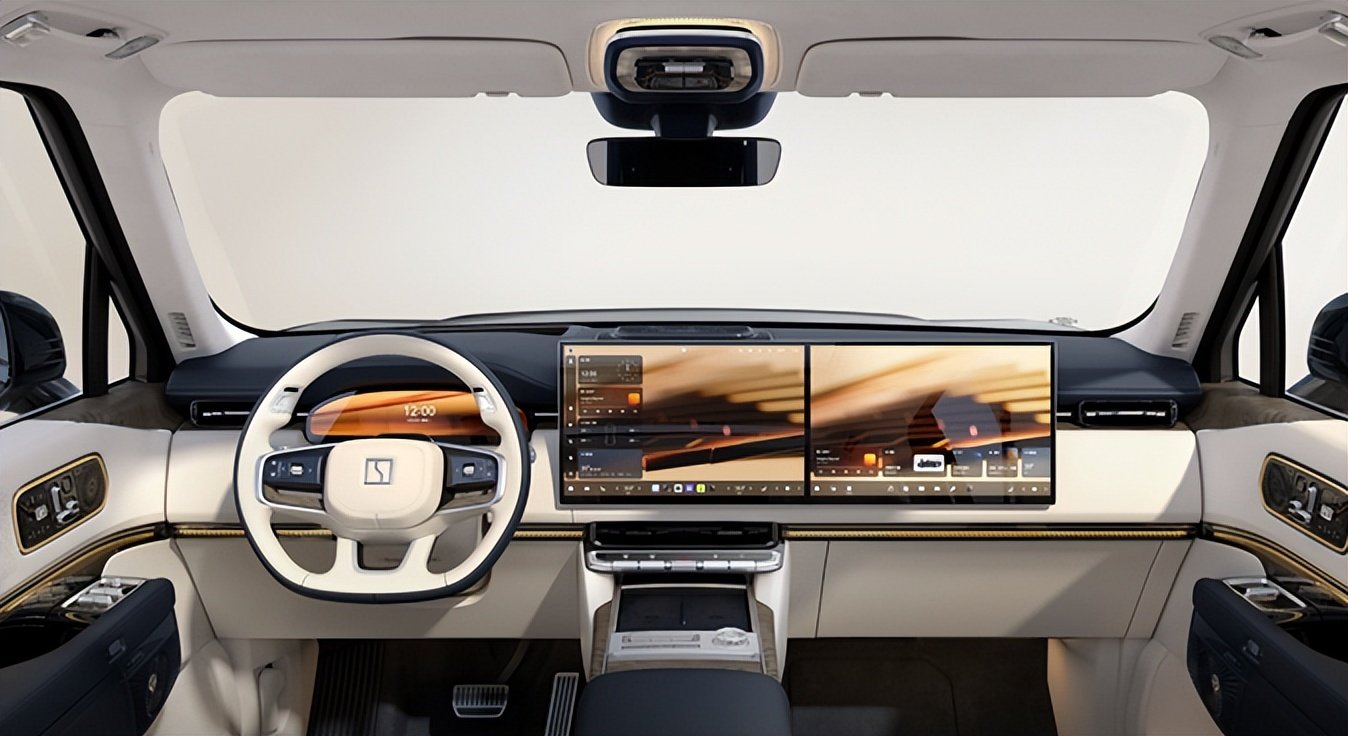
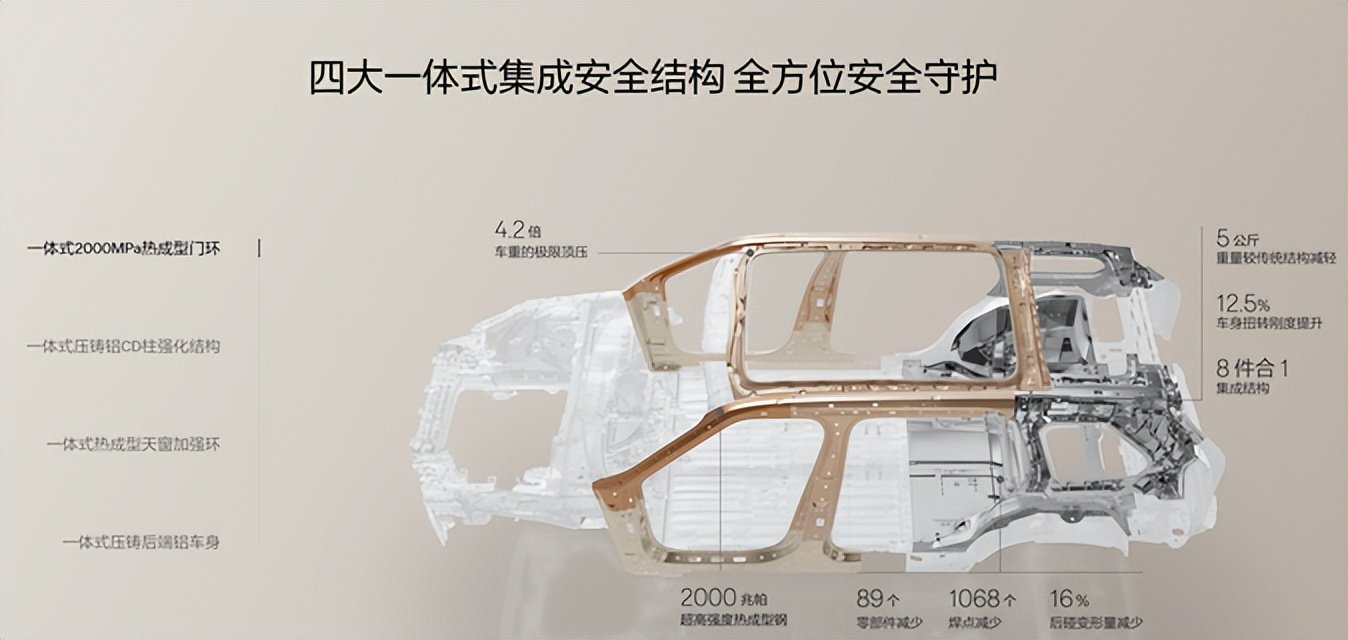
Safety is defined without compromise. The body uses 91% high-strength steel and aluminum alloy, with a torsional rigidity of 41,600 N·m/deg. It is the first to feature G-AES general obstacle automatic emergency steering assist, achieving dynamic obstacle avoidance within the 80-130 km/h range. These investments are the hard currency that is "invisible day-to-day but life-saving at critical moments."
Weaknesses and Concerns: The Window of Technological Generation Gap Is Closing
The technology moat is not insurmountable. Competitors are accelerating their pursuit in lidar count and active chassis domains, and leading brands' intelligent driving algorithm iteration speeds are extremely fast. Zeekr's urban NOA as of April 2026 still only covers major tier-1 and tier-2 cities, with software deployment pace clearly lagging behind hardware pre-installation. When competitors define intelligent driving experience through algorithms rather than hardware stacking, the Zeekr 9X's hardware advantage window may be only 12-18 months.
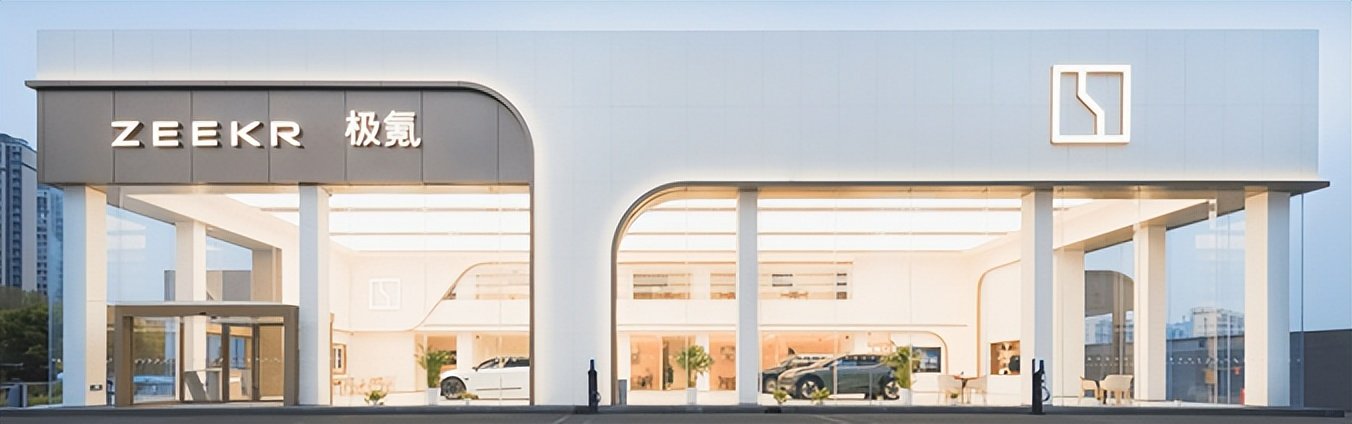
There is a gap in service and delivery system capabilities. Zeekr enjoys a high-net-worth user trade-in and upgrade ratio that traditional luxury brands envy, but in after-sales response speed, the gap between high-tier cities and tier-3/tier-4 cities is pronounced. During early deliveries, chaotic order scheduling triggered a user reputation crisis, and long wait times for parts are a high-frequency complaint area. In the 500,000+ market, one bad service experience is enough to destroy the trust accumulated from three positive reviews.
Detail refinement has not yet reached the "imperceptible" standard of luxury brands. Occasional infotainment lag, the EVA voice assistant not being smart enough, questionable logic stability of electric doors over long-term use, and significantly reduced pure electric range in severe cold environments—these are not fatal flaws, but at a price point where users scrutinize with a magnifying glass, every tiny "rough edge" erodes brand premium.
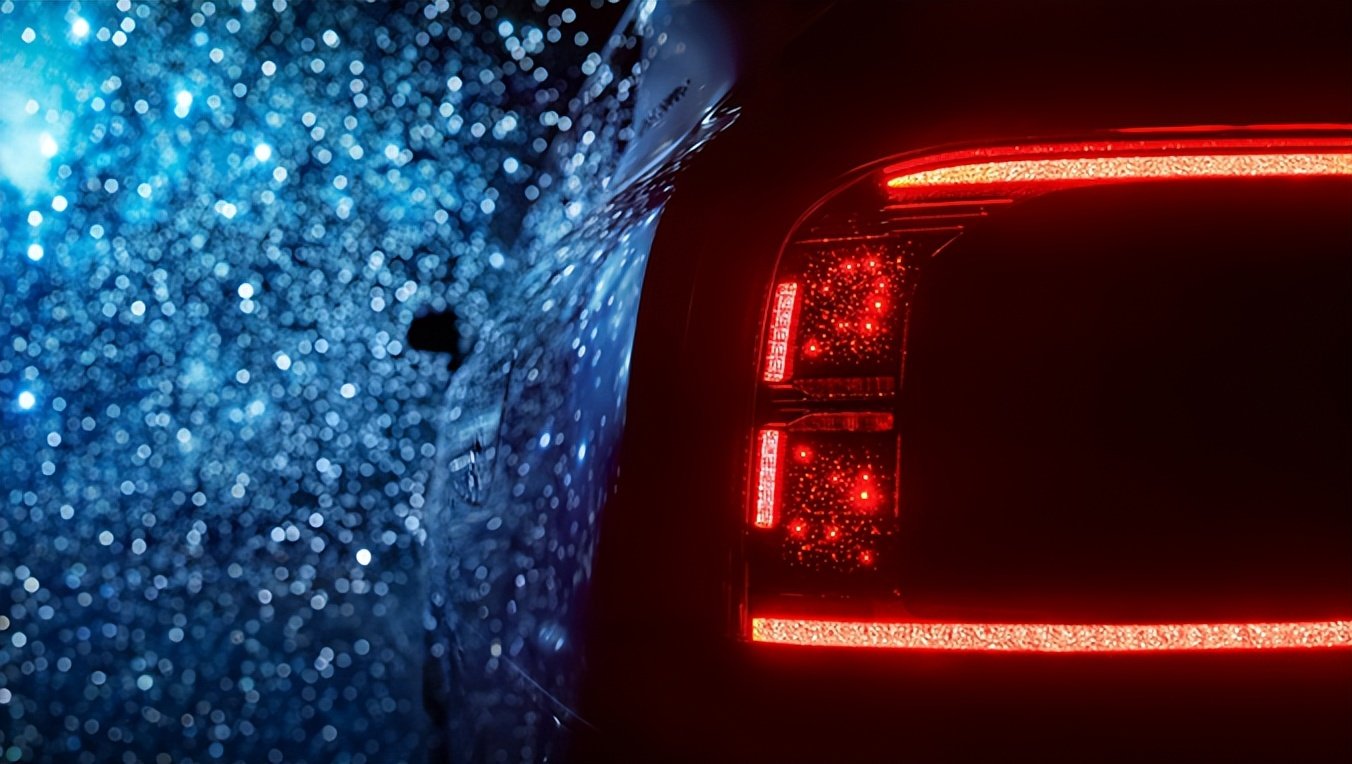
The brand label is still not sharp enough. Zeekr has established its technology-side label, but this perception has not yet translated into a value proposition in consumers' minds that can be "instantly understood in one sentence." When a brand's technological advantage can be clearly expressed through specs on a showroom floor but struggles to form emotional memory the moment a user sits in the car, there remains a gap in its brand moat in the high-end market.
Brand and Marketing: Word-of-Mouth-Driven Is a Double-Edged Sword
There is a near-consensus judgment within Zeekr: marketing expenses are minimal, and orders convert through word of mouth on their own. Early model users contributed a considerable referral rate, and during the 9X presale period, a large number of orders came from existing owners trading up or upgrading and from friends and family recommendations. This "experience-word of mouth-sales" closed loop is extremely efficient, but it has a precondition—the cost of product problems is amplified simultaneously.

When the Zeekr 001 faced widespread rights protection actions due to infotainment lag, it was precisely this group of highly loyal owners who erupted with the fiercest backlash. The speed of word-of-mouth fission is symmetrical in both positive and negative directions. Zeekr's marketing communication leans more toward technical parameters and performance expression, while its narrative refinement of products in family scenarios and emotional connection is relatively insufficient compared to competitors. There is still clear room for improvement in social media discussion volume and user community operations.
Market Expectations: The First Half Is Won, the Second Half Has Just Begun
In the short term, the Zeekr 9X's leading position is expected to continue. The 50,000+ installed base is forming a genuine word-of-mouth user pool, and the demonstration effect of high-net-worth trade-in and upgrade users will continue to ferment. As the derivative product matrix expands, Zeekr's brand moat in the 300,000-600,000 price band will further thicken.
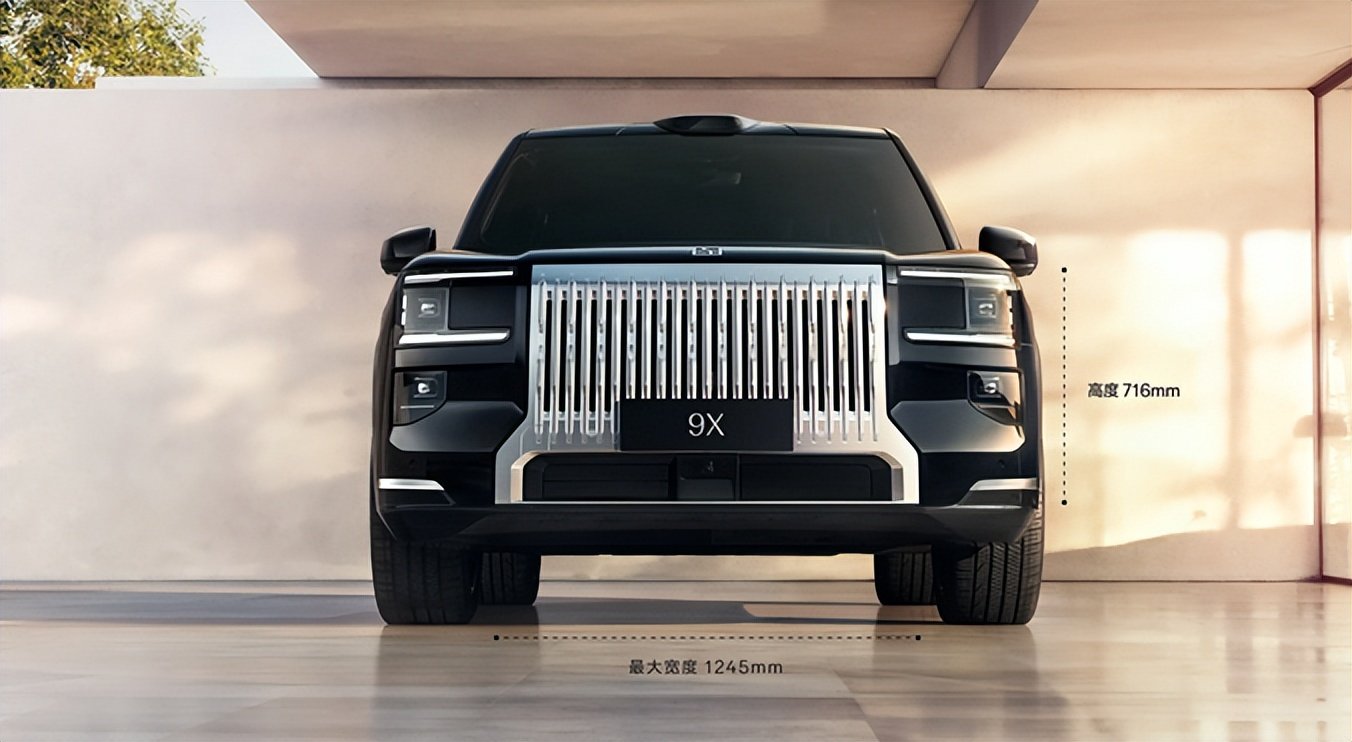
But the medium-to-long-term test is more severe. A considerable portion of the Zeekr 9X's success comes from "window period dividends"—at a moment when traditional luxury brands are slow to electrify and leading tech companies have not yet fully committed, it was first to launch a product with over-spec technology. When competitors complete equivalent or even higher-spec technology layouts, when "leading on the spec sheet" is no longer a barrier, Zeekr needs to prove it can also achieve industry-top levels in brand premium, service experience, and user community building.
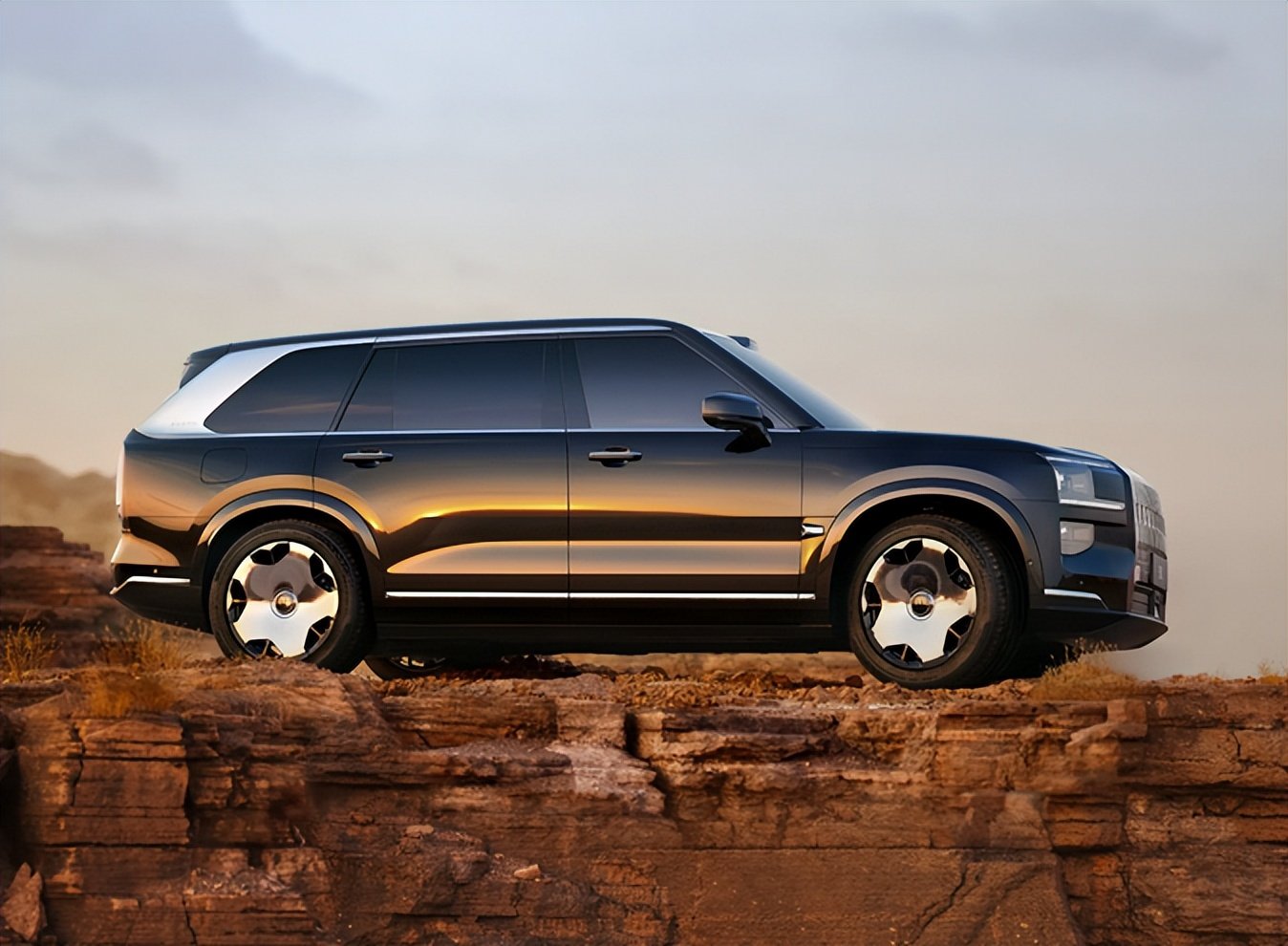
This is the true luxury ultimate test: before the endgame of the technology arms race arrives, precipitate a "hit product" into a "long-term brand." No Chinese brand has truly completed this leap yet.
Comprehensive Assessment:
The Zeekr 9X is a product that redefines luxury rules through technological experience. Tri-motor megawatt-level hybrid, full-condition performance consistency, 48V active stabilizer bar, dual Thor chips + 5 lidar units—looking purely at hard power, it has indeed reached a height in the 500,000+ price segment that Chinese brands had never attained before. What is even more commendable is that it proved a key fact with a BBA trade-in and upgrade ratio exceeding 80%: the user loyalty of traditional luxury brands is not monolithic, and truly good products can break through the barriers of brand inertia.
However, competition in the high-end market has never been just a contest of spec sheets. Half of the Zeekr 9X's depth is written in its hardware configuration, perceptible the moment you sit inside; the other half is hidden in long-term reliability, the humanization of service response, and the continuous accumulation of brand perception—these require time to verify.


